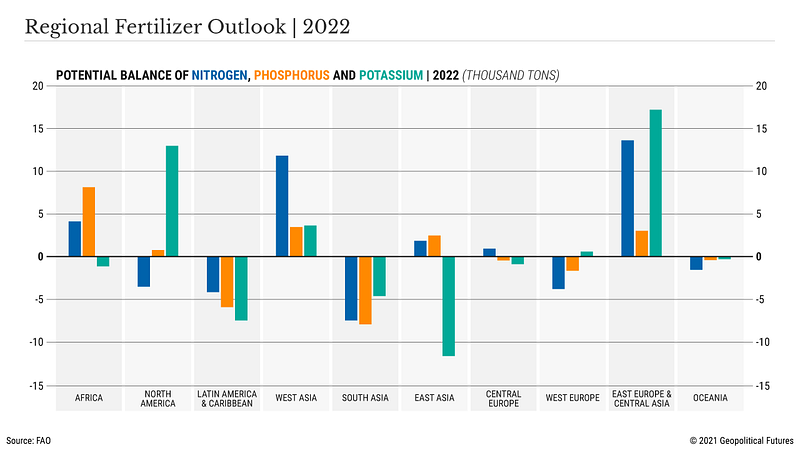
The Concept of Fertilizer Diplomacy
On May 3, 2022, Brazil announced that the government was taking a trip to North Africa for the purpose of engaging Jordan, Egypt and Morocco for “Fertilizer Diplomacy.”
This diplomatic engagement underscores the issues that Brazil is facing in securing fertilizer imports during the conflict with Russia and Ukraine.
Moreover, because Russia is one of the world’s largest fertilizer exporters, Brazil has doubled down on its efforts to implement a new fertilizer strategy, which was unveiled by President Bolsarno earlier this year.
Brazil’s National Fertilizer Plan even proposes to mine potash from underground reserves in the Amazon Rainforest.
What is Fertilizer Diplomacy?
This concept has reshaped the whole narrative of the global fertilizer industry. It implies that the fertilizer markets have become susceptible to geopolitical forces. Perhaps because the world is facing an unprecendented food crisis, but mainly because of renewed conflict over geopolitics and military strategy, as evidenced by Russia and Belarus — Belarus is one of the world’s largest potash producers — and how the countries have used their influence over fertilizer supply to increase political leverage.
Read more about the importance of potash and the current global fertilizer industry dynamics with this story about Canada’s Nutrien Ltd.’s CEO transition: https://readmedium.com/what-went-down-at-the-worlds-largest-potash-producer-nutrien-ltd-c174d19e403d
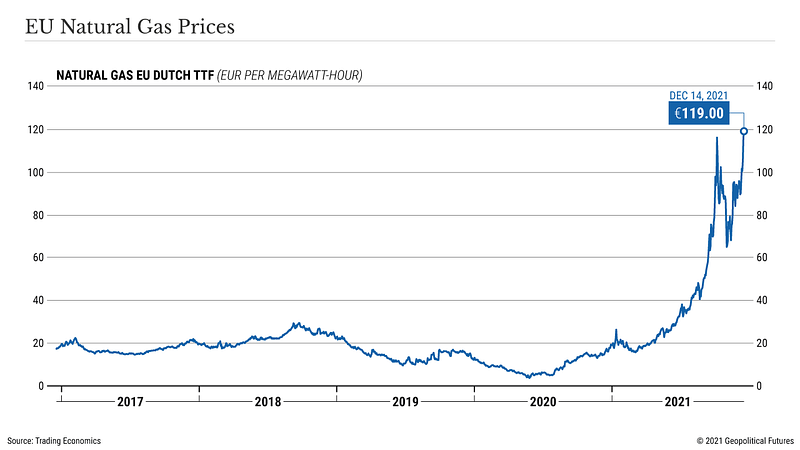
In fact, the concept of “Fertilizer Diplomacy” originated around the time that Russia began initiating countermeasures against Europe for the Nord Stream 2 pipeline. This occurred under the backdrop of extremely high natural gas prices due to the Covid-19 pandemic, hitting the European Union (EU) market extremely hard.
But in 2020, analysts claim that Russia’s fertilizer production of mineral fertilizers grew at a rate of 5% hitting approximately 54.8 million tons. By comparison, the world average grew at arond 2% in 2020.
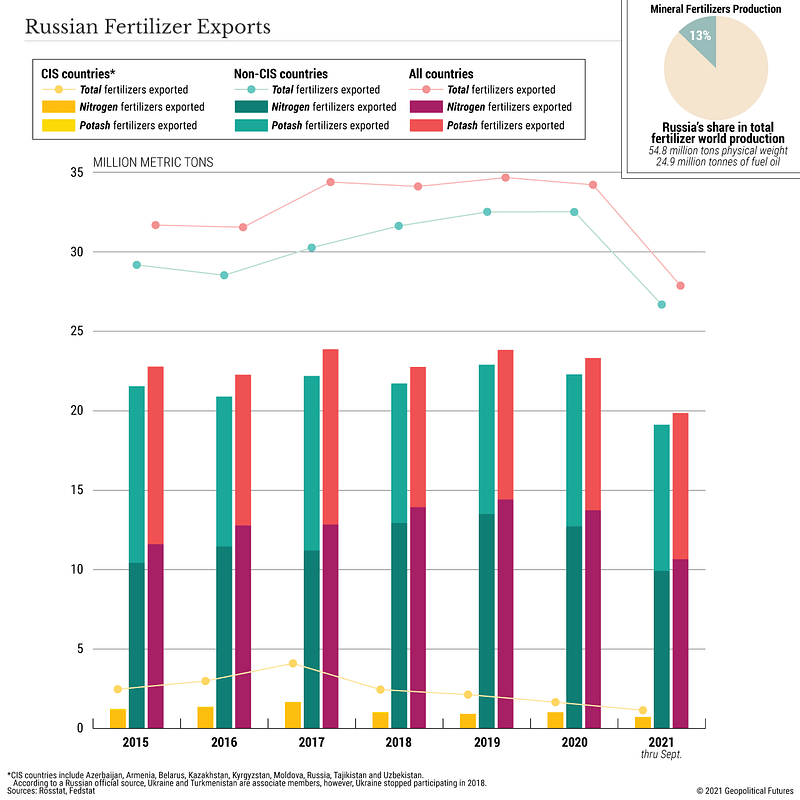
The truth is that this “Fertilizer Diplomacy” seems to be unraveling during the worst times of this century — global pandemic, food crisis, inflation, war.
And yet, the governments of the world are already conceptualizing critical global commodities as way to engage in diplomacy. This adds a geopolitical factor to any country’s supply and production targets. As the dimensions of political leverage grow in their favor, they would continue to use fertilizer as a way to influence important political decisions.
On the other hand, when fertilizer prices subside, “Fertilizer Diplomacy” could contribute to the health of global economic recovery and help alleviate the global food crisis. Africa is a case in point, as Morocco seeks to lead the way as Africa’s main supplier to increase agricultural productivity and modernity. This would be a major boon to Africa’s growth and development.