
The Concept of Buy Now and Pay Later Is Spoiling Us
Are we all collecting things that we don’t need?
There is a saying in Hindi (an Indian language) that says:
“You should stretch your legs as much as your blanket can fit” (Jitni chadar ho utne hi pair failao)
This means we should not buy things that we cannot afford. But consumerism tempts us to buy more and more and that too NOW!
Data released by the Reserve Bank of Australia showed that in November 2020, balances accruing interest on personal credit cards grew by $241.7 million to $19.96 billion.
With the pandemic, we saw a decline. However, we are back on track to bump up the debt.
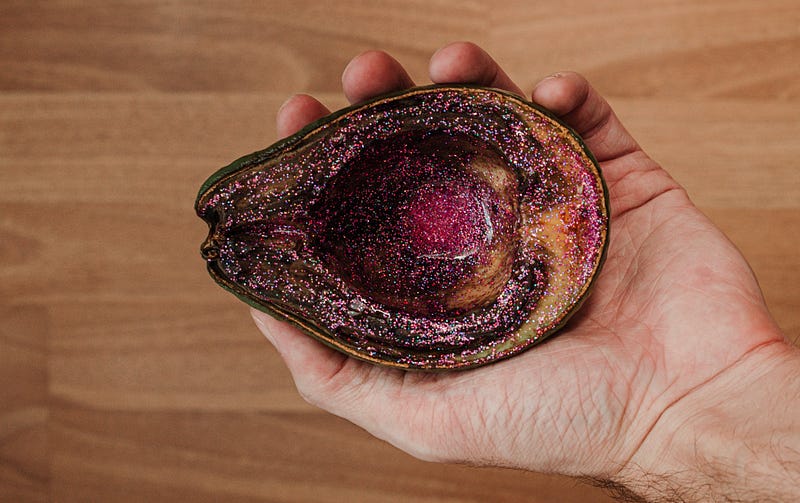
We have all started living 2 lives — one life to show off on social media that is full of things mostly bought on credit and the other life which is in rugs, depressed, and full of issues. Do we really need to lead 2 lives?
We are getting houses more enormous than we require, we own much more clothes, smart devices and shoes than we need, we own more expensive cars than we can afford. We are constantly failing to ask a question to ourselves: Can I really afford to have it?
So when did this craziness start? When I was growing up (which was not long ago), asking for credit was considered an “underprivilege”, and to an extent a shameful act. However, over the past few decades, reliance on credit cards and loans has increased significantly.
Life’s sole purpose for most people is getting their mortgages and credit card bills paid.
That’s the reason we are surrounded by so many unhappy and depressed people who are well-dressed, wearing branded smartwatches and carrying the latest smartphones.
I understand and totally agree that in some cases, getting credit can bail you out of difficult times. For e.g., health issues or education. But does buying an expensive game on credit make any sense?
If you want your life back on track, use “the buy now, pay later” option with utmost care. Especially while buying depreciating assets.
Tell this to yourself every day after you wake up.
- No, I don’t need the latest smartphone.
- No, I don’t need the latest smart watch.
- No, I don’t need a bigger house.
- No, I don’t need a new dress.
- No, I don’t need a new car.
- Yes, I need to learn a new skill.
- Yes, I need to become an expert in one skill.
- Yes, I need to save before I spend.
- Yes, I need to research on how to invest my savings.
- Yes, I need to take care of my health.
Shout out to these amazing writers:


