
The Circular Battery Economy
Can We One Day Create A Closed-Loop Circular Battery Economy?

Bitesize Edition
- A vital aspect of the future of our planet will involve how well we can reuse our finite resources. Before we blast off to the stars to mine asteroids and other space bodies, we need to focus on what we currently have.
- If we use more than we produce, one day, if nothing changes, we will experience a scarcity of such resources. That is unless we can reuse the commodities that are no longer being productively used. We need to build a circular economy. Today, I’ll specifically explore the circular battery economy.
Introduction
Ouroboros, the snake that devours its own tail, is an Ancient Greek symbol depicting the inevitability of certain cycles that continue perpetually.
There exist finite resources here on Earth. We are living in the scenario where Ouroboros devours himself, and there exists nothing. Could we help delay this by instead slowing the progress of Ouroboros’ devouring?
We need to reuse and recycle the vital finite resources we have here on Earth, so we don’t eat our own tails.

What Is The Circular Battery Economy?
The circular battery economy, like Ouroboros eating its own tail, is a cycle of reutilising and reusing vital resources in the electrification and clean energy transition, specifically electric vehicles. This will enable us to decrease reliance on current mining production. I specified in the forecast of lithium production pieces that the issue isn’t having enough lithium on Earth but getting it out of the ground quickly enough to utilize. The circular battery economy will help against this issue, as well as trade issues such as supply chain disruption and geopolitics.
The end goal here would be a closed-loop system where materials are continuously recycled. This is difficult due to losses and inefficiencies existing in recycling processes. Certain materials are always lost during recycling. So, our aim should be to support current mining practices as much as possible and to reduce strain on the speed at which we need to mine these vital commodities for the clean energy transition.
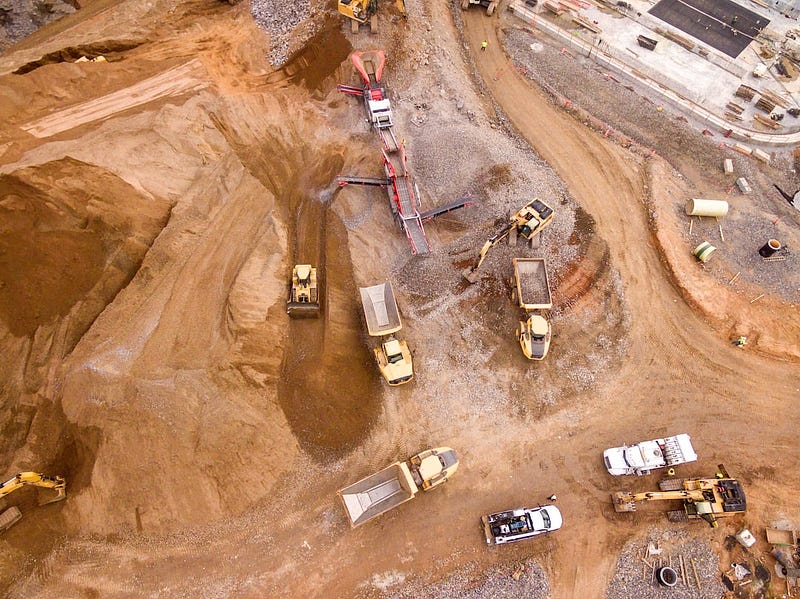
Repair/Reuse vs Repurpose (Energy Storage Systems) vs Recycle
- Repair/Reuse — When lithium batteries specifically used in electric vehicles are no longer performing as required, we can repair them for use in EVs again. If these batteries have a reduced capacity, they can be reused in smaller EVs or electric bicycles with less demanding uses.
- Repurpose — If the EV batteries are no longer suitable for use in EVs, we can reuse them in alternative applications. For example, we will need energy storage capabilities in the future. Lithium batteries could help provide energy storage for intermittent renewables.
- Recycle — In the recycling process, batteries are mechanically shredded down to a powder. It’s from this that the raw materials can be extracted. These can create new batteries for EVs and alternative uses.
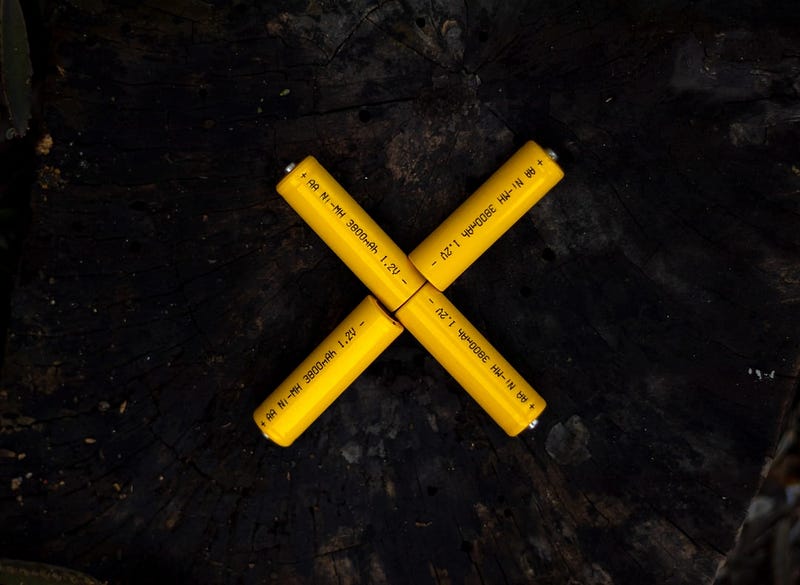
Regulation And Policy — What We Need
It’s a carefully trodden line between ensuring the quality control of these recovered or reused materials. If we set the bar too high, we won’t repurpose enough raw materials to make a dent in the strain felt by current mining output. If we set the bar too low, we risk certain standards not being met in repurposed lithium, leading to potential risks such as explosions or fire. Also, these faulty batteries could naturally run at a lower level of performance, such as shorter battery life or reduced storage capacity.
Here are some policies and regulations all states should be pursuing:
- Collection and Recycling Programs: Here in the UK, we have our own recycling processes in our homes that get collected every two weeks. However, many stores also collect recycling of certain products based on what they sell. For example, an electronics store will collect old batteries and electronic devices.
- Manufacturer Responsibility: Some states, such as South Korea, have set manufacturers a specific recycling target to hit. The South Korean regulation also provides funding for research and development into the circular battery economy.
- Recycling Standards: As stated earlier, we need to tread the line between too-extreme and too-lenient quality control measures when recycling batteries. Batteries are often treated as hazardous waste, increasing the costs of recycling them. Better management of this regulation for quality control will allow for better assessment of remaining capacity in used batteries, and if there exist any viable secondary uses or potential for recycling of raw materials.
- Import and Export Regulations: Limiting the export of used batteries ensures states remain culpable for their own recycling strategies, and hence will be more likely to pursue them. It’s easy to export them elsewhere where the problem isn’t your own.
Concluding Remarks
Together, collectively we can help plug away at limiting the impact that scarce resources will have on global trade and geopolitics. In the UK, we can recycle at home, or many stores accept recyclable products and will do it for us.
However, it comes down to key policy from governments, and it’s especially important what happens to these recycled materials after they leave our hands.
We also live in a consumeristic economy. More is seen as better. But we often find when we’re removed from our usual environment, like on a family trip, for example, we notice how little we need. It’s the opposite that’s true. Less is better. Less distracting. Less upkeep. Less maintenance. A second part of the solution is to own less. How many things are you keeping for one day in the future that might not come? If we all used less, instead of comparing ourselves to those around us and believing we have to “keep up”, the problems would be greatly reduced.
Speaking of the Ouroboros paradox, Carl Jung once said, “This feedback process is at the same time a symbol of immortality”. One day, we could traverse the universe and be supplied with more than ample resources for our every hope and dream. Today is not that day. We have to protect and reutilize the supply we have today, otherwise we risk greater strain over coming decades.
Slightly dramatic, I’m aware. But scarce resources will contribute to a trend I believe will poke its ugly head in geopolitics over the coming decades. The rise of self-sufficiency, self-interest, resource nationalization, and protecting one’s own. If you don’t have a domestic supply, good luck finding it without aggressive, rash actions against other states.
I’ll explore the costs of a circular battery economy for next week. Until then, have a look at my previous story published in Areas & Producers about the Costs and Barriers of Entry Into The EV Market.