
The Best Platforms to Build Your Personal Brand
Build a personal brand on social media and other online platforms
Building a personal brand is almost like building a business. You have to identify your target clients, discover the best marketing methods, and relentlessly work to deliver what they want.
As you build your brand, it becomes much easier to connect with prospective clients, close deals, and grow the opportunities that weren’t possible when you started.
By taking control of your personal brand, you ensure that people see what you want them to when they Google you.
The right personal branding can help your career by helping you to establish yourself as an expert in your field, a thought leader, or an influencer.
When you are building your personal brand online, one of the most important steps is developing a presence on various social media sites and publishing platforms.
Below is a list of 13 sites that are essential for anyone looking to build a personal brand.
1. LinkedIn

LinkedIn is a tremendous tool for shaping your personal brand. You can use it for basic information and experience, but then you can participate in groups, as well as publish articles and press that further define who you are as an entrepreneur or thought leader.
If you are a working professional, LinkedIn is a must in personal branding. Besides outlining your work experience you can feature endorsements and recommendations from co-workers and even featured professional projects and highlight industry awards.
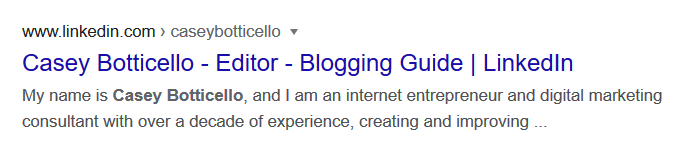
LinkedIn also has extremely high domain authority, meaning that all else equal, it will likely rank very highly in Google (typically spots 1–3 on the first page, unless you have an extremely common name).
2. Medium

Many people using Medium are missing the most obvious value of the platform — it provides an opportunity for users to demonstrate their writing skills and knowledge in a particular subject area.
While making money through the Medium Partner Program is great, I guarantee you that Medium’s true top earners are those who produce high quality content, which acts as cost effective advertising for themselves or their business. Just one large client for a freelancer (who turns into a long term client) far exceeds what most writers will earn strictly from the Partner Program.
It also offers an excellent opportunity to showcase your knowledge and act as a portfolio that firmly establishes your personal online brand.
You can achieve this by writing high quality, original, longform posts.
As an example, I have helped demonstrate my knowledge of digital marketing with posts like:
3. Crunchbase
Crunchbase is the leading destination for millions of users to discover industry trends, investments, and news about global companies — from startups to the Fortune 1000.
Crunchbase is one of my favorite platforms because it allows you to create a detailed profile for both an individual and their associated companies or organizations. One of the other great features is you can link your account to other people at your company or people you have made investments/financial partnerships with.
Although Crunchbase is definitely geared toward startups and businesses looking to raise money, it is perhaps the most data driven of the platforms on this list and it provides countless opportunities to establish credibility.
4. IndieHackers

Indie Hackers is a place where the founders of profitable businesses and side projects can share their stories transparently, and where entrepreneurs can come to read and learn from those examples.
It’s also a community where individual “indie hackers” come together to share their experiences, give and receive feedback, and rely on each other for support.
For example, I have a profile for my newsletter, Blogging Guide, which documents my progress:
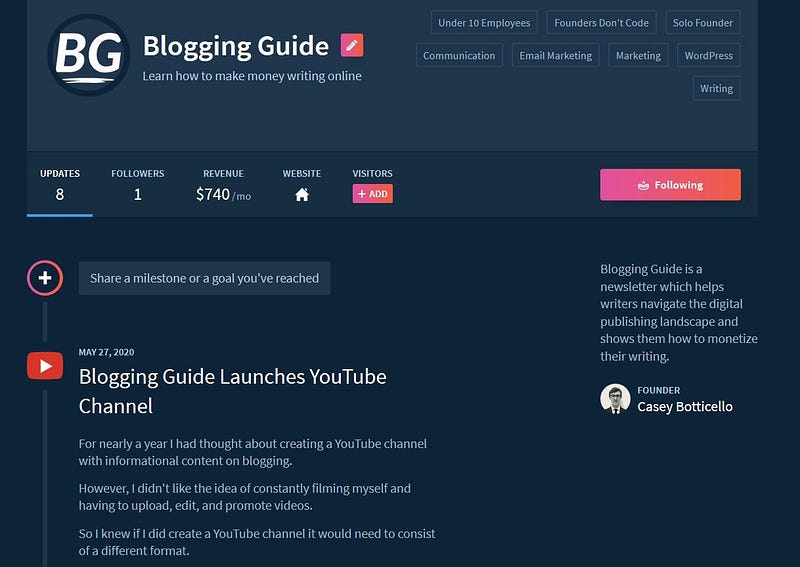
Indiehackers makes it easy to document milestones and goals. For example, the milestone I added below shows when I first enabled subscriptions:
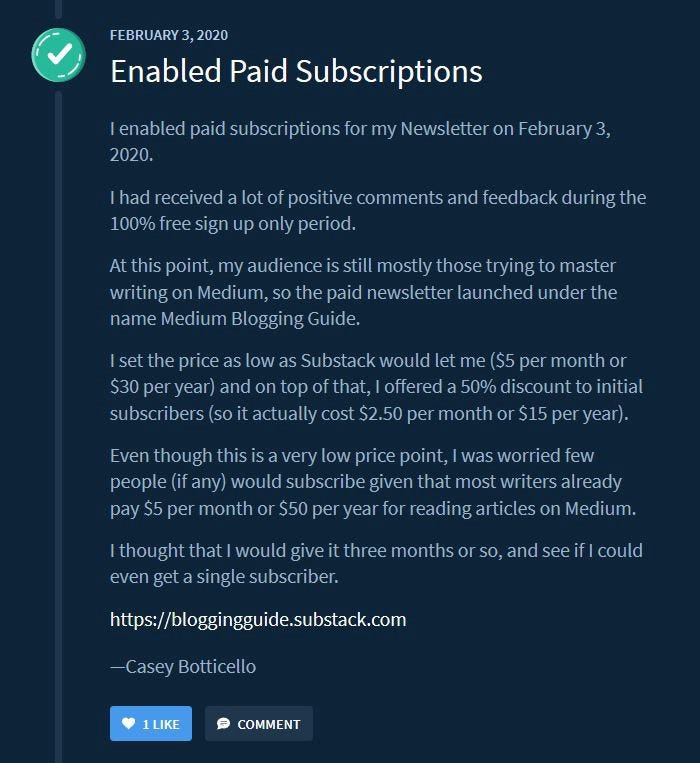
You can create milestones for virtually any milestone.
For instance, I created a milestone for when I reached 100 paid subscribers:
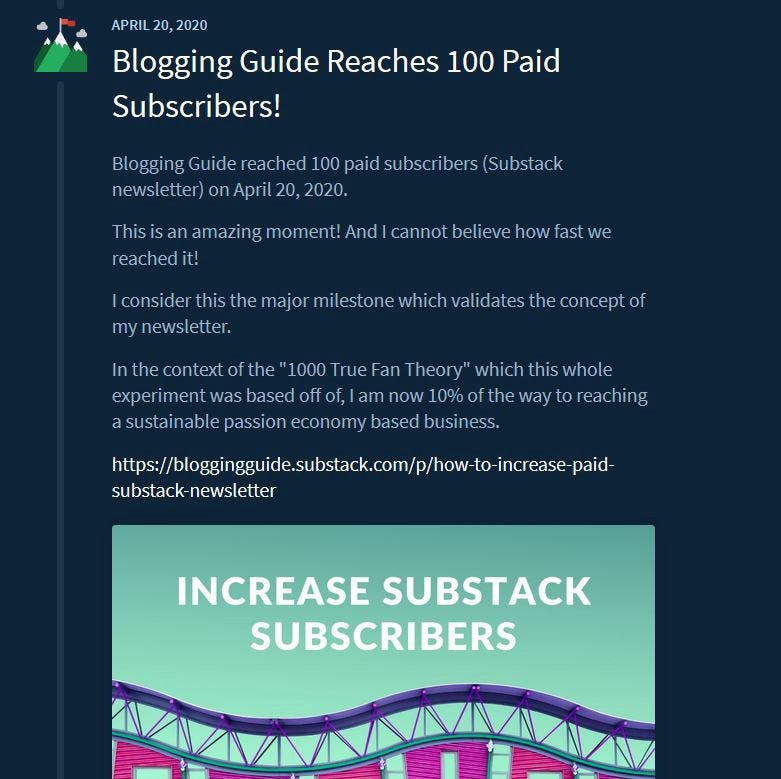
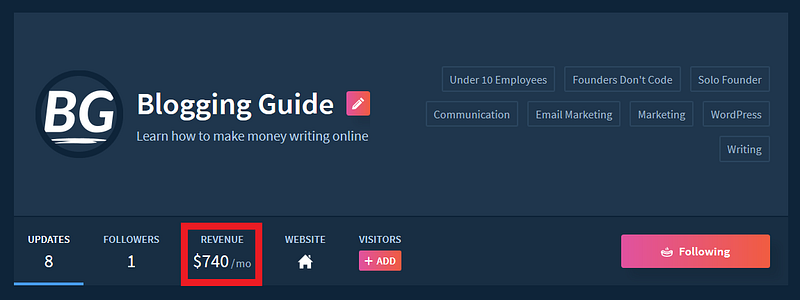
You can also connect your Substack newsletter, and show your verified earnings, from your Stripe account.
5. Quora

Quora is a question-and-answer site where questions are asked, answered, edited, and organized by its community of users in the form of opinions.
Aside from being a fun place to learn about a myriad of topics from some of the best experts on the planet, Quora can also demonstrate your subject matter expertise, build your digital credibility, and elevate your personal brand.
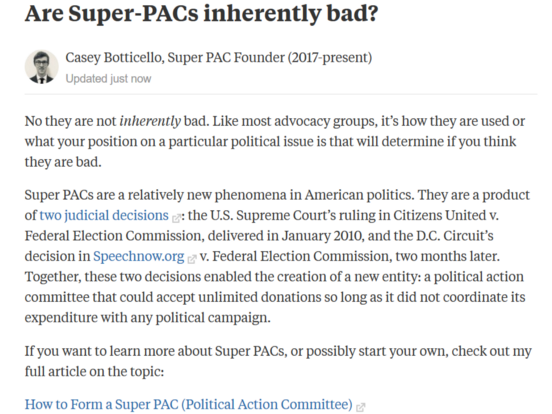
Questions asked cover almost all topics imaginable, and responses are generally practical and informal, making the platform perfect for someone who otherwise would not publish content due to self criticism and doubts about their writing ability.
Users can also add external links which can be used to link to your other content or profiles.
You can also vary your profile description based on the topic, so you are able to write responses in different niches.


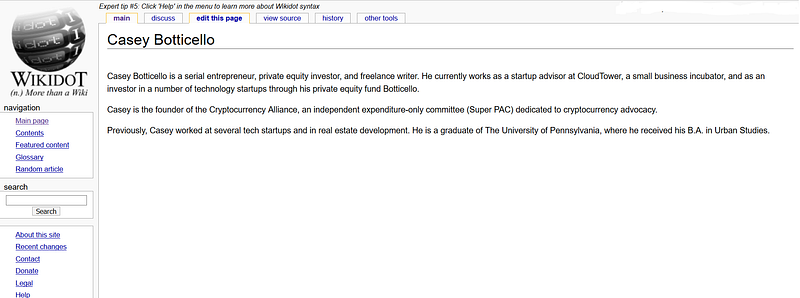
6. Wikidot

Wikidot is a place to build wiki-based websites. You can use it to publish content, share your documents, collaborate with friends or coworkers, or create a place for your community.
Although it has the lowest domain authority on this list, the site is definitely worth taking a look at because you can build out and link content over time.
One of the main advantages of using Wikidot is it easily accessible to anyone and it allows you to link your content to previously existing pages, which in terms of SEO, is extremely valuable. And unlike Wikipedia, which claims to allow anyone to edit content but in practice restricts this privilege to select moderators, Wikidot can used by anyone, regardless of experience.
7. SlideShare
SlideShare is a hosting service for professional content including presentations, infographics, documents, and videos. Users can upload files privately or publicly in PowerPoint, Word, PDF, or OpenDocument format. Content can then be viewed on the site itself, on hand held devices or embedded on other sites.
Not only is SlideShare a great way to share presentations, but unlike many other platforms, the individual slides and presentation notes are indexed by Google. If you are trying to showcase your expertise in a certain area or explain a new concept, SlideShare allows you to reach a vast audience.
SlideShare indexes so well that the individual slides from a presentation that I gave years ago, that someone else posted, is still among the top images/graphics associated with my name.
8. Your Personal Website
Although there are many great platforms to build your online profile, there is no substitute for having a functional personal website.
Not only will this site typically index highly when someone searches for your name, but it offers the most flexibility in presenting your resume, projects, hobbies, skills, and personality.
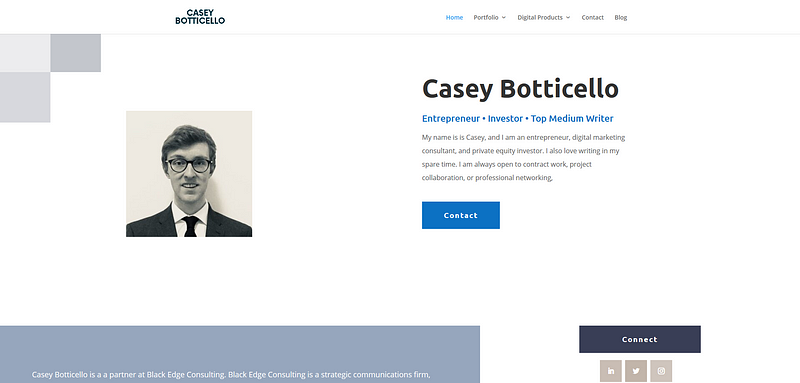
My personal website is not complex, and is an example of something almost anyone can create. But it is extremely useful for building a brand because it ties together all the disparate projects I am working on.
Ideally your website will contain your name.
Preferred format would be firstnamelastname.com.
For example:
www.caseybotticello.com
A few key elements your personal website should have:
Bio
Let visitors know who you are:
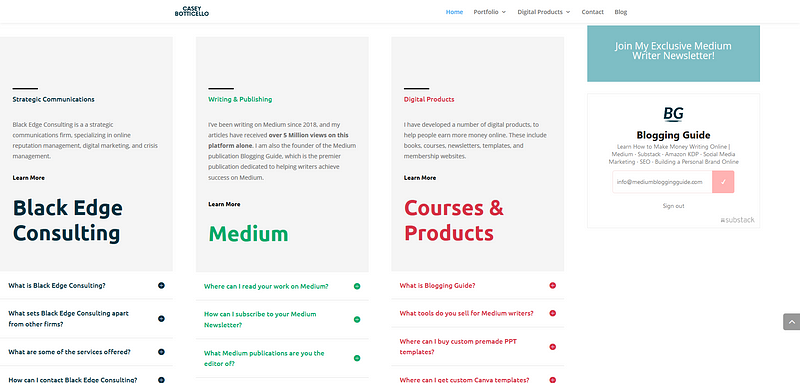
Relevant Links
Include links to your projects, companies, social media, or resume:
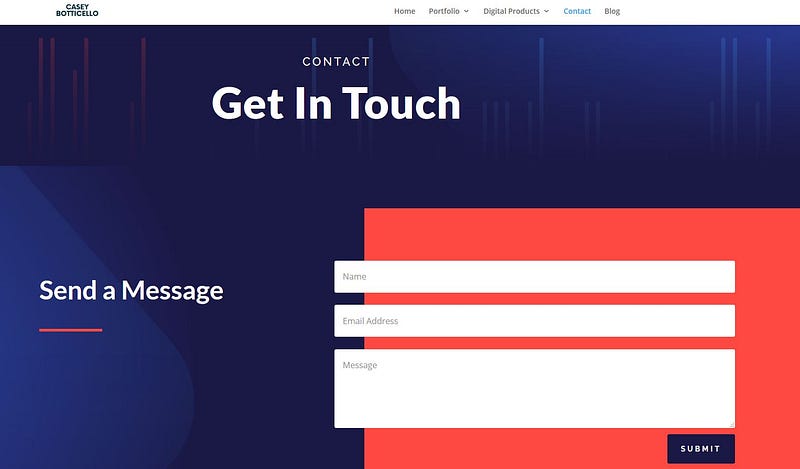
Contact Page
Readers should be able to contact you through some form or through email.
9. Guest Posts on Related Blogs
While there are many ways to promote your content, there is one strategy that stands out as a consistent way to generate new organic traffic — writing a guest post on someone else’s blog.
Initially, some bloggers are hesitant to pursue this strategy, wondering:
Why would I give someone else content for their blog? Shouldn’t I be building out my own back catalogue of content?
However, as you will see from the reasons described below, there are many benefits to guest posting on blogs other than your own.
Create Backlinks
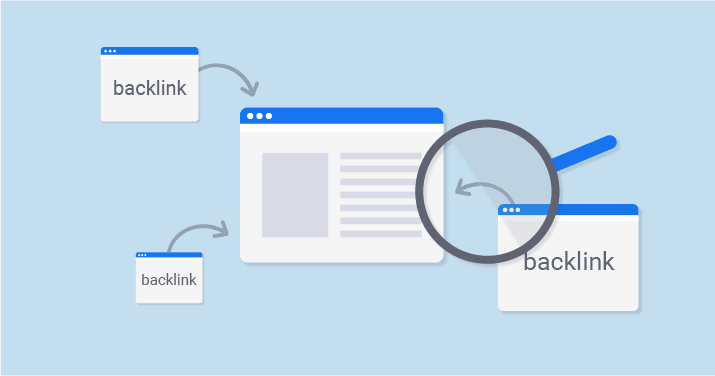
Most blogs that accept guest posts allow their contributors to leave at least one link to their own site. After all, most of them don’t offer any financial compensation for your hard work. A brief newsletter mention, blog post, or keyword-optimized link is fairly standard.
Still, even a single backlink from an authoritative blog will greatly benefit your own blog’s SEO. Backlinks make your content more discoverable to search engines like Google. This is especially true if you are guest posting on another site within the same niche as your own site.
Build Your Social Media Following

Guest blogging increases the amount of social media shares your content will receive. This is a great way to boost your follower count and accelerate your lead generation efforts.
By contributing to an authoritative blog, you are essentially receiving an endorsement from the author of the guest blog. This means that their readers are far more likely to explore your content.
In most guest blogging arrangements, you get to customize your contributor profile. Here you can include direct links to your social media accounts, making it easy for new readers to become followers.
Improves Your Authority in the Industry

Guest blogging helps you establish authority in your industry.
Imagine that you search for the phrase “What is X?” or “How can I improve at X” in Google.
Which of the two search engine results sounds more authoritative:
- A single website that appears to answer your questions (but it contains no endorsements, only self-proclaimed endorsements) and is one of many sites all making similar claims.
- A website that contains an answer to your question, which is also referenced across other top links, all referring to your specific website, which other bloggers tout as an expert.
Obviously the second scenario is preferable.
Yes, your own blog post may reach the number one result in either search, but readers are likely to skim a few other top results. If all of the top sites are referring to you, and several even include a guest post from you, your own content will be much more easily accepted as authoritative.
In the first search scenario, even if your content ranks highly, there will be other articles written by other authors, all making similar claims. This diminishes your perceived authority within a niche, to most readers browsing.
Expand Your Blogger Network

Every now and then, you’ll guest post for someone and the new connection you made turns out to be a home run.
This new blogging contact can be someone who allows you to be an affiliate for their new product. They may follow you on social media and comment on all your posts. They may share your blog posts on their Twitter feed when they see it.
It is difficult to make these types of valuable connections. One of the best ways to do this is by taking the time to write a guest post for someone’s site.
For example, I recently met Chris Craft after he posted a comment in response to one of my articles. After some friendly chatting over email, I offered to do a guest post for his site InspireFirst.
Expand Your Portfolio of Work

Portfolios highlighting your best work are important for both individuals and companies. Consumers want to see for themselves the impact a brand has, especially when it’s accessible online. One of the benefits of guest blogging is enhancing that portfolio.
The more valuable the information you share in your guests posts, the more this demonstrates expertise and experience within your industry. It can also function as a lead generation tool, since readers may also be interested in a service you describe or demonstrate in your guest post.
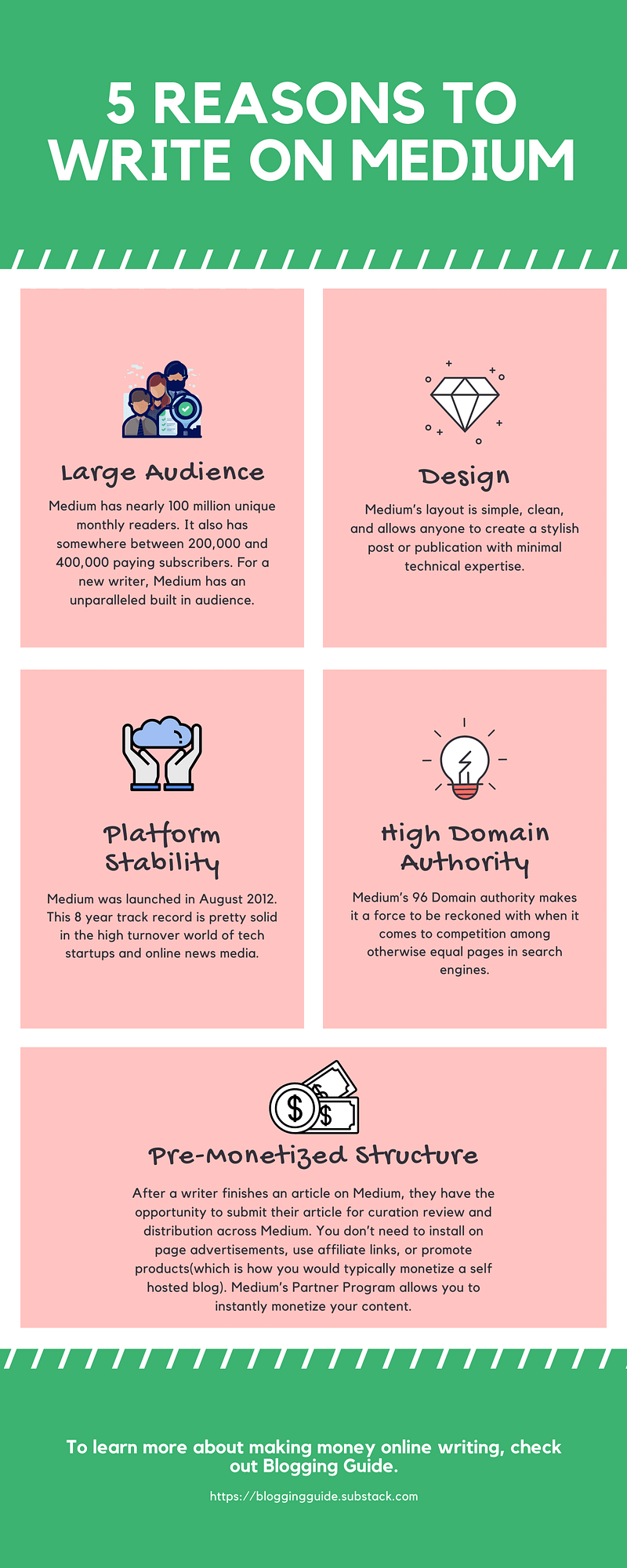
In the previously mentioned guest post I did on InspireFirst, I created a custom infographic. I have already received a few emails from writers looking to collaborate, solely because they want me to create them their own evergreen infographic.
10. Academia.edu

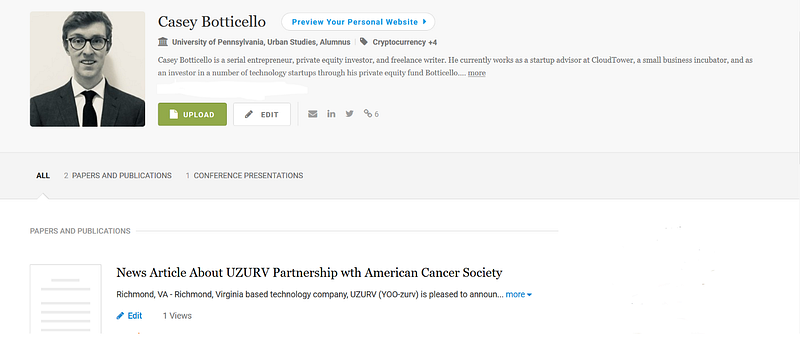
Academia.edu is a platform for academics to share research papers. The company’s mission is to accelerate the world’s research. Over 65 million academics have signed up to Academia.edu, and it attracts over 21 million unique visitors per month.
If you don’t have an Academia.edu account, you should consider creating one. The basic service is free, and even if you aren’t a student, researcher, or professor, Academia.edu has tremendous clout with Google’s search engine (I consider it one of the best kept secrets among high authority backlinks since it indexes so consistently). It also allows you to upload documents, which will also get indexed in Google. Additionally, you can link your Academia.edu account to all your other social media, personal, and business websites.
11. Podcasts
You don’t have to create your own podcast to build your own brand (although this is an extremely effective technique).
However, this is quite time intensive.
Luckily there is a way to utilize podcasts to boost your online brand, without having to invest tons of time and create your own.
Appearing as a guest on a Podcast can be amazing for developing your online brand.
I recently appeared on two podcasts and both have resulted in a surge of traffic to many of my articles, newsletters, and digital products.
12. YouTube
Much like podcasts, YouTube is an amazing digital medium which allows content creators to develop a personal brand which resonates with readers. Creating a YouTube channel (even if it only contains a few short videos) can be extremely useful.
For example, I have a series of blogging-related videos on my YouTube channel:
Like podcasts, you can also reap benefits of being a guest on someone’s YouTube channel, without having to manage your own.
For example, I appeared on YouTuber Shelby Church’s Channel, which provided valuable back-links and traffic, boosting my online brand:
13. Traditional Social Media Platforms

Claiming your URL on the “major” social media platforms is also important to building an online presence. These platforms include:
If you want to further develop your online brand, consider creating the following:
- Facebook Author Page
- Facebook Page (Topic Based)
- Facebook Group (Establishing you as a part of a community)
- Creating your own Twitter thread or hashtag
- Collaborative Pinterest Boards
- Business Instagram Account
- Business Pinterest Account
Thanks for reading this article! Leave a comment below if you have any questions, and if you want to learn more about blogging, content marketing, or subscription newsletter strategy, be sure to sign up for the Blogging Guide Newsletter!
If you liked this article, here are some other articles you may enjoy:

Casey Botticello is an internet entrepreneur and the founder of Blogging Guide, an online community of writers with an award-winning newsletter. He is also the creator of the popular Medium Writing Course and the Substack Newsletter Course.
Casey previously worked at several tech startups, a lobbying & strategic communications firm, and has created several businesses of his own. He is a graduate of The University of Pennsylvania, where he received his B.A. in Urban Studies.
You can connect with him on LinkedIn, Twitter, Facebook, follow his Medium publications, Digital Marketing Lab and Medium Blogging Guide, or reach out to him directly on his personal website.