
‘The Beach Boys in Concert’ — The complete lowdown on the band’s legendary voyage
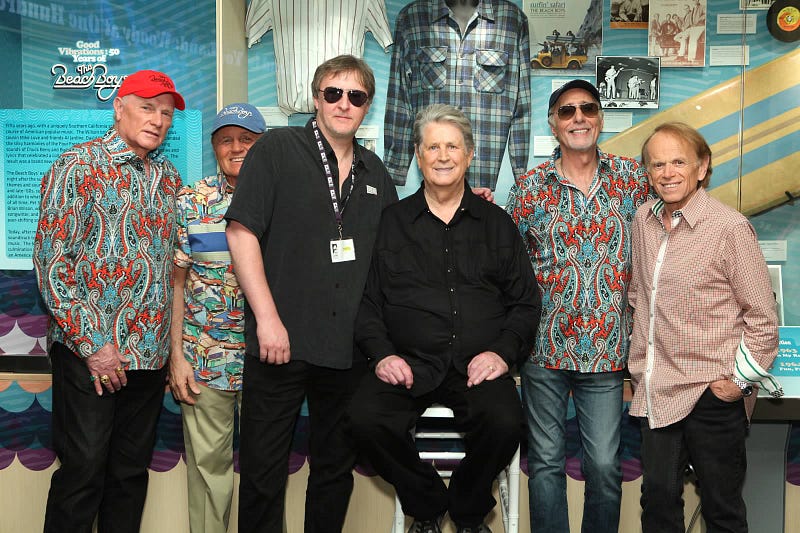
Released in the aftermath of the Beach Boys’ critically lauded 50th Anniversary Reunion Tour, The Beach Boys in Concert: The Ultimate History of America’s Band on Tour and Onstage appropriately recognizes the fractured band’s seismic impact upon modern popular music.
While the massive coffee table tome by Ian Rusten and Jon Stebbins is intended for research minded Beach Boys fans interested in pinpointing when and where a special concert occurred, there is much more available than meets the eye.
Rusten and Stebbins wrote their book in part as a thinly-veiled counter-strike to British author Keith Badman’s similar but sometimes improperly researched 2004 book, The Beach Boys: The Definitive Diary of America’s Greatest Band on Stage and in the Studio. Badman stopped short at arguably the band’s final hurrah featuring the original lineup — the nation’s bicentennial and the endless publicity machine surrounding the controversial “Brian’s Back” campaign exemplified on the 15 Big Ones album.
The 8.5” x 11” hardcover by Rusten and Stebbins differentiates from Badman’s tome by documenting nearly every known tour date played by the group through leader Carl Wilson’s death in February 1998. Selective dates from recent years, often muddied by various touring factions led by Brian Wilson or Mike Love-Bruce Johnston configurations, are also rounded up in short order.
The Beach Boys in Concert has traditional chapters corresponding to each successive year in the band’s gigography. Vintage newspaper reviews, show summaries, and exclusive interviews with band insiders provide further context, although the sameness of the reviews can get long in the tooth if devoured in one sitting.
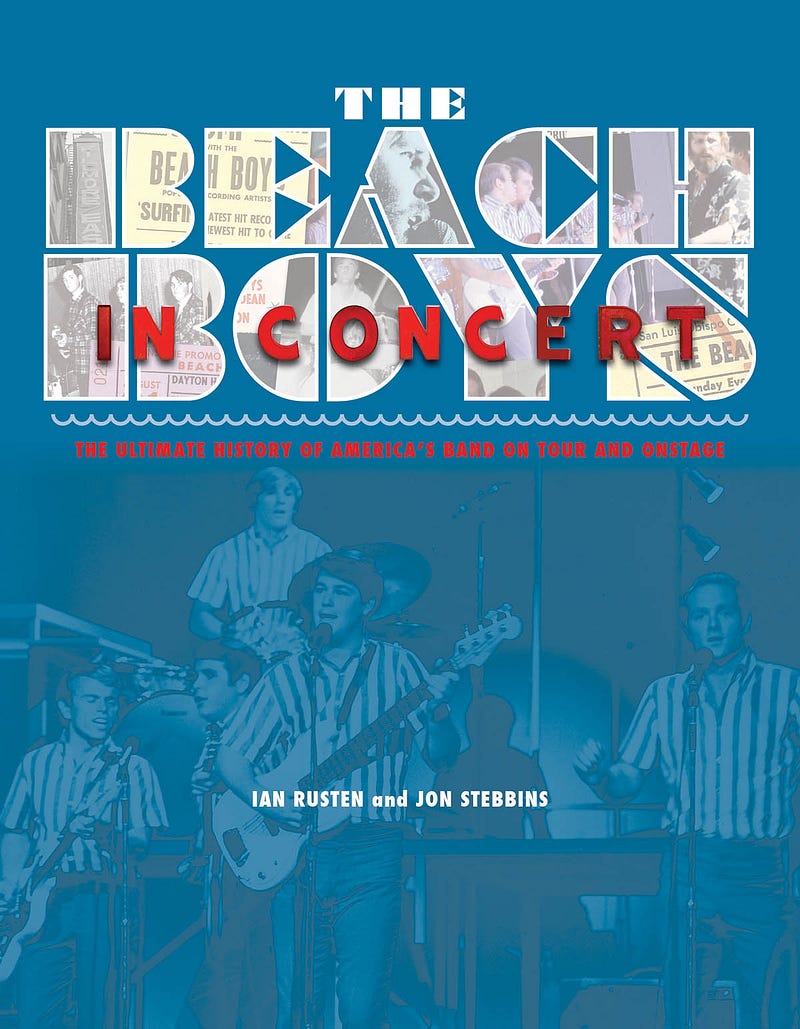
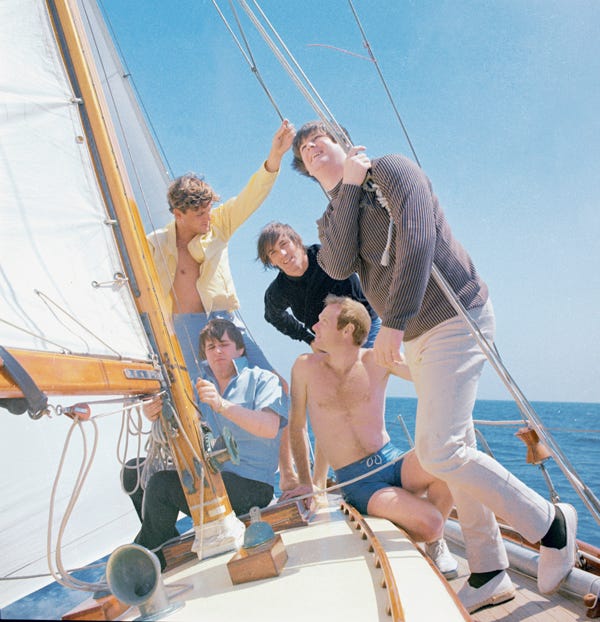
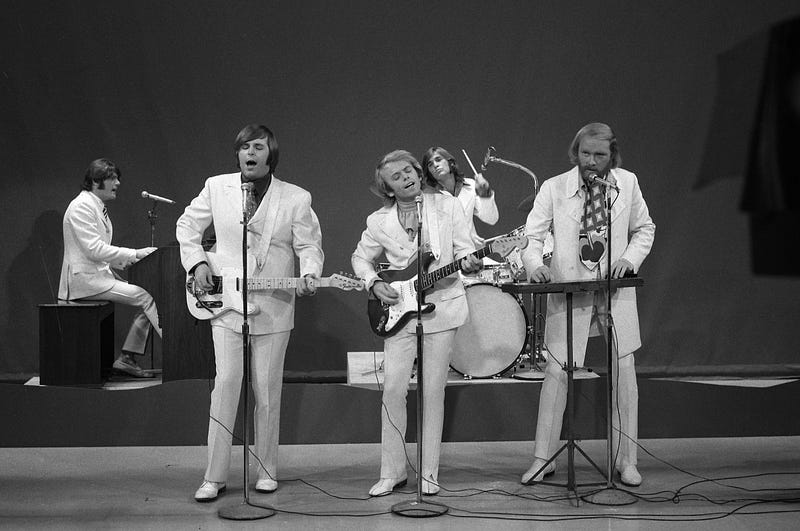
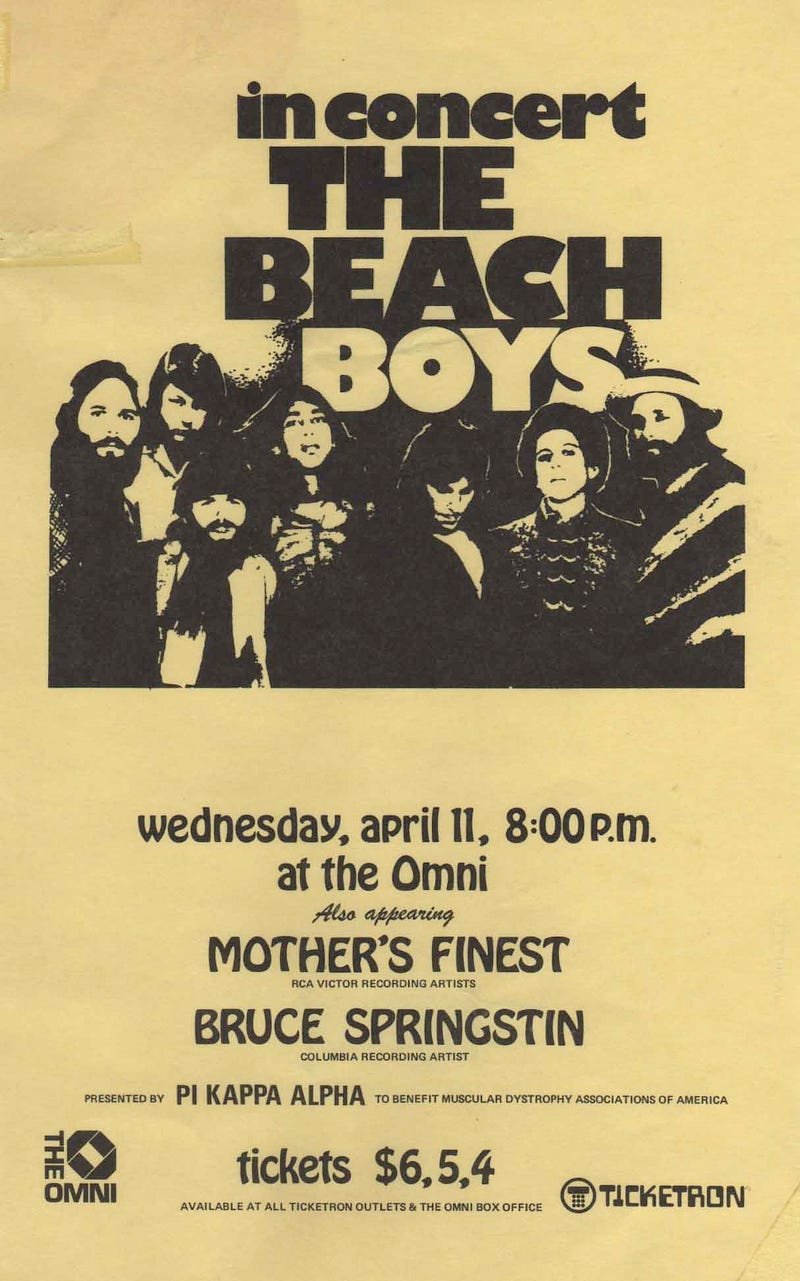
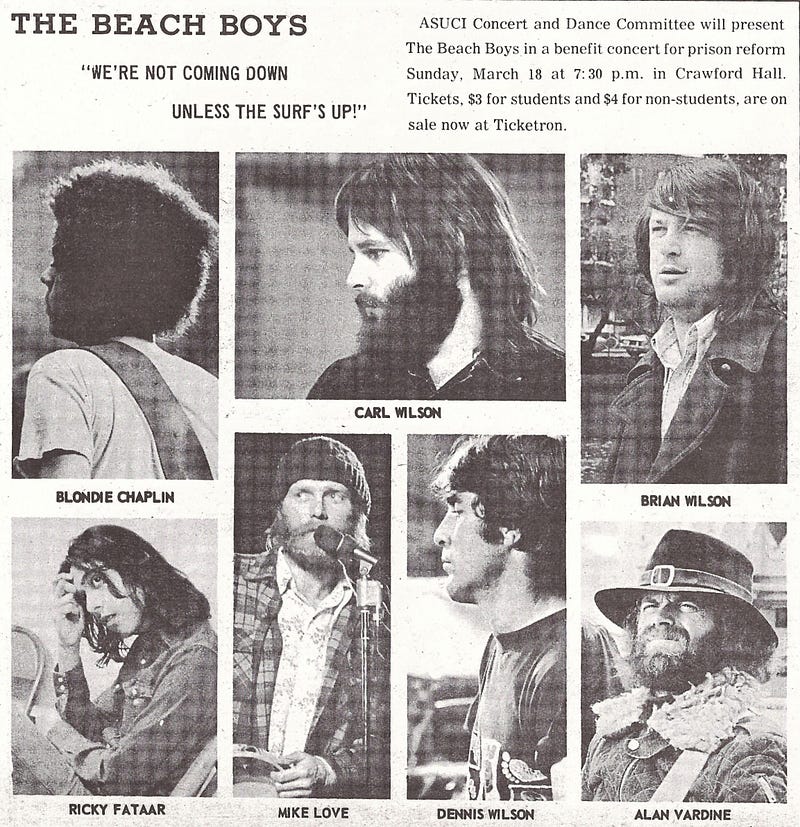
For the casual fan, informative sidebar chronologies on each page detailing the highs and lows of each respective year and gorgeous black and white or color photos appearing every four pages or so, many making their debut after decades in private hands, are hands down the best aspects of the book.
The book is an invaluable resource in comprehending the long and especially winding Beach Boys odyssey. Case in point: take the band’s first decade. Before they became a well-oiled touring machine, the Beach Boys’ humble debut was quite inauspicious.
Performing just two songs, including their nascent single “Surfin’”, on December 23, 1961, at the Rendezvous Ballroom in Southern California on a roster with surf guitar god Dick Dale, a young female fan remarked that Brian was ‘humiliated’ by the rambunctious crowd’s disinterest.
Fast forward to just three years later in Worcester, Mass. on October 30, 1964. Hundreds of teenagers without tickets rioted and police were forced to halt the concert after only 14 minutes. The immaculately arranged, harmony-laden sextet was now the top-selling act in the USA and in the words of Brian, definitely “big business.”
By May 1968, the group was categorically unhip in the face of the burgeoning counterculture. Coupled with a failure to deliver Smile, the rightful follow-up to the iconic Pet Sounds, which nearly shattered Brian’s already delicate confidence, a concert promoting Maharishi Mahesh Yogi at the Washington Coliseum in Baltimore was doomed from the start. Only 1,500 fans attended the 8,000 seat venue, and hecklers repeatedly interrupted the Maharishi’s ill-advised transcendental meditation lecture.
America’s Band had finally rediscovered its mojo by March 1972, best exemplified by three sold out shows at the prestigious Carnegie Hall anchored by two new lineup additions, South African rock ’n’ rollers Blondie Chaplin and Ricky Fataar. Enthusiastically reviewed by Billboard, an alarming trend was already squarely impacting the group’s future artistic impulses. Audiences tended to sit on their hands or headed to the concession stands whenever new material was performed.
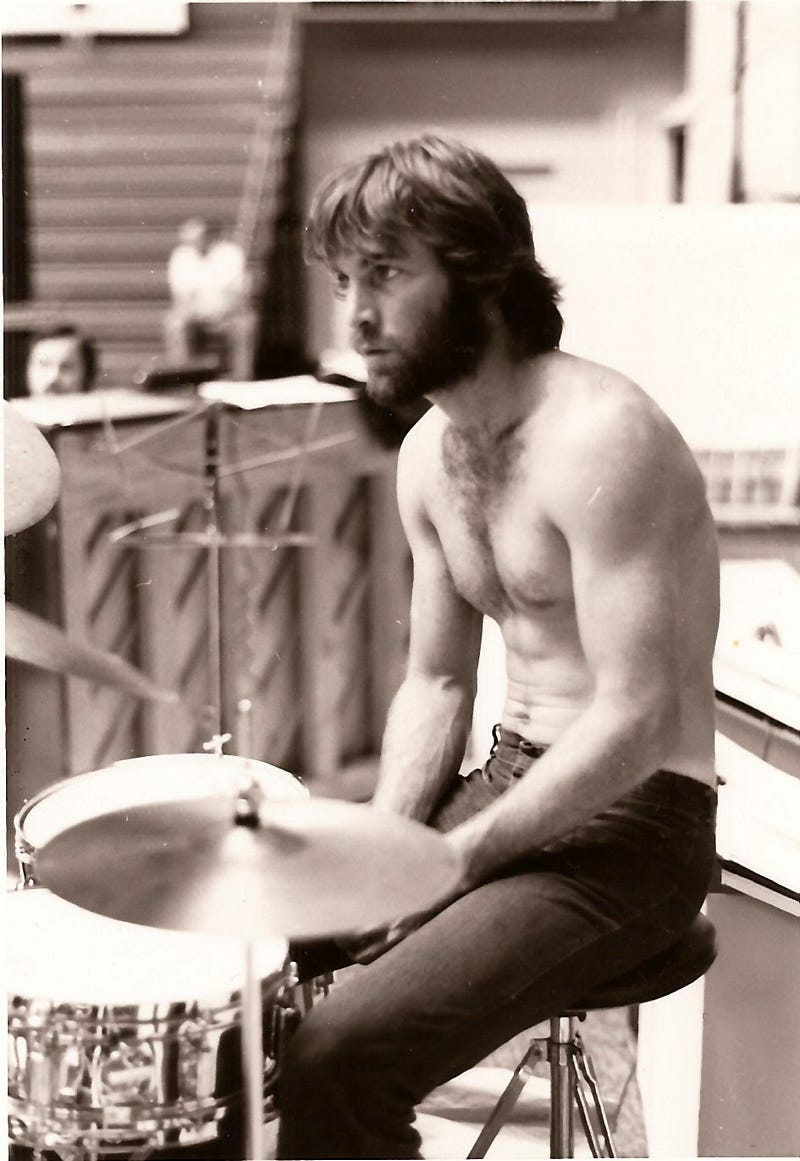
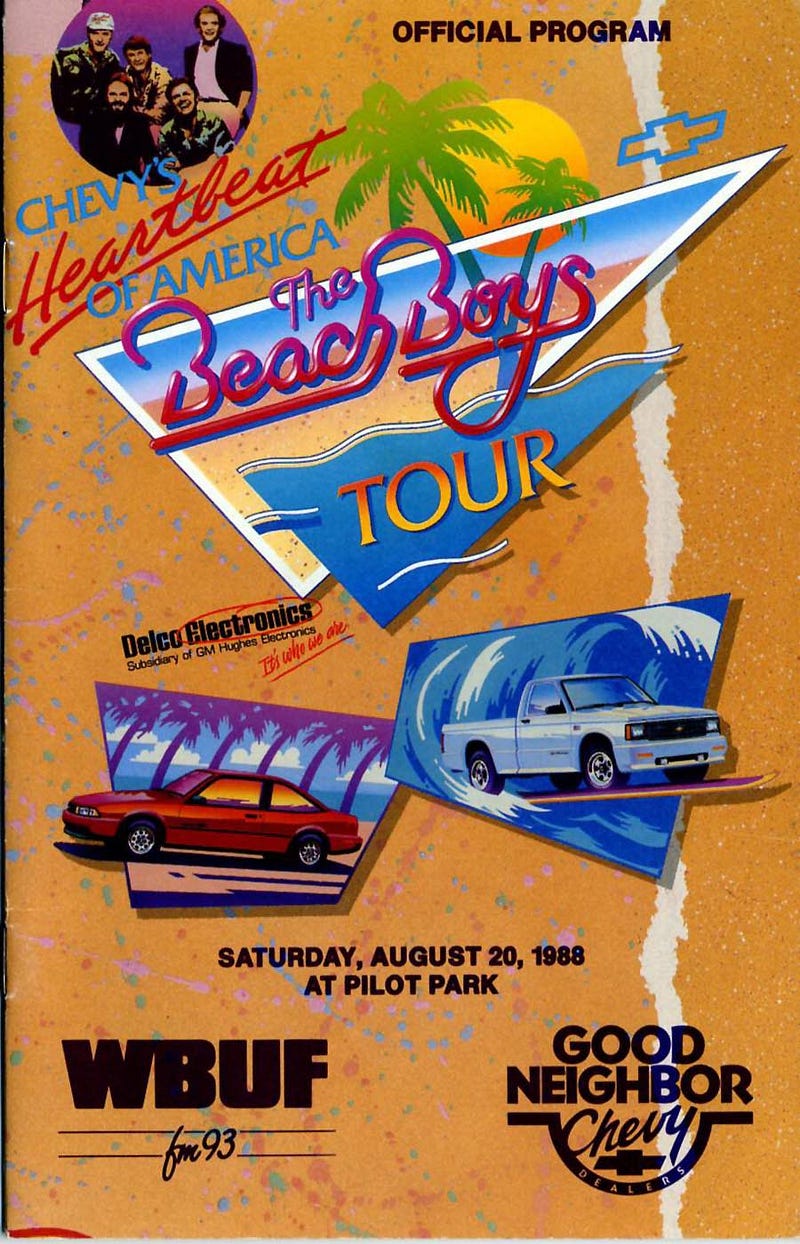
After composer-drummer Dennis Wilson’s unfortunate drowning in 1983 and the band’s accompanying oldies, the sidebar summaries and photos gradually dwindle. For better or worse, there is only a fleeting glimpse of the infamous cheerleaders who “enhanced” Beach Boys concerts in the late ’80s. However, a candid of an excited group perched behind a drum riser with star John Stamos — fresh into his revelatory Full House acting gig — more than makes up for the gregarious oversight.
When pressed to reveal who contributed exactly what, Stebbins exclusively admits, “There was no clear delineation. I did as much writing in the concert entries as in the chronology sidebars. Ian came up with most of the dates, venues, newspaper reviews, although I added some, we both wrote the text, and we combined our visual archives and both found new visuals from contributors.”
In a somewhat baffling move, the authors do not attempt to provide an estimable amount regarding total tour dates, which is unfortunate, considering the Beach Boys — Love especially — have probably played more shows than any other major act.
Appendices offering a rundown of shows per year and concert trivia [e.g. largest audience, record box office receipts, worst-reviewed shows, concerts recorded for official albums, how many times the band played in a particular region, opening acts that later became breakout stars, etc.] would have also been welcome, since readers have to thumb through 400-odd pages if searching for a certain memory.
Still, a tremendous amount of tender loving care backed by solid research and a compelling narrative is on fine display throughout The Beach Boys in Concert, seconded by a rare five-star cumulative rating on Amazon. Let’s hope Rusten and Stebbins set their sights on writing a full band biography in the near future. The seeds are planted, the talent is readily apparent, and such a project would reach a much wider audience.
*******************DON’T GO ANYWHERE YET!*******************
Exclusive Interview: Al Jardine leaves no stone unturned as he sets the record straight on Brian Wilson, the band’s domineering manager Murry Wilson, Neil Young, Glen Campbell, electric cars, John Deere tractors, saving the environment, and more in “Persistence Pays Off: Beach Boy Al Jardine Spills the Beans on ‘A Postcard from California’ and ‘SMiLE.’”
© Jeremy Roberts, 2014, 2017. All rights reserved. To touch base, email [email protected] and mention which story led you my way. I appreciate it sincerely.