
The Battle Against Burnout
Exploring Burnout and What It Means for You

Burnout is the psychosocial, physical, and emotional exhaustion that one may have in the workplace or at home, that is marked by internalized, excessive, and prolonged stress. As the stress builds up, your existing resources dwindle, until productivity and energy are zapped, producing spill-over effects in many areas of your life, such as at work or at home.
While burnout is not a diagnosable illness, it can be a particularly pervasive issue, including, but not limited to, those working in the mental and medical health care professions. I specified the healthcare professions because even the helpers need help sometimes. Helpers may fail to address their own needs, in an effort to help as many others as they can, through compassion fatigue, but in the process end up drowning themselves.
Regardless of profession, we can expect to experience burnout if we:
- Expect ourselves to do more than we can usually handle, beyond the scope of reason
- Are usually dissatisfied with the ongoing work that we are already doing
- Feel small, incompetent and inadequate, despite doing everything in your power to do things like we used to do
- Feel undervalued, underappreciated, and are in the throes of a hostile work environment or supervisor
- Find ourselves in situations that are not the best fit for our talents and want to move onto something seemingly better
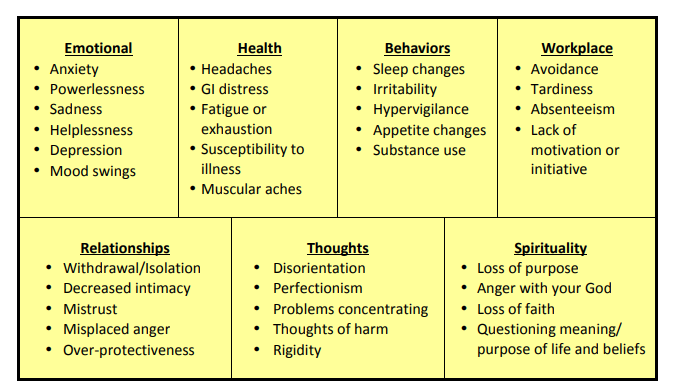
Organizations and companies can make great strides to reduce the level of burnout that a person may feel, such as through employee incentive programs, the dissemination of extended psychological health benefits, mental health awareness seminars, and many more.
To recognize burnout in the first place, a person may need to do the following:
- Track the level of personal attitudes relative to their energy reserves
- Identify the sources of their stressors
- Look for any patterns associated with written/documented job performances, rates of absenteeism, and many more
- See if there is still motivation to pursue the same things as before
- Identify if the things being done are impacting one’s relationships with others, such as friends and family
Sometimes, we may not always realize that we have burnout. Sometimes, we lie to ourselves and tell ourselves that everything is okay. While positively reinforcing yourself with self-affirmations can be beneficial, increases of denial may be increasingly prevalent, as denial may cloud judgement concerning reality.
To reduce the severity of burnout, one can do the following:
- Write clear expectations on what you are going to do, breaking down your larger tasks into smaller, and more manageable increments
- Ensure that expectations are reasonable and realistic
- Prepare yourself with many resources, supports, and guides to maintain tasks competency
- Maintain some semblance of a schedule
- Encourage and foster more social support for morale boosts
- Foster extracurricular physical activities that allow for breaks
- Produce a self-care plan and develop more adequate coping strategies
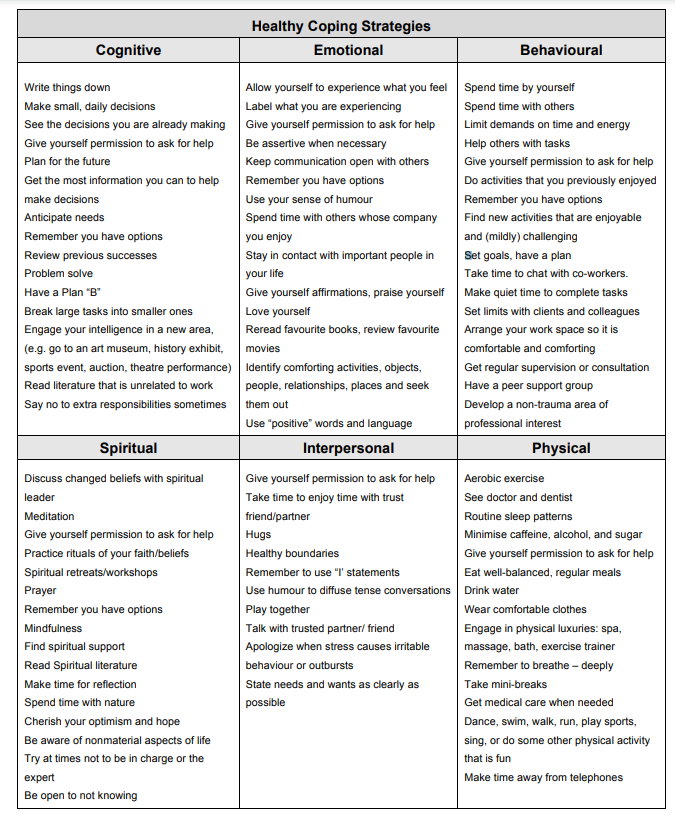
While burnout is never easy to conquer, we can make great strides towards improving our immediate situation. In other words, if you are able to leave burnout, you walk out of the situation more stronger and resourceful than before, and that’s something to be very proud of.
For similar articles from the author, please read:


