
The Anxiety-Distraction Feedback Loop
There’s been a lot going on in our world lately, and it seems that people are dangerously flitting in and out of anxiety, with the help of distraction techniques, like binge-watching a TV show after spending the whole day at work.
To specify, anxiety is a pervasive sense of worry over impending events, especially when there are a lot of unknown variables involved. Anxiety starts to become maladaptive when the internal fear of the unknown does not correspond to the actual threat. For example, if you know that the worst-case scenario of not getting something done is just personal regret, elevated levels of anxiety may treat this scenario as if it were a do-or-die scenario, an evolutionary survival trait learned from humanity’s earliest days, back when humankind lived in caves.
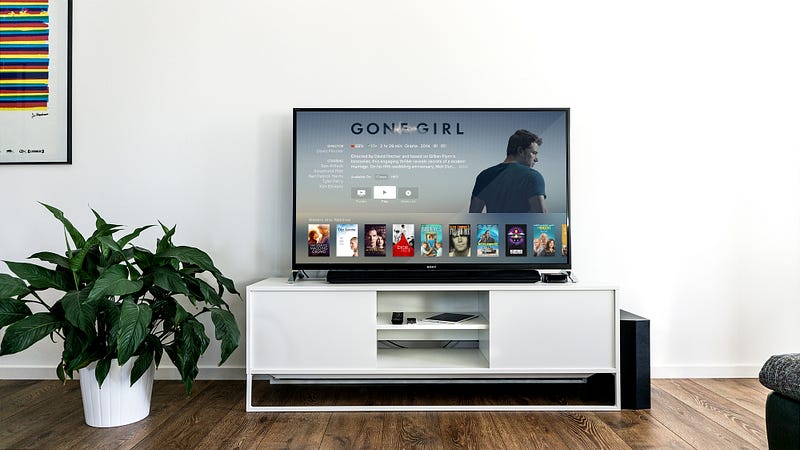
To combat this line of anxietal thinking in modern-day, people often engage in a variety of exercises, such as outlining a series of positive self-affirmations, where you can remind yourself that your worth it not tied to a singular event, but the summation of many skills and interests. Furthermore, others will employ distraction techniques, such as binge-watching TV.
It’s understandable to be feeling overwhelmed about world events. We’re in a place in society where it’s socially permissible to feel this way. We don’t know how long the world will remain the way it is, and the news isn’t always the best place for assurance. In fact, a potential self-care strategy could be to spend less time reading or watching the news.
Despite all this, some people are caught in this strange loop of elevated anxiety, followed by elevated distraction. Since we don’t know how to control our situation, we end up doing the next best thing, which is to preoccupy our minds.
While distraction techniques are good, they can become potentially addicting, affecting the other corners of your world, until you feel aggravated anxiety once again. To reduce the likelihood of being addicted to your distraction, you may need to moderate how often and how frequently you engage in a distraction technique.
It’s not easy but impulse control is possible, especially if you pride yourself with a vetted time management plan. For example, you can set aside time to allocate only a certain number of hours to do distraction technique 1, follow it up with something productive, and then spend another series of hours for distraction technique 2.

Once you understand your specific learning habits and pace, it can be much easier to catch yourself before you fall into yet another anxiety-distraction loop. Sometimes, mapping out these things in a journal log or Excel document can go a long way in identifying patterns. For example, if you find that you fall into the anxiety-distraction loop on Monday after over-working on Saturday and Sunday, there’s room to potentially move around items so that the collateral damage is lessened.
Overall, while distractions can sometimes be a bad thing, they’re not always the worst thing. Having a distraction technique can help buffer your brain to secretly brainstorm new ideas in the background while you work on something else. For example, when we were kids, we sometimes handed in a test even when we were unsure of the answer, but an hour after submitting our test, we suddenly remembered.
Similarly, when we engage in distractions, they are the buffer period for mapping out solutions, for the problems we faced earlier in the day. The next time you need to submit something, coping mechanisms can go a long way in reducing our faulty lines of thinking and disrupt out levels of anxiety and distractedness.
For similar articles from the author, please visit: