
Art Therapy Can Improve Memory
Insights From an Aspiring Therapist
Creative arts therapy is an innovative discipline that incorporates various artistic methods of expression. Whether it is through drawing, painting, or even sculpting, art therapy is reported to reduce depression and anxiety while also improving one’s interpersonal relationships with friends and family.

Art therapy also provides individuals with a sense of purpose, accomplishment, and powerful self-expression, alongside increased attentional focus, enhanced memory recollection, and an emerging sense of wonder.
Art therapy can prove to be beneficial, particularly for older adults who struggle with certain aspects of memory loss. Sometimes, when you have memory loss, it can be frustrating to communicate ideas to someone, especially if you forget specific words or concepts halfway through a conversation.
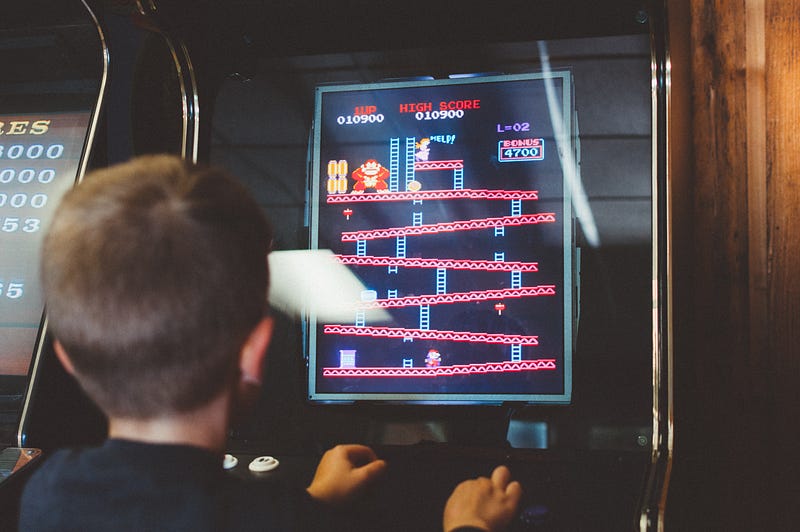
While memories can fade with time, the ability to speak and write can be sustained, as long as some level of life-long learning occurs. This is likely why you’ve heard of the phenomenon where seniors might play videogames to keep their intelligence and eye-hand coordination intact.
Curiously, art therapy has been found to help those with dementia and Alzheimer’s. While art therapy isn’t a cure, it can provide a momentary sense of pleasure, that allows our social behaviour, self-esteem and brains to improve, reducing the severity of symptoms, and making it easier to manage.
Having the proper guidance, teaching, and training is needed to ensure that you are benefitting from art therapy. A licensed psychotherapist, particularly one who has additional training in art therapy, can help individuals feel comfortable in exploring various forms of art, while also building a specific but customized plan to heighten and encourage one’s level of creativity.
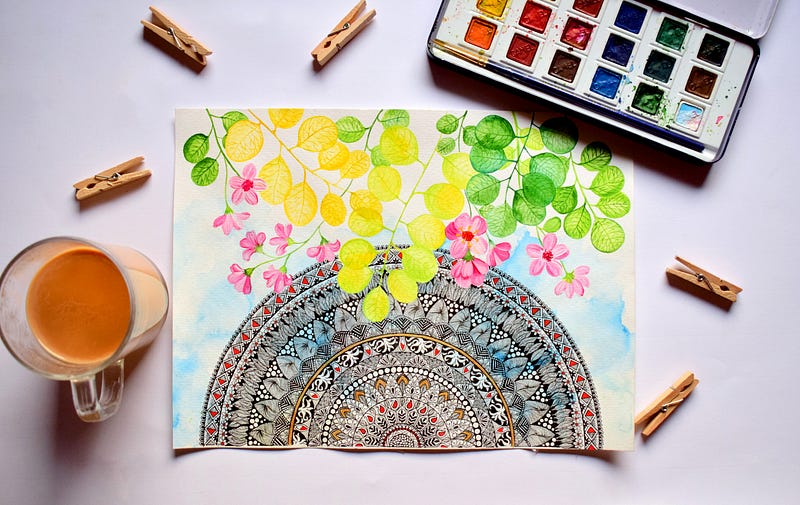
Even without professional support, one could support their loved ones by doing various artistic activities at home. For example, painting with a loved one can be a valuable bonding exercise and the paints used in your pictures can elicit positive visual stimulation. Nurturing these relationships alongside these creative urges can help foster a higher degree of thinking that is fun and easy to do.
The beauty of art therapy is that it can be individualized to your own needs, the needs of your partner, or even the needs of the family. Regardless of which art therapeutic measure you might employ on yourself or others, art will prove to be fruitful for your mind in the years ahead.
Ideas for art at home:
For more recent content from the author, please see: