
The Delicate Art of Mindful Eating
Reframing Food Experiences To Improve Health
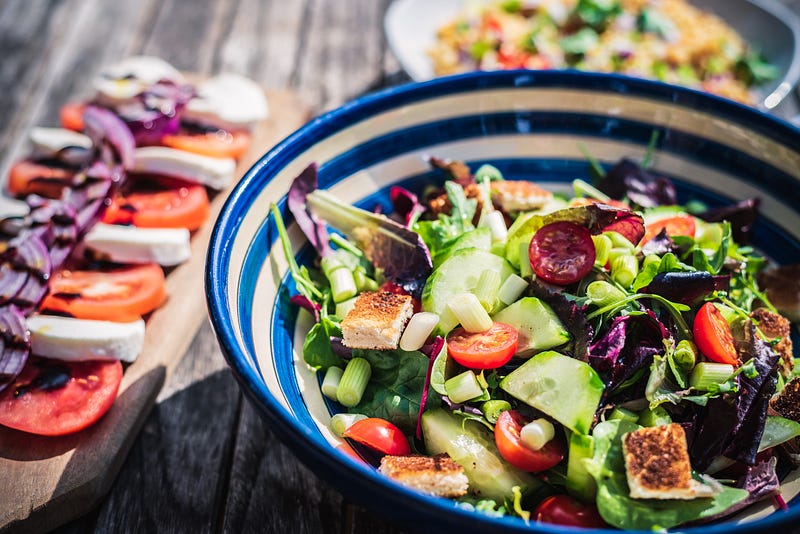
Many of us struggle to eat healthily. We might understand what food to eat and how to exercise, but some of us are not always sure what constitutes “healthy eating”, especially when the lines get blurred due to ever-changing socio-cultural and biomedical norms.
As a former researcher, and as someone who has studied some of the different areas of psychology extensively, let’s take a deeper dive into this topic. Some of us micro-manage our eating too much, taking into account our caloric intakes, but not taking into account the experience of eating itself.
For example, as researchers have noted, we have mindful eating. Mindfulness is generally the state of focussing on the present. We spend so much time ruminating on the past and obsessing over the future, that we often forget to be mindful of our immediate surroundings.
Deadlines loom over us and before we know it, we end up with our heads stuck in the clouds. Our minds become our worst enemy and we beat ourselves up for many small things. However, to siphon out the stress, we need to practice some sort of mindful thinking.
One of the interesting ways to practise mindfulness is through the experience of eating itself. When you take a break to eat, it constitutes:
- Paying attention to what you are eating
- Not multi-tasking
- Savouring the textures, smells, colours, and flavours of your food
- Eating slowly and deliberately
- Eating in smaller portions (if needed)
- Becoming one with the moment
Sure, mindfulness is something that is thrown around a lot — but mindful eating might be a good way to appreciate what you have, and helps you make the most out of your limited time.

Plus, if you work out the logic here, it has other benefits too.
If you eat slowly, mindfulness helps you become more hyper-aware of how your body responds to the food. For example, maybe you struggled to identify when you were full because you often ate out of stress. Eating slowly, mindfully, and without the distraction of the TV, you learned to fully recognize the signs of being full, resulting in a healthier situation.
There’s also the benefit of having higher levels of alertness and attentiveness to keep on going, especially if we’re always busy. I mean, if you can do mindful eating, perhaps you will start to invoke mindfulness everywhere you go. For example, maybe you will do it while:
- Taking that daily jog
- Walking the dog each day
- Debriefing between back-to-back tasks
- Taking that steamy shower
- Before you head for bed
As for now, just try to take it easy. I know some of you are more experienced when it comes to food management, but the delicate art of mindful eating can also optimize your health. Heck, maybe you need some fancy music to help set up that calming mood.
Whatever you end up doing, just practice mindfulness at a pace appropriate to you. As Thich Nhat Hanh once noted,
The present moment is the only time over which we have dominion.
For more articles from the author, please visit:


