
The American Lawn Is an Ecological Disaster
On America’s bizarre and harmful addiction to grass
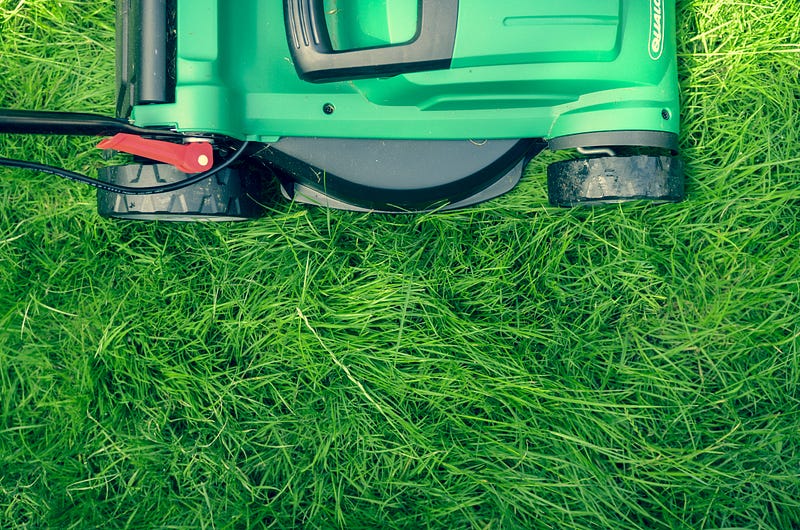
The Domestic Lawn: Is There a More Typically American Landscape Feature?
From New England to Chicago, Florida to California, lawn quite literally covers the landscape of the US. There’s estimated to be around 63,248 square miles of lawn in America, and nearly 2% of the entire country is just turfgrass. In fact, despite its ZERO practical use or value, turfgrass is America’s most irrigated crop.
While it might be iconic, the lawn is also an environmental disaster. So, it’s time to ask, what is with this addiction to grass?
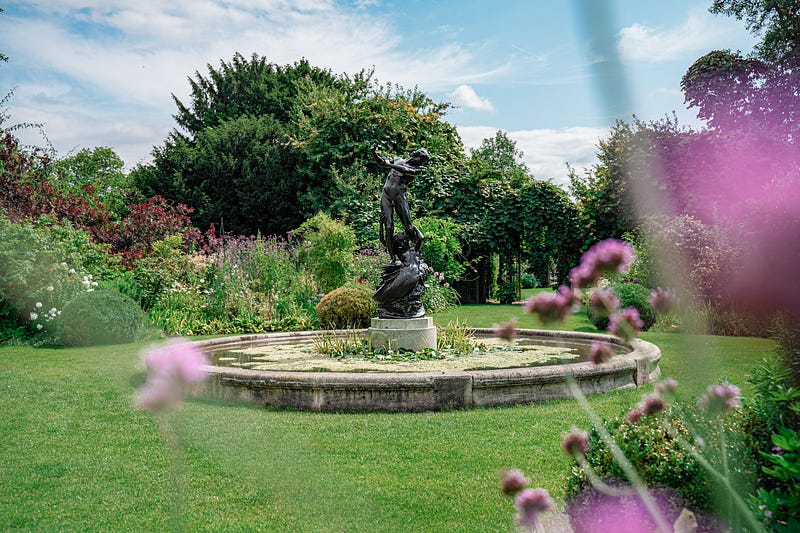
The Origins Of The Lawn
When André Le Nôtre designed the gardens of Versailles at the end of the 17th century, the concept of the ornamental lawn was born. Soon ‘Green Carpets’ would spread across Europe, later becoming a key fixture of the English Landscape garden.
These gardens served as status symbols for the elite and wealthy. However, the invention of the lawnmower in the 19th century meant that the middle could soon claim the lawn for themselves.
These gardens were still very different from the modern lawn. There was not yet any concept of a ‘lawn weed,’ and their focus was still very much on nature. Perhaps a vision of nature pruned and improved by man, that is, but nature nonetheless.
These gardens were generally only found in the countryside as well.
This would soon change when the concept made its way across the Atlantic.
The Turf Industry Is Born
American lawns began, much as they did in Europe, in the countryside, where they once again served as a sign of affluence. Soon, however, the lawns would make their way to the outskirts of town, and it was here that suburbia was born.
For a nation that was still trying to define itself, the lawn became a symbol of civic pride, even though lawn culture is not adapted to the country’s climate at all.
Shorter workweeks, cheaper and more effective lawnmowers, and access to cars meant the middle classes soon had more time on their hands, time to work on cutting grass, that is. In fact, most new builds came with regulations regarding lawn care, some of which still exist to this day.
Following the second world war, pristine golf courses became the new aspiration for homeowners. Lawns, which had previously been made up of whatever grew there, became monocultures. Anything that wasn’t grass was labeled a weed and swiftly destroyed.
Extraordinary excess use of water and chemicals followed, many of which, including DDT, were harmful to both people and wildlife.
The Ecological Cost of The Modern Lawn
Americans are no longer poisoning themselves and their families on quite the same scale. Still, the obsession with lawns hasn’t disappeared.
In fact, Americans use around 8 billion gallons of water each day for outdoor residential use, mainly for landscape irrigation. They also use approximately 59 million pounds of pesticides a year, much of which ultimately seeps into the land and waterways. Then there’s also the 3 billion gallons of gasoline a year on running gardening equipment.
Again, these staggering figures are all the result of one glaring issue with lawns: the vast majority of America is not ecologically suited for turfgrass.
But it’s not just resources Americans are spending on lawn care, but time as well. The average American spends around 70 hours on lawn care a year.
Now, surely there are better ways to spend time?
It’s Time For An Intervention
The well-kept lawn is deeply embedded in the American psyche, and turfgrass isn’t going to disappear overnight.
But, with ecological disasters looming, the large-scale sacrificing of resources and time simply isn’t viable anymore.
Gardens can be a force for good, havens for nature and people, or places to grow food or plants. Indeed, there are many sustainable alternatives to the garden lawn. All that’s needed is a change in the way people think.
Enjoyed reading this article? You might be interested in the following:
You can also share your love and concerns for this lovely planet. Just click the below image and be a writer for The Environment
