
The Amazing Northern Gannet Colony of Bonaventure Island in Perce, Quebec
Volume 7-Our Boat Tour to Perce Rock and Bonaventure Island Reveals Many Birds and Seals
Welcome back. My wife and I have returned from our 40th Wedding Anniversary vacation. This is my 7th article from our trip, and I should have several more; I have many photos to share. It was a great trip as we finally returned to Perce, Quebec, which we visited the year after we were married.
I hope you have enjoyed my articles. There were many highlights of our trip, including the boat tour we took, which I wrote about here:
First Stop on the Boat Tour-Perce Rock
The boat took us pretty close to Perce Rock. Such a beautiful sight; being out on the water gave us an entirely different perspective. The actual size of it became much more appreciable the closer we got to it.
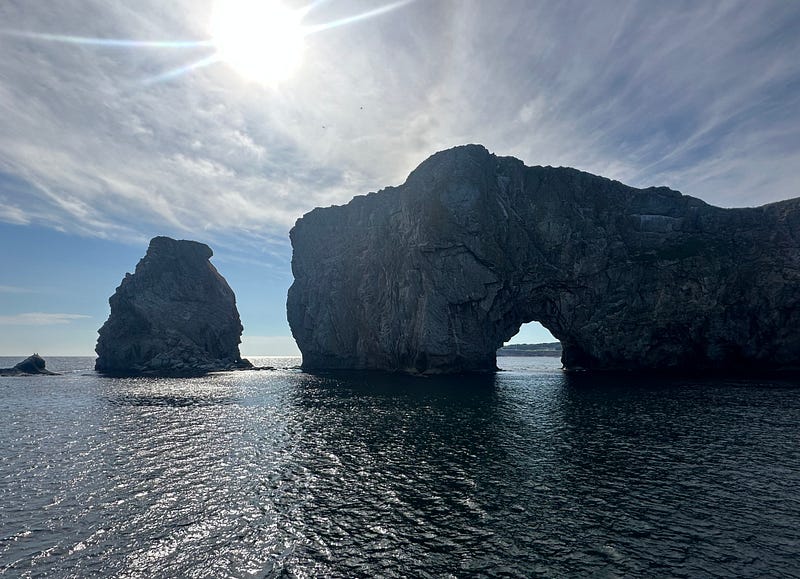
Driving up and down the coast, Perce Rock can be seen for miles. According to Wikipedia, it is 1421 feet long, 300 feet wide, and 289 feet high at its highest point. It was first seen by Jacques Cartier in 1534.
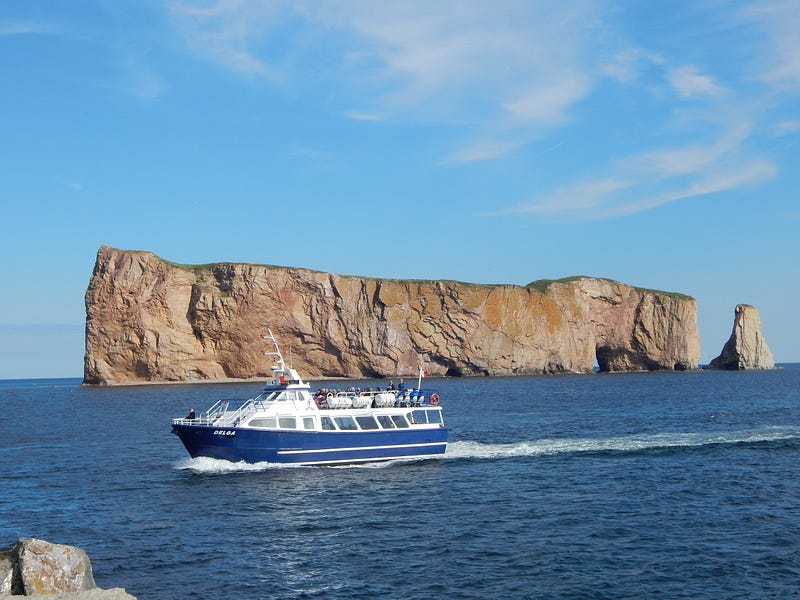
In the above article, I wrote that Perce Rock originally had 2 arches, with only one now remaining. The arch that collapsed was hit by lightning in 1845.
Next Stop: Bonaventure Island
I also noted in the above article how I was excited since Bonaventure Island is a bird sanctuary, and is part of a National Park in Perce.
The island was inhabited until 1971 by farmers who used sailboats in the summer and horse-drawn sleds in the winter to reach the mainland. At that time the 35 families living there had to leave as the island was acquired by the Province of Quebec. According to the narration on the boat, the island had no water, electricity, or telephones.
The island is home to more than 280,000 birds and together with Perce Rock, became a National Park in 1985.
From A Distance The Island Looked Like a Giant Beehive
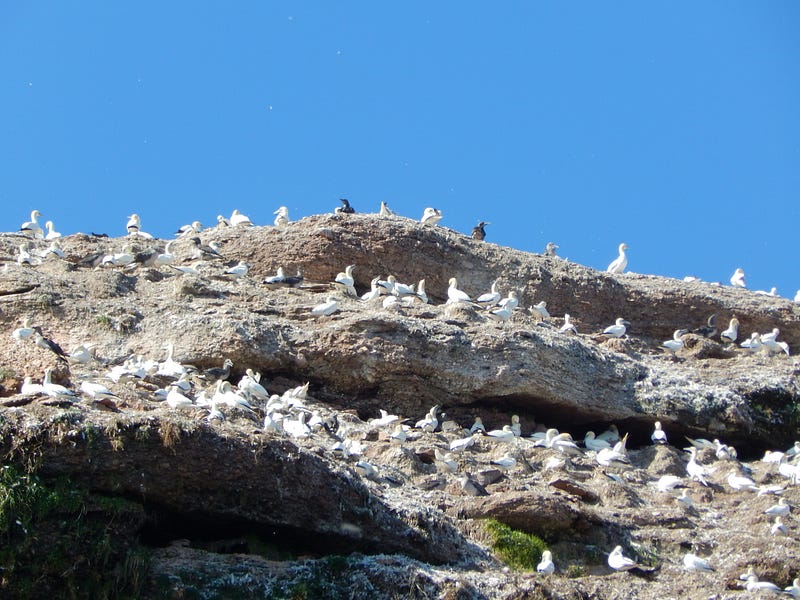
As we approached the island, we could see birds swarming everywhere. We could also see birds diving into the ocean, hoping for fresh fish for a meal. Splashes everywhere. Most of the birds are Northern Gannets, which, according to the narration on the boat, can dive 30 feet down to catch fish! Simply amazing!
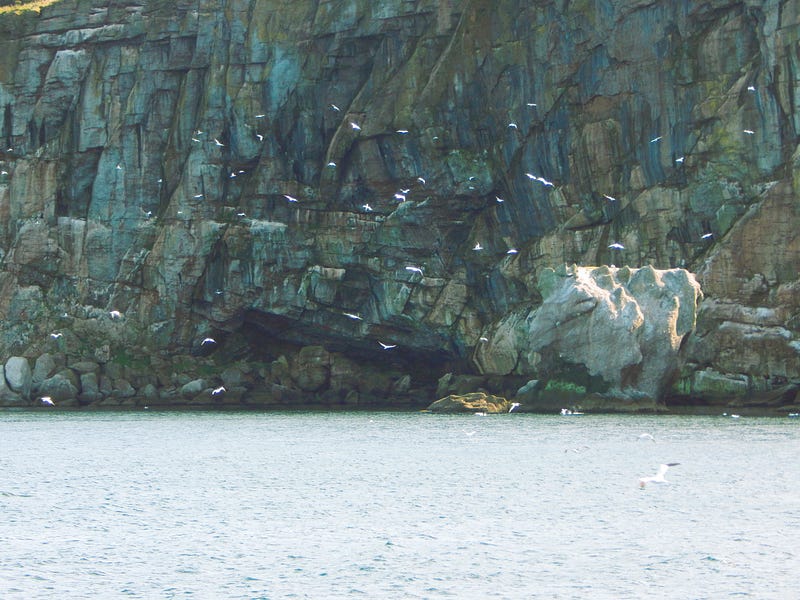
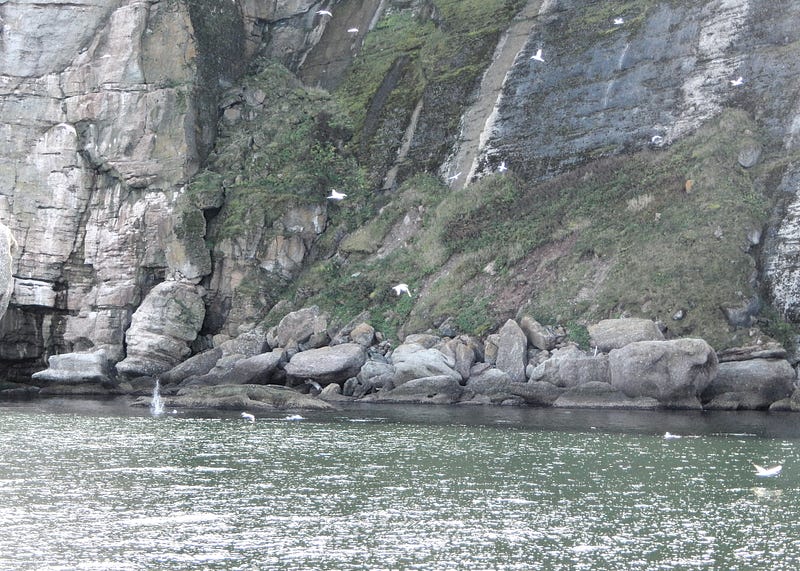
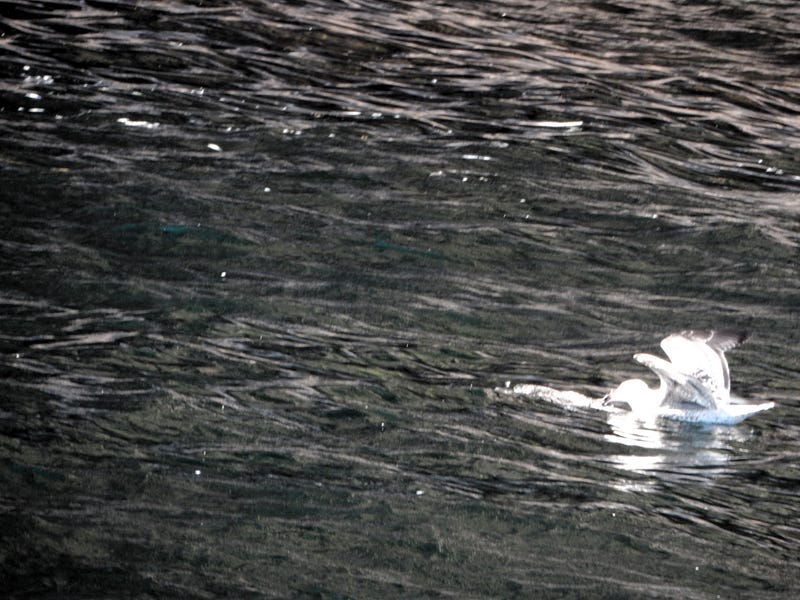
According to Wikipedia, the island has an area of 1.6 square miles and became a migratory bird sanctuary in 1919. To date, 218 bird species have been identified on the island; many are migratory, of course.
There are hiking trails on the island that lead fairly close to the bird colonies. I would love to return someday for the hiking, to get some close-up shots of the birds. The boat will let you off for hiking, if desired, and they return with the next tour to pick you up.
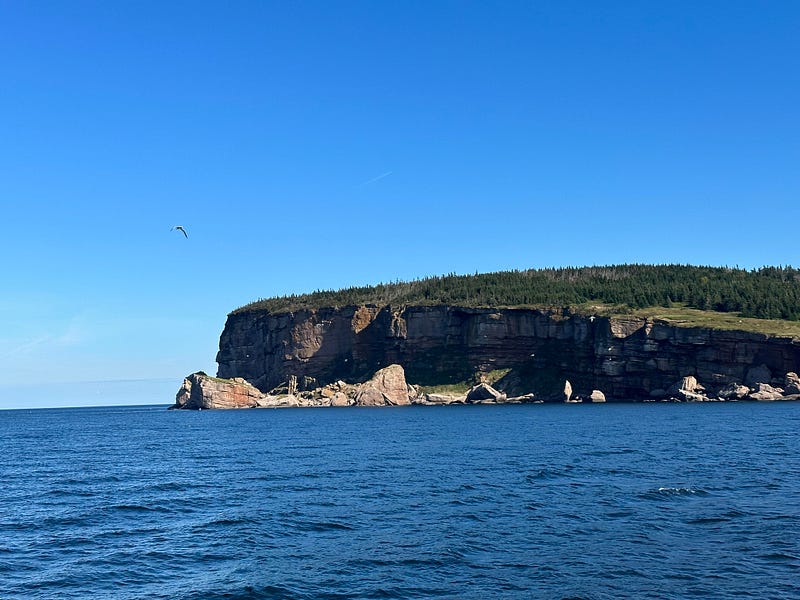
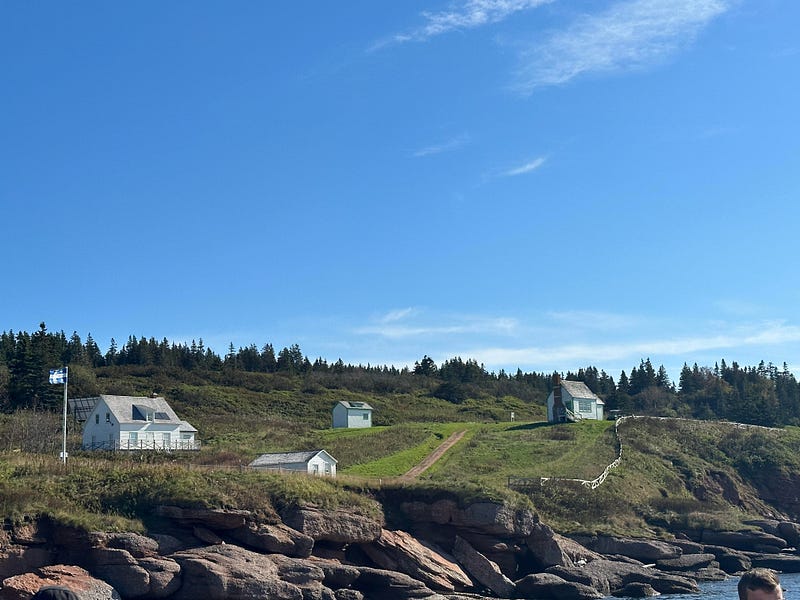
The Northern Gannet is the largest inhabitant, with over 50,000 pairs documented! They are literally everywhere.
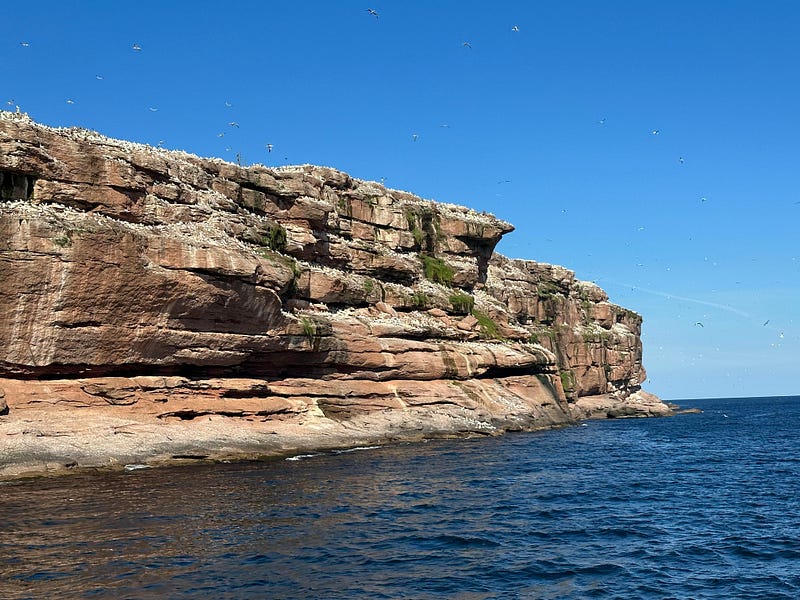
Other birds to observe there (depending on the time of year) include the black-legged kittiwake, common murre, terns, black guillemots, herring gulls, great black-backed gulls, razorbills, Leach’s storm-petrels, great cormorants, double-crested cormorants, Atlantic puffins, boreal chickadees, and blackpoll warblers.
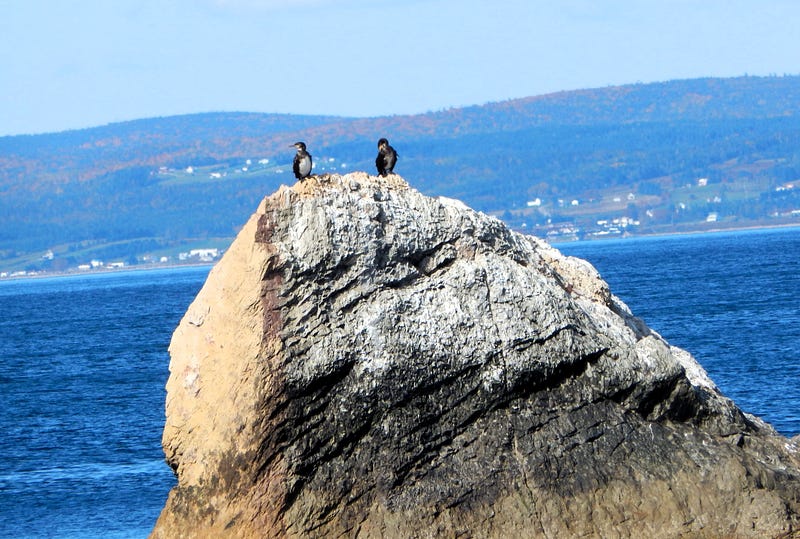
As expected, on our tour, we saw mostly Northern Gannets, also some gulls, and Great Cormorants. With a better camera and/or getting closer, these birds are striking:
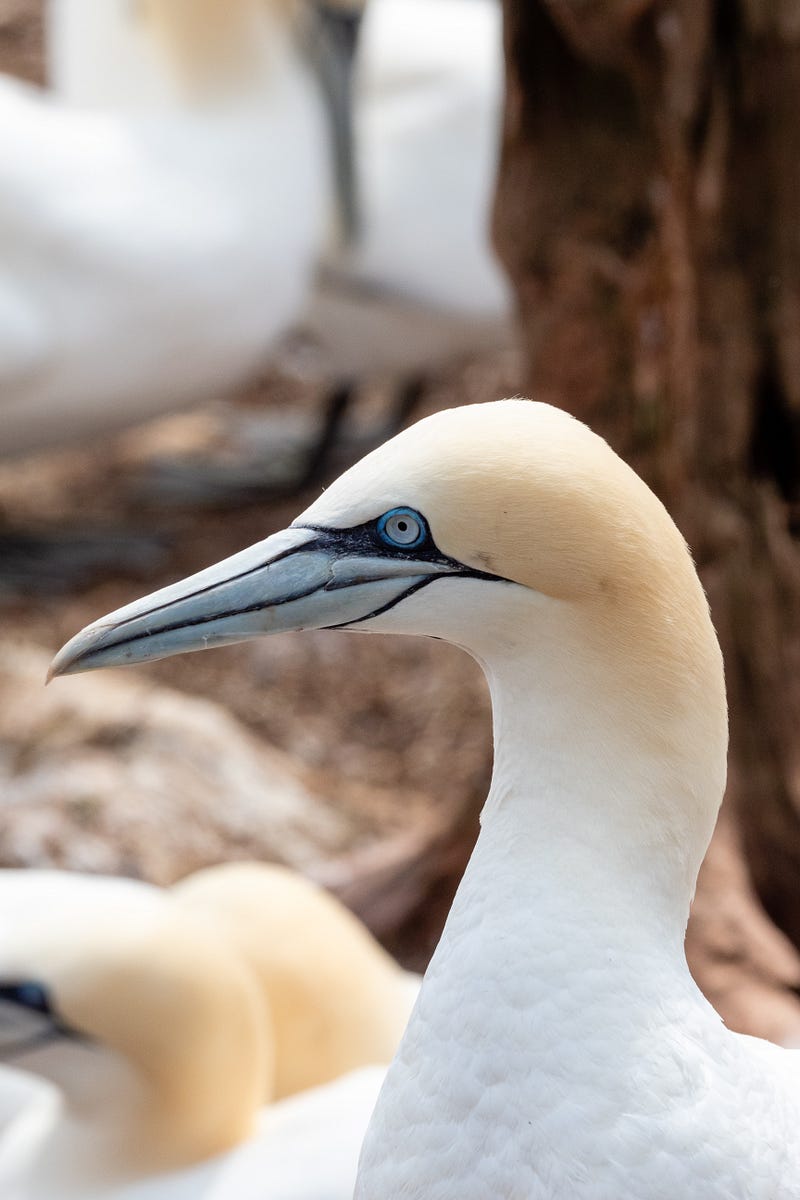
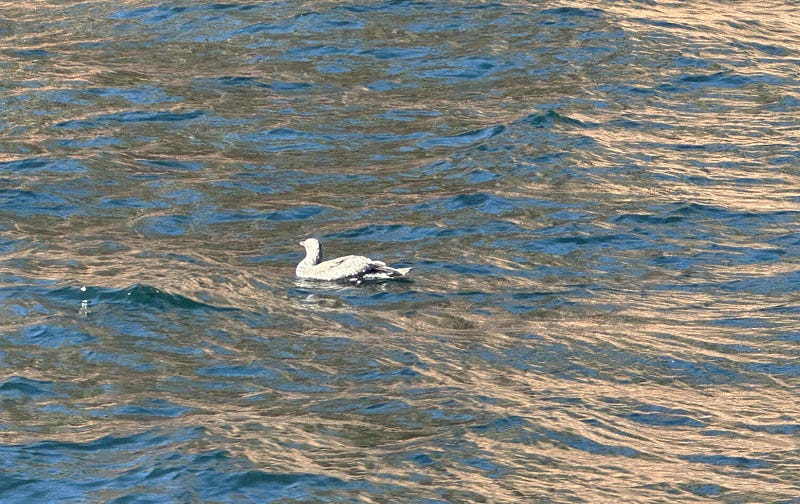
It was a beautiful Fall day for the tour, and it was amazing to be able to visit this special location. The tour lasted about an hour and a quarter. Definitely worthwhile. We even saw some immature Northern Gannets, which are too heavy to fly for a while.
Stay tuned.


