
The AI Act: the Future of Artificial Intelligence in Europe
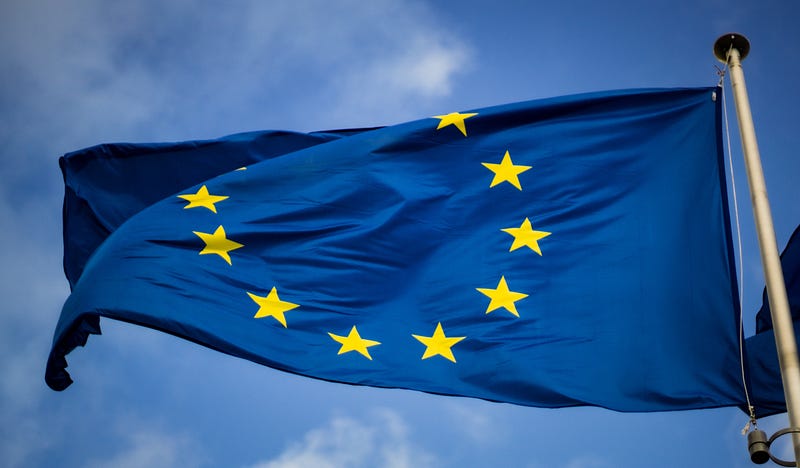
As artificial intelligence (AI) becomes more and more a tangible reality shaping our daily lives, the European Union (EU) is taking a pioneering step to legislate about AI.
Recognizing the transformative power of AI across various sectors — from healthcare to transport, manufacturing to energy — the EU’s digital strategy is now focused on ensuring AI’s safe, equitable, and sustainable development. The proposed AI Act by the European Commission in April 2021 marks a significant milestone in this journey; followed by the recent discussions and conclusions on December 2023, providing more detailed guidelines.
Understanding the AI Act
This proposal is poised to be the world’s first legal framework specifically targeting AI. It’s a blueprint that categorizes AI systems based on the level of risk they present, introducing a nuanced regulatory approach. This segmentation is crucial, as it acknowledges the diverse applications and implications of AI technologies.
At the same time, the AI Act seems to acknowledge the necessity to put a framework that is not too stringent and that might kill AI development and innovation within the EU.
AI Risk Categories: A Closer Look
Unacceptable Risk
Certain AI applications will be deemed too hazardous and thus banned. This includes manipulative AI that could endanger people, particularly vulnerable groups, and AI used for indiscriminate social scoring. A notable example is voice-activated toys that might promote harmful actions among children. However, some exceptions will exist, like “post” remote biometric identification systems used for serious crime investigations, subject to judicial oversight.
High Risk
This category addresses AI systems that could significantly impact safety or fundamental rights. It’s further divided into two subgroups: AI in products covered by existing EU product safety laws (like medical devices and cars) and AI in specific sectors like law enforcement and critical infrastructure management. These AI systems will face stringent assessment protocols both pre-market and throughout their lifecycle.
Generative AI Platforms like ChatGPT fall under this umbrella. They will need to adhere to transparency norms, ensuring users are aware of AI-generated content, averting the creation of illegal content, and providing insights into the data used for training these models.
Limited Risk
In this segment, AI systems are subject to minimal transparency requirements. Users should be informed about their interactions with AI, particularly in scenarios involving AI-generated or manipulated content, such as deepfakes.
European Parliament’s Vision for AI
The European Parliament’s stance on AI legislation echoes a desire for technology that’s not only innovative but also ethical and responsible.
The focus is on ensuring AI systems are safe, transparent, traceable, non-discriminatory, and environmentally sound. There’s an emphasis on human oversight over automation to prevent harmful outcomes.
Next Steps: The Road Ahead
The AI Act is not just a legislative document; it’s a roadmap for the future of AI in Europe. It represents a balanced approach, recognizing the transformative potential of AI while safeguarding fundamental rights and public interests. As the Act moves through the legislative process, it’s set to establish a framework that could become a global benchmark for AI regulation.
It is still too early to make a benchmark with what to expect in the US, following president’s Biden Executive Order on AI, but for now Europe is making this step forward as “first mover”, and with a balanced approach between Innovation and Safety.
The timeline will also depend on the talks with EU countries to decide on the final form of the law. To be continued …
Sources and Further Reading
[1] The Future of AI in Europe by Ahmed Fessi, https://readmedium.com/the-future-of-ai-in-europe-a-new-eu-regulation-on-the-horizon-b0ce8f9a4048
[2] The EU AI Act of April 21st, 2021, https://www.euaiact.com/
[3] EU AI Act: first regulation on artificial intelligence https://www.europarl.europa.eu/news/en/headlines/society/20230601STO93804/eu-ai-act-first-regulation-on-artificial-intelligence
[4] President Biden Issues Executive Order on AI, https://www.whitehouse.gov/briefing-room/statements-releases/2023/10/30/fact-sheet-president-biden-issues-executive-order-on-safe-secure-and-trustworthy-artificial-intelligence/
Feel free to share your thoughts about the EU AI Act, and AI in general!
If you want to learn about AI, join my best rated course, followed by 9k+ AI Enthusiasts)!
PlainEnglish.io 🚀
Thank you for being a part of the In Plain English community! Before you go:
- Be sure to clap and follow the writer️
- Learn how you can also write for In Plain English️
- Follow us: X | LinkedIn | YouTube | Discord | Newsletter
- Visit our other platforms: Stackademic | CoFeed | Venture