
The Afternoon That I Temporarily Lost My White Privilege
A story about being a white roadie for a South African reggae band.
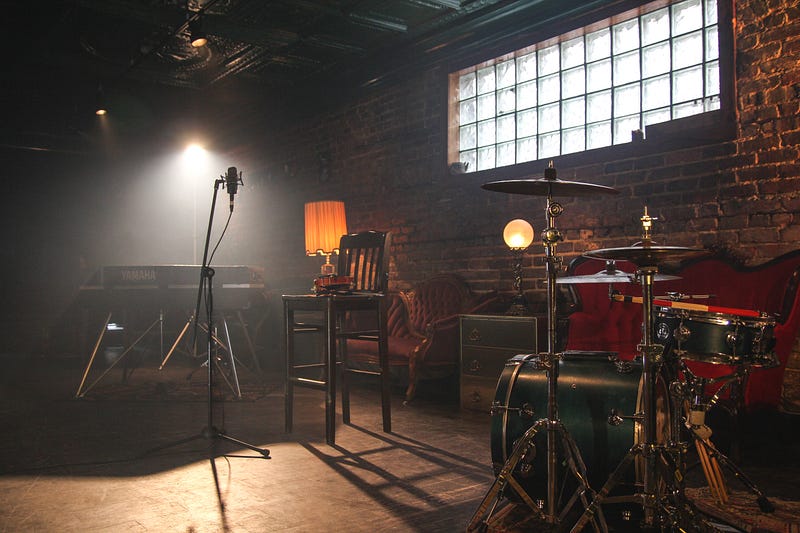
In my youth, I was a stagehand. I have spent many hours rigging shows, running a soundboard, working a spotlight, and loading and unloading hundreds if not thousands of trucks.
In 1991, I decided to experience life on the road with a band as equipment manager.
I was hired by a South African reggae band led by Lucky Dube for a North American tour.
That summer would change my life forever. You can read a more detailed account of that summer in a link provide at the bottom of this article.
Although we were touring the country I grew up in, in that bus and in many of the venues, I was the outsider.
I was a 23-year-old white American male working and living on a tour bus with thirteen black South African Zulus who had risen to fame throughout Africa and in many parts of the world as a reggae band. They did this despite having spent their entire lives held back by apartheid in South Africa.
The leader of the band, Lucky Dube, was a great man and I learned a lot from him. His music was about the evils of discrimination and the importance of working together.
I was amazed at what the band had endured and what they sang about. That summer changed my perspective on life.
One hot July afternoon, we had a show in Chicago at a downtown reggae club.
After battling Chicago traffic, the bus finally arrived at the venue, and I was excited to see that it was close to Wrigley Field. There was even a game that afternoon.
As I unloaded the gear from the bus, I was approached by a man scalping tickets.
“Need tickets?” he asked.
“No thanks,” I said,” I am with the band so I get in free.”
“No, to the Cubs game,” he replied.
“Oh, of course,” I said.
I thought about it. We were ahead of schedule; I could get the equipment set up and still have time to watch a little of the game before sound check.
“Sure,” I said, “I only need one ticket.”
We negotiated a price for a ticket all the way down to $10. This was bonus for me. I hadn’t intended on getting to see a Major League Baseball game this summer.
The tour bus left me with my pile of equipment and took the band and the crew back to the hotel.
I found my way into the venue with all the band gear that needed to be set up.
The venue was really a large bar, but it had a nice stage and was a good size.
Inside, I looked around for someone to connect with about procedures.
There was a bartender setting up behind the bar and a large man sitting at the bar doing paperwork. Both had dreadlocks down their backs. This was obviously a reggae club. That was good. Our reception at reggae clubs was usually pretty good.
I went to the man at the bar and stuck out my hand to introduce myself. He turned to look at me and went back to his paperwork. The club was not open yet and wouldn’t open for hours.
“Where should I set up?” I asked.
He looked at me and nodded towards the stage without saying a word.
Unflustered, I started hauling the equipment towards the stage.
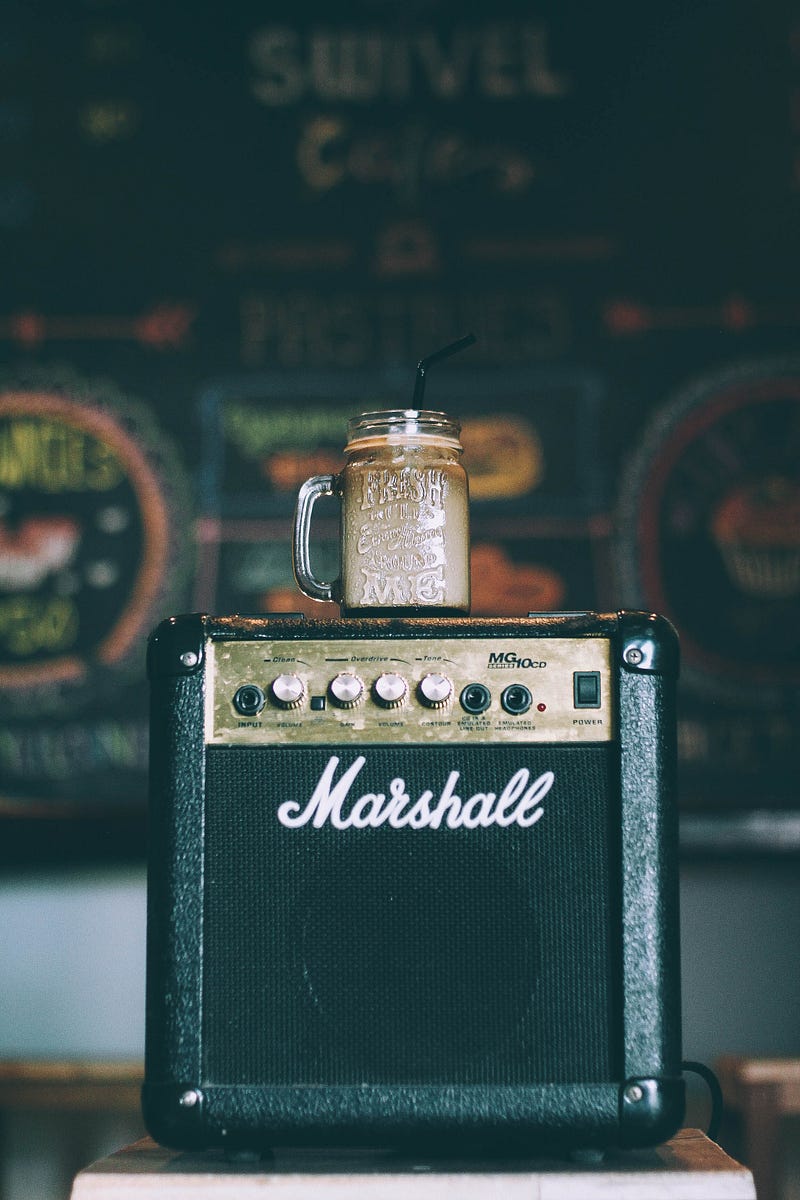
On stage, there was a guitar amp. Good, that was in our contract for the venue to supply.
I looked around for the bass rig that was also in the contract. A bass rig is basically an amp for the bass guitar. There wasn’t one anywhere in sight.
I was not worried. I had a lot of work to do.
I set up the drum set, the percussion, and the keyboards. I ran all the cables and the microphones.
I set it up in record time. I was going to be able to see more of the game than I had hoped.
I went back to the front of the bar and the man who had been doing paperwork was getting ready to leave.
“I just need a bass rig and I will be done,” I said to him.
Again, he didn’t respond.
“You are supposed to have a bass rig according to our contract. Do you have one?” I asked really starting to get annoyed.
He just walked out the door.
I turned to the bartender and said, “What is his problem?”
“He is just in a mood,” the bartender replied.
“Do you know where the bass rig is?” I asked.
“No, man, I just bartend here,” he went back to his work.
Exasperated, I went back on stage and tidied up my coils of cable and organized the empty boxes.
I could not leave the venue until it was set up.
I waited two full hours. Finally, Lucky’s personal manager showed up to see how things were going. His name was Richard, and he, like Lucky was also a South African Zulu. He had been with Lucky since the start of Lucky’s career. I liked Richard.
As I was explaining my problem to him, the door to the club opened and the man who had ignored me earlier saw Richard and came right up to him, hugged him, and said, “Welcome brother.”
He was jovial and laughed asking Richard about the tour.
Richard finally asked him about the bass rig.
“Sure,” he said and walked up on stage, unlocked a closet, and opened the door. The only thing in the closet was a bass rig.
I shook my head and went into the closet to get the equipment.
As Richard and the man left the stage, I heard him tell Richard, “Next time, leave the white guys at home.”
I was beyond livid. I set up the bass rig and was finally ready for sound check which would happen in less than an hour.
For the first time in my life, I truly felt what it was like to be discriminated against for the color of my skin.
I had missed the entire Cubs’ game for which I had purchased a ticket.
But it was more than just missing out on something I wanted to do.
I had not even been able to do my job because the man couldn’t get around how I looked.
It was an important lesson.
I did, however, have an escape from this discrimination.
I could walk out those venue doors and be back in the privileged world I had always known.
People who experience true racism do not have that option.
The crowd that night was great and received the band well.

The tour would continue across the U.S., into Canada and then down to the Virgin Islands and Jamaica. I met many wonderful people and was treated well in most places.
My experience in Chicago was an eye-opening afternoon for me. For a brief moment, I got to see life from a very different perspective, and it was uncomfortable and infuriating.
For me, it was irritating. For people who live that life every moment it can be hopeless and sometimes even deadly. We all need to step back and learn from some of Lucky’s lyrics. In the words of one of his most popular songs, we need to “come together as one.”
For more stories about my experience as a stagehand: