avatarMichael Rhodes

Free AI web copilot to create summaries, insights and extended knowledge, download it at here

3352

Abstract

an American down feather pillow instead.</p><p id="b372">In the other tatami mat room, we removed the tatami mats, stored them, and turned this room into a traditional American living room. The front room was the kitchen/dining area and bathroom. Our kitchen came with a sink, that’s it. We added a small refrigerator, hot plate, and toaster oven. We westernized it some. I added shutters to the front windows for privacy. One step out our front door, and you were on the street.</p><figure id="5a3d"><img src="https://cdn-images-1.readmedium.com/v2/resize:fit:800/1*MdcLl5FnwrikOqJ_JrFQUA.jpeg"><figcaption>Front of our Japanese home, Sandys with groceries and the kitchen area — Photo by Author Michael Rhodes</figcaption></figure><p id="5285">The bathroom was my favorite room in the house. The toilet was in a room all by itself, fully closed off with a door.</p><p id="6ae2">The best part was the tub. In Japanese, Ofuro, which means ‘bath,’ has always had significant importance in Japanese culture — to cleanse the body and soul. The ofuro is intended to relax and warm the body and is not meant for washing.</p><p id="b2e6">Our hot water in our Japanese house was an “on-demand” system instead of a tank system. Keep in mind this was 43 years ago. On-demand systems are just now replacing tank systems in the United States.</p><p id="4638">Our tub was so deep; you were floating and soaking away the day's stress. We had a separate hand-held shower used for actual cleaning; the tub was for soaking only. Moma San Susie told me that the order of soaking was Man of the house first, followed by oldest Son, next oldest son, and then the daughters; poor Moma San was last.</p><p id="8d11">But the order in our house was — wife first, always.</p><figure id="5325"><img src="https://cdn-images-1.readmedium.com/v2/resize:fit:800/1*isJbesIyMVRtpB5Z-BG65A.jpeg"><figcaption>Sandys having tea at a local business near our house — Photo by Author Michael Rhodes</figcaption></figure><p id="6f87">After work, we would frequent a local hang-out within walking distance from our home. A combination grocery store, restaurant, pachinko parlor, and beer garden. It was fun seeing the same people here every day. We would exchange bows when entering, and our neighbors would say in unison konnichiwa.</p><p id="0772">I’m not sure I ever got the art of bowing down correctly. The bow shows respect or humbleness in social interactions. <b><i>Eshaku</i></b> is a 15 degree bow to greet people of the same hierarchical level as you. <b><i>Keri</i></b>, is a 30 degree bow for greeting higher hierarchical, and <b><i>saikeirei</i></b> is a 45 degree bow reserved for very important people.</p><figure id="3691"><img src="https://cdn-images-1.readmedium.com/v2/resize:fit:800/0*EMTacJV4EcAzLCbh"><figcaption>Photo by <a href="https://unsplash.com/@susannschuster?utm_source=medium&amp;utm_medium=referral">Susann Schuster</a> on <a href="https://unsplash.com?utm_source=medium&amp;utm_medium=referral">Unsplash</a></figcaption></figure><p id="5966">We would play the Pachinko pinball machines — You could find them everywhere. Gambling was illegal, but you traded tickets for prizes — cigarettes were a big item. A kaleidoscope of colored lights and buzzing loudly created an after-work fantasy, and the competition was brutal between our neighbors. We bought a u

Options

sed Pachinko machine and brought it back to the States.</p><p id="e937">They also had little glass-topped tables with Space Invaders video games, which I frequently played while having a Sapporo beer. My wife loved the salads, an unusual soy-based dressing with sesame seeds.</p><figure id="e7f3"><img src="https://cdn-images-1.readmedium.com/v2/resize:fit:800/0*FBsGnhn7dW8Rg2r8"><figcaption>Photo by <a href="https://unsplash.com/@milkbox?utm_source=medium&amp;utm_medium=referral">Ryan Kwok</a> on <a href="https://unsplash.com?utm_source=medium&amp;utm_medium=referral">Unsplash</a></figcaption></figure><p id="c62d">We would order dumplings, noodles, and rice with chicken or pork. On weekends there was Karaoke. I was terrible, but Sandys was great. Usually, we sang Beatles songs. So many great memories and we both loved every minute of our time in Japan.</p><figure id="2840"><img src="https://cdn-images-1.readmedium.com/v2/resize:fit:800/1*EAC2nlxLKFZeBwqsYiQ9QA.jpeg"><figcaption>Bon Odori Festival in Atsugi Japan Summer 1980 — Photo by Author Michael Rhodes</figcaption></figure><p id="ee6d">Summer is the festival season in Japan, and one of my favorite festivals is Bon Odori. This festival is held yearly in August. Bon Odori means Hokkai Bon Dance; a traditional Japanese festival celebrated with dance and drum performances to welcome the homecoming of ancestral spirits.</p><p id="9108">The Navy Base would join in with the festival by having an open house where the community could come and visit the base. Sandys and I were members of the PhilAm club (Philippines and Americans group), and we would make and cook Yakatori sticks with chicken or pork and lumpia; these sold like hotcakes to raise money for charities. It was a lot of work, but we had a blast and made many friends.</p><figure id="5afb"><img src="https://cdn-images-1.readmedium.com/v2/resize:fit:800/1*MlUCkn_CfzpPAmjRXft1Pg.jpeg"><figcaption>A much younger me, one of the lakes a few miles from Atsugi, Japan — Photo by Author Michael Rhodes</figcaption></figure><p id="01c3">We made so many friends during our time in Japan. Chuck, Susan, Larry and Chico were our closest friends and all four were present as we packed up for the trip to the airport to leave Japan. We keep in touch with some and lost touch with others. But Japan will always be some of my happiest memories.</p><p id="0eed">I will be talking more about Japan in future alphabets, “T” for Tokyo and “Y” for Yokohama come to mind. For now, thanks to Adrienne Beaumont for the challenge. It brought back so many great memories as I was writing this.</p><p id="092e"><b><i>Sayоnara for now.</i></b></p><p id="2fd1">Below is a link to my Bonsai Story, should you be interested.</p><div id="d447" class="link-block"> <a href="https://readmedium.com/bonsai-beautiful-or-tortured-df56ca25941c"> <div> <div> <h2>Bonsai — Beautiful, Or Tortured?</h2> <div><h3>My Trident Maple Bonsai tree, Japan, and random thoughts.</h3></div> <div><p>medium.com</p></div> </div> <div> <div style="background-image: url(https://miro.readmedium.com/v2/resize:fit:320/1*PxC2e6LiYwxdQQhR9EOIsQ.jpeg)"></div> </div> </div> </a> </div></article></body>

The A-Z of My Favorite Travel Destinations — Atsugi, Japan

Letter “A” for me is Atsugi, Japan — where I lived for two years. Sandys and I were newlyweds and living a dream.
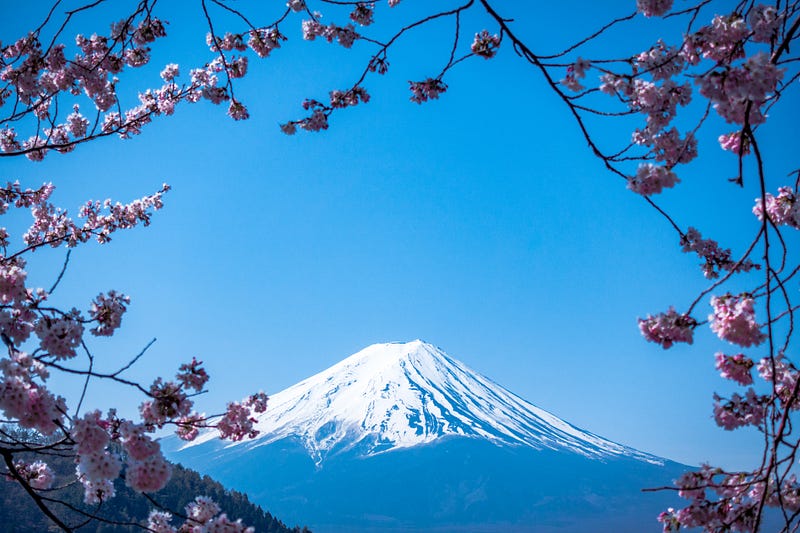
Photo by JJ Ying on Unsplash

I accepted the A-Z of my favorite travel destinations challenge from Adrienne Beaumont. Twenty-six articles on Travel, very ambitious indeed. But I think I’m up to the challenge, and I even have something in mind for letter Z.

The link above is Adrienne’s latest Article about Kyoto, which is fantastic; check it out. So she is up to letter K, with eleven articles completed. I have some catching up to do.

My wife and I lived in Atsugi, Japan, when I was stationed at the Naval Air Station of the same name. It was a fantastic time for us. We were newlyweds and having the time of our lives — many fond memories.

We lived in a Japanese house in the community the first year and then moved to a high-rise on-base for the remainder of our time in Japan. We loved living in our small Japanese house and debated about moving on base, but our Japanese house had no heat and no a/c. The winters in the Kanto Plains were cold, and summers were hot and humid.

Our landlord was Moma San Susie (Susie was not her name, but that is the name everyone used). She was one of the contractors that worked with me. The most pleasant lady, always bringing us excellent Japanese snacks and little Japanese gifts wrapped so nicely you hated to unwrap them.
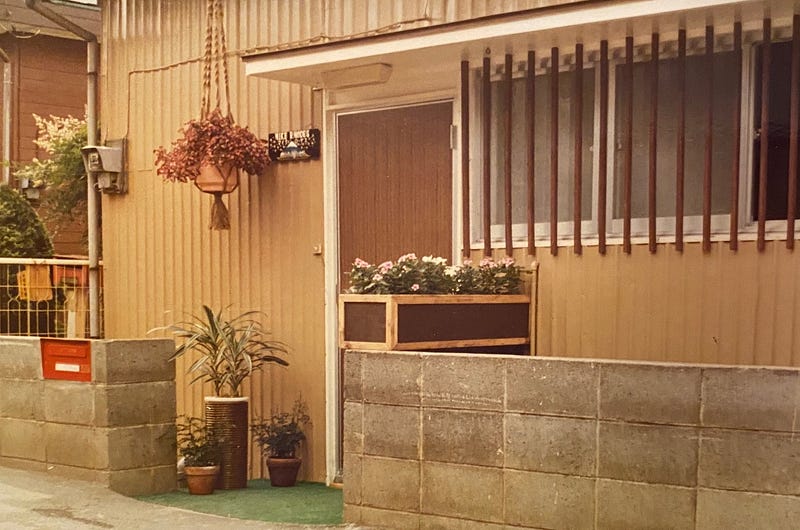
Front of our Japanese home in Atsugi, Japan — Photo by Author Michael Rhodes

We had four rooms; the two rooms at the back of the house were eight tatami mats in size. Rooms are measured by how many Tatami mats fit on the floor. Japanese tatami mats are soft underfoot and have a pleasant woody fragrance. This is one of the main reasons you take off your shoes when entering. These rooms would be considered Shoin-zukuri, with coffered ceilings, shoji screens, and tatami floors.

We used one room for the bedroom with traditional Japanese bedding. A Shikifuton (or mattress) and a kakebuton (the duvet), and topped off with a buckwheat hull pillow. We switched the buckwheat pillow and used an American down feather pillow instead.

In the other tatami mat room, we removed the tatami mats, stored them, and turned this room into a traditional American living room. The front room was the kitchen/dining area and bathroom. Our kitchen came with a sink, that’s it. We added a small refrigerator, hot plate, and toaster oven. We westernized it some. I added shutters to the front windows for privacy. One step out our front door, and you were on the street.
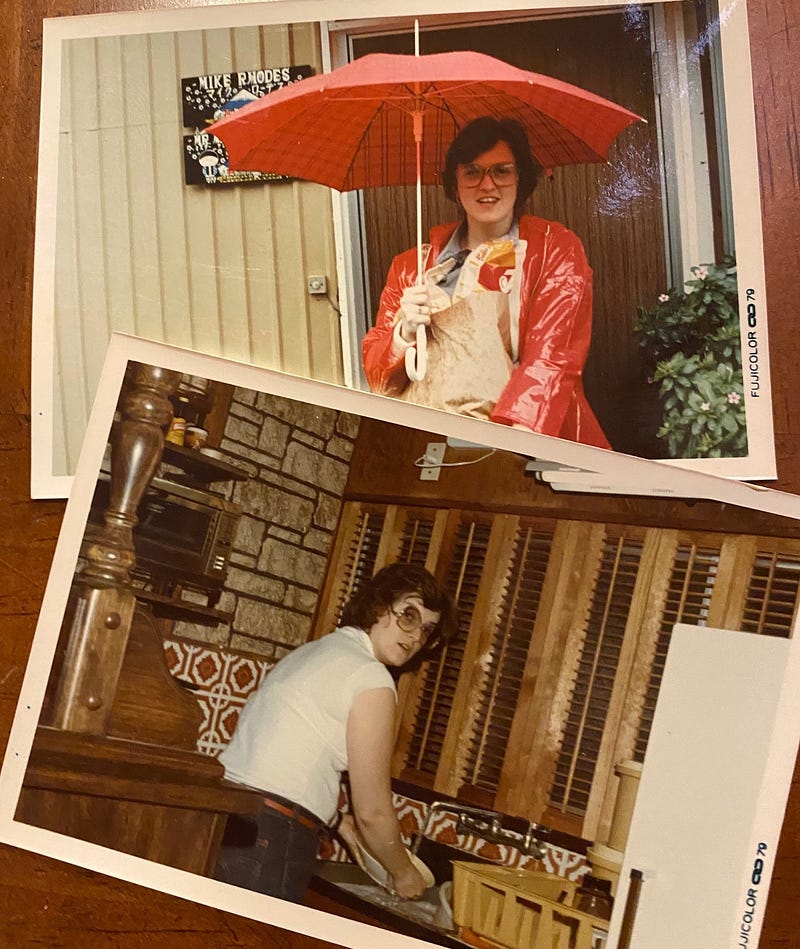
Front of our Japanese home, Sandys with groceries and the kitchen area — Photo by Author Michael Rhodes

The bathroom was my favorite room in the house. The toilet was in a room all by itself, fully closed off with a door.

The best part was the tub. In Japanese, Ofuro, which means ‘bath,’ has always had significant importance in Japanese culture — to cleanse the body and soul. The ofuro is intended to relax and warm the body and is not meant for washing.

Our hot water in our Japanese house was an “on-demand” system instead of a tank system. Keep in mind this was 43 years ago. On-demand systems are just now replacing tank systems in the United States.

Our tub was so deep; you were floating and soaking away the day's stress. We had a separate hand-held shower used for actual cleaning; the tub was for soaking only. Moma San Susie told me that the order of soaking was Man of the house first, followed by oldest Son, next oldest son, and then the daughters; poor Moma San was last.

But the order in our house was — wife first, always.
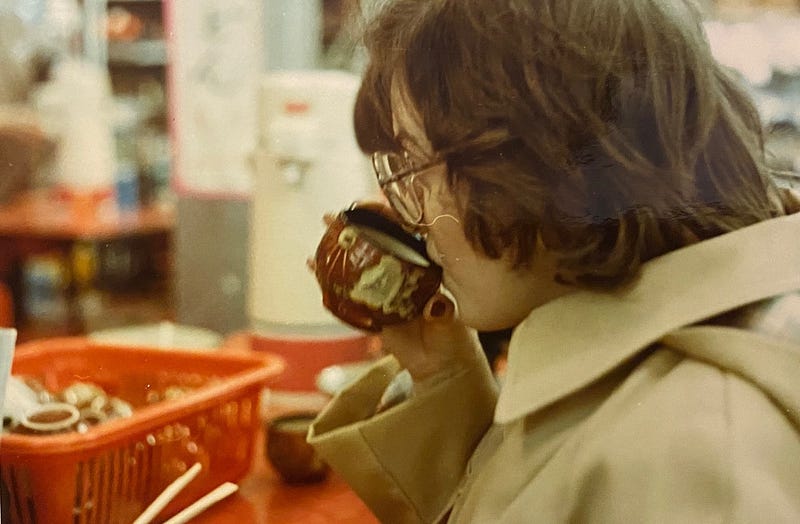
Sandys having tea at a local business near our house — Photo by Author Michael Rhodes

After work, we would frequent a local hang-out within walking distance from our home. A combination grocery store, restaurant, pachinko parlor, and beer garden. It was fun seeing the same people here every day. We would exchange bows when entering, and our neighbors would say in unison konnichiwa.

I’m not sure I ever got the art of bowing down correctly. The bow shows respect or humbleness in social interactions. Eshaku is a 15 degree bow to greet people of the same hierarchical level as you. Keri, is a 30 degree bow for greeting higher hierarchical, and saikeirei is a 45 degree bow reserved for very important people.
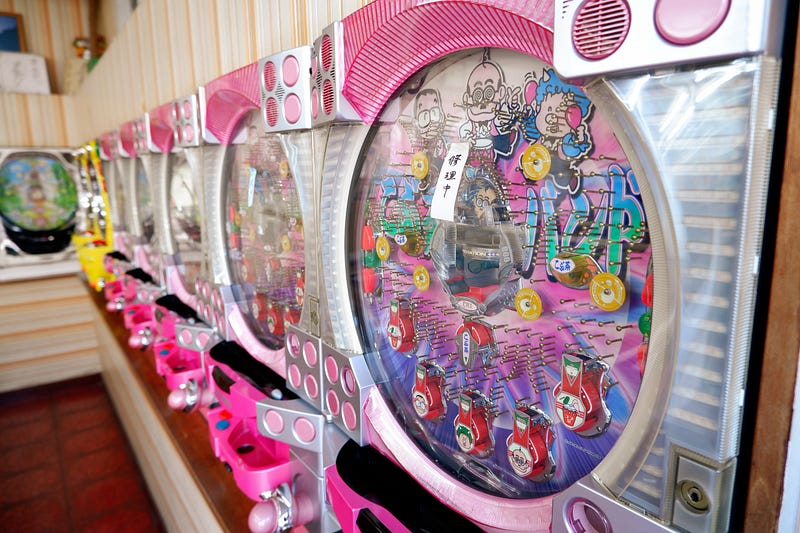
Photo by Susann Schuster on Unsplash

We would play the Pachinko pinball machines — You could find them everywhere. Gambling was illegal, but you traded tickets for prizes — cigarettes were a big item. A kaleidoscope of colored lights and buzzing loudly created an after-work fantasy, and the competition was brutal between our neighbors. We bought a used Pachinko machine and brought it back to the States.

They also had little glass-topped tables with Space Invaders video games, which I frequently played while having a Sapporo beer. My wife loved the salads, an unusual soy-based dressing with sesame seeds.
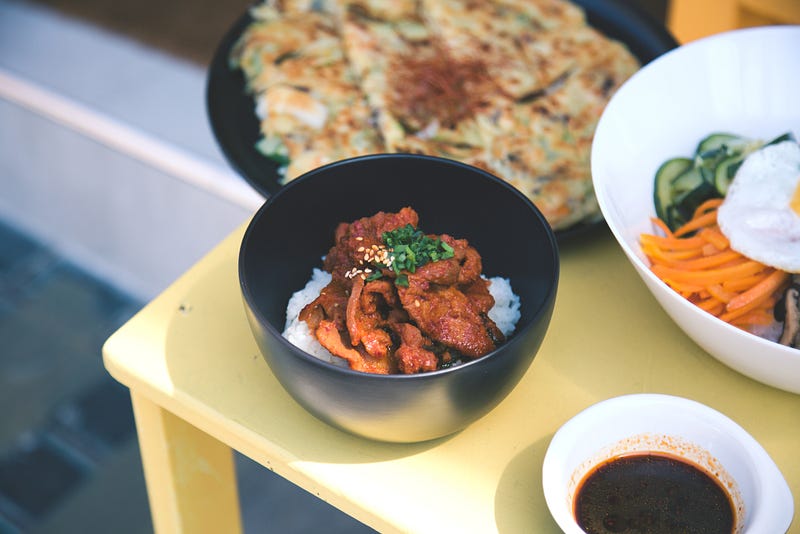
Photo by Ryan Kwok on Unsplash

We would order dumplings, noodles, and rice with chicken or pork. On weekends there was Karaoke. I was terrible, but Sandys was great. Usually, we sang Beatles songs. So many great memories and we both loved every minute of our time in Japan.
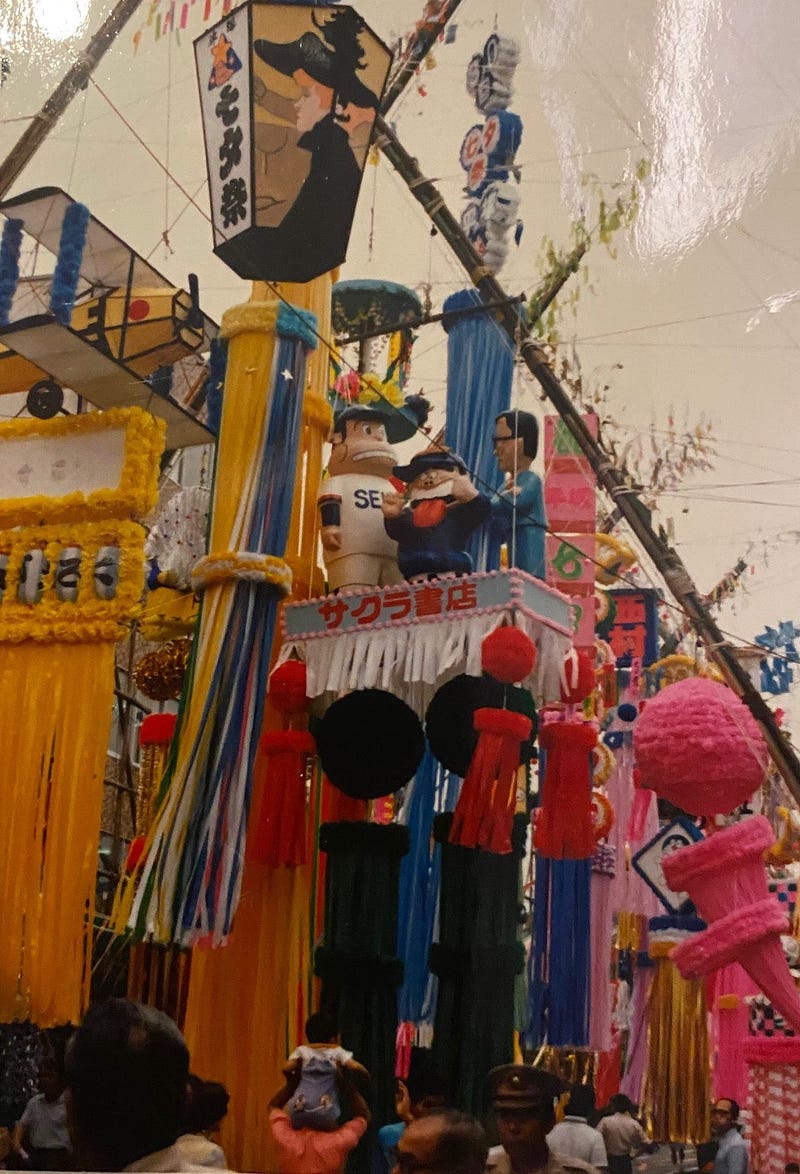
Bon Odori Festival in Atsugi Japan Summer 1980 — Photo by Author Michael Rhodes

Summer is the festival season in Japan, and one of my favorite festivals is Bon Odori. This festival is held yearly in August. Bon Odori means Hokkai Bon Dance; a traditional Japanese festival celebrated with dance and drum performances to welcome the homecoming of ancestral spirits.

The Navy Base would join in with the festival by having an open house where the community could come and visit the base. Sandys and I were members of the PhilAm club (Philippines and Americans group), and we would make and cook Yakatori sticks with chicken or pork and lumpia; these sold like hotcakes to raise money for charities. It was a lot of work, but we had a blast and made many friends.
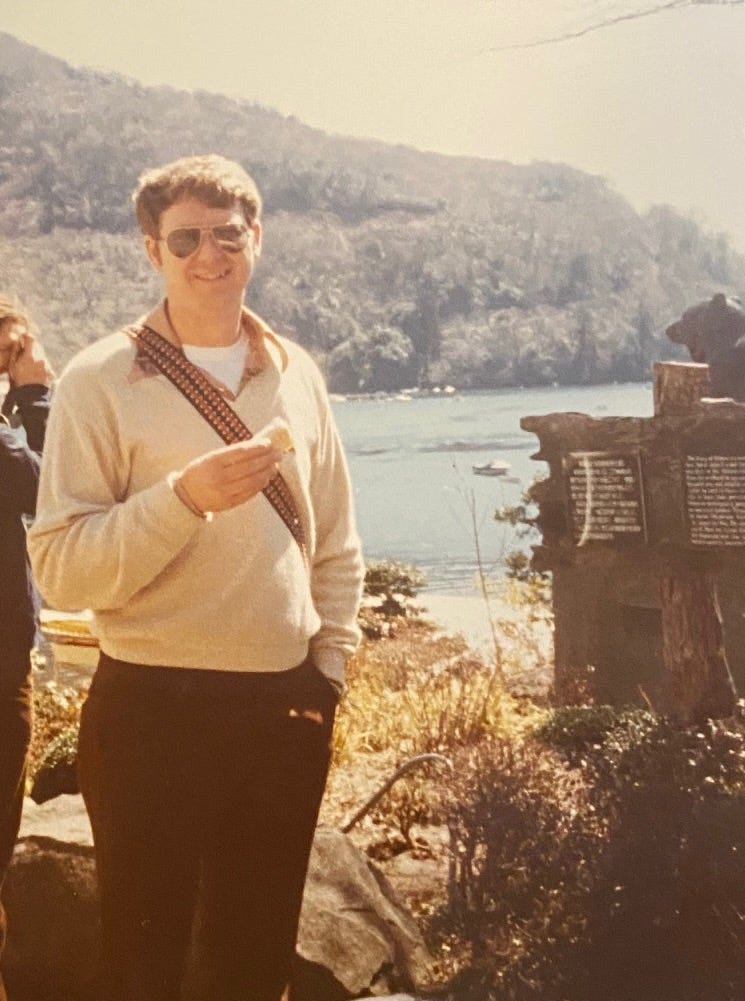
A much younger me, one of the lakes a few miles from Atsugi, Japan — Photo by Author Michael Rhodes

We made so many friends during our time in Japan. Chuck, Susan, Larry and Chico were our closest friends and all four were present as we packed up for the trip to the airport to leave Japan. We keep in touch with some and lost touch with others. But Japan will always be some of my happiest memories.

I will be talking more about Japan in future alphabets, “T” for Tokyo and “Y” for Yokohama come to mind. For now, thanks to Adrienne Beaumont for the challenge. It brought back so many great memories as I was writing this.

Sayоnara for now.

Below is a link to my Bonsai Story, should you be interested.

Globetrotter
Travel
Japan
Japanese
Trip
Recommended from ReadMedium