The 5 Most Deadly Drugs Your Child May Be Using
In this post, I’m going to discuss five of the most deadly drugs your child could be using today

Identifying the signs that your child is using dangerous, illicit drugs is not always easy.
The Terrifying Statistics
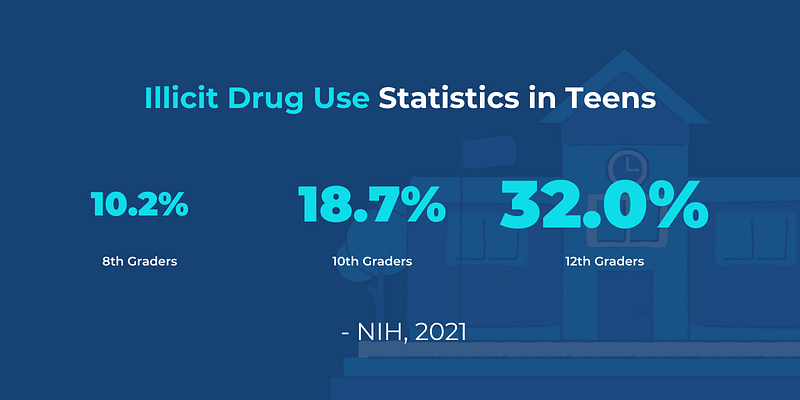
According to a 2022 study, drug overdose deaths in children and teens doubled between the years 2010 through 2021.
If you observe an immediate and rapid drop in your teen’s grades, lack of interest in social interaction and erratic behavior, it is possible that your child is using or abusing illegal drugs.
Substance abuse among teenagers is on the rise and drugs are cheap and easily accessible.
What was once considered an activity that very few adolescents and young adults participated in has become more commonplace among teens, particularly those who are of high school age.
Please read carefully as every one of these drugs can be deadly, one of which can cause sudden death.
1. Marijuana — Not Your Grandma’s Drug Anymore
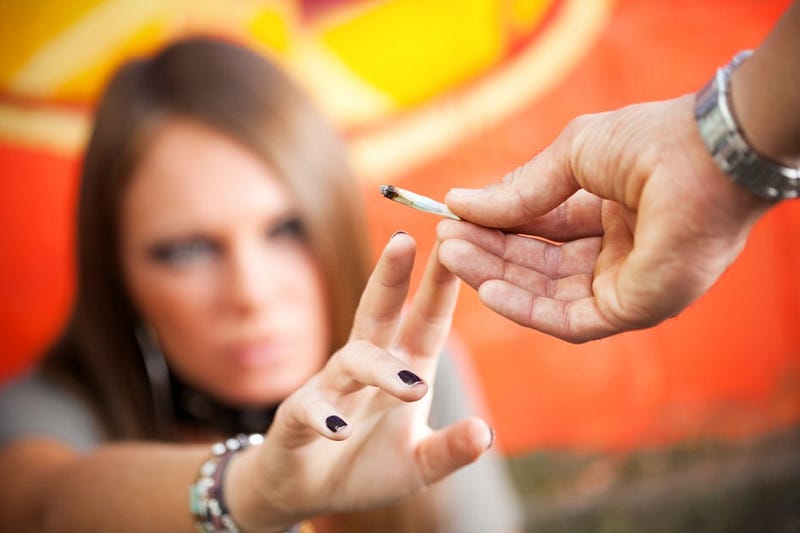
As laws related to the possession of small quantities of marijuana are becoming less restrictive and carry smaller penalties, the availability of the drug is growing.
In fact, many states have now decriminalized or outright legalized possession of quantities consistent with personal use.
The scary part is that street-level marijuana dealers, including your teen’s friends and schoolmates, are distrusting the drug that is laced with much more dangerous substances.
Teens are dying from using marijuana that is laced with heroin and fentanyl, two very dangerous and potentially deadly drugs.
In 2021, fentanyl was involved in over 75% of drug-related deaths.
With fewer legal consequences associated with possession of marijuana and smoking devices, teens are more likely to experiment with the drug or allow friends to carry it into their homes or vehicles.
Marijuana has an unmistakable odor and can it be easily distinguished from the smell of tobacco products.
The odor of burnt marijuana tends to be absorbed by fabric and clothing.
The smell is often detectable for days after smoking inside of vehicles and on clothing.
If a parent or teacher suspects a teen is using marijuana, drug testing will confirm the presence of its compounds, primarily THC, in the body.

2. Cocaine and Amphetamines
Teens who abuse cocaine and amphetamines can become addicted to the substances very easily.
The drugs give users a sense of euphoria and energy and can be snorted or smoked.
As teen and young adult users of cocaine and amphetamines continue to abuse the drugs, rapid and noticeable changes in their appearance may occur.
Weight loss, tooth decay, and poor personal hygiene are common among abusers.
3. Ecstasy — The Ultimate Club Drug
Ecstasy is most referred to as a “club drug” because of its prevalence in dance clubs and rave culture.
However, ecstasy, or MDMA, is also known as X or Molly, and it’s gaining popularity among teens as a means of experiencing a sense of euphoria.
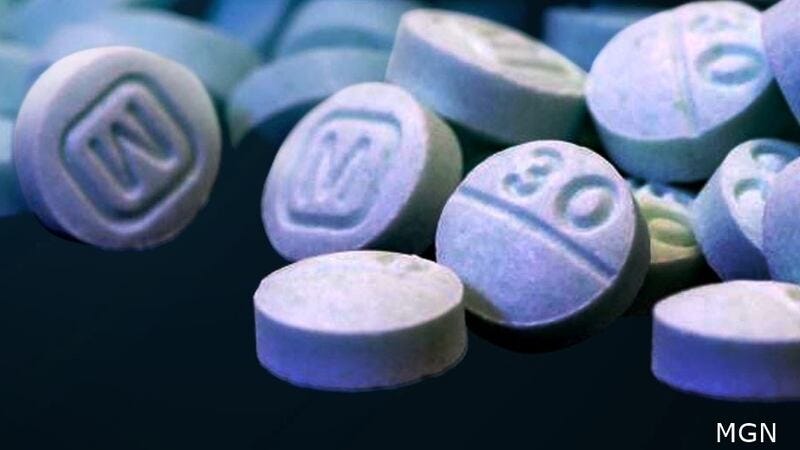
The drug most commonly takes the form of a small tablet, about the size of an aspirin.
Manufacturers and distributors mark the tablets with an identifiable symbol, such as a Mitsubishi logo.
These tablets are often passed off as vitamins or candy by teenage users.
Teens who use ecstasy experience an intense feeling of euphoria accompanied by the desire to be physically close to others.
Regular use of the substance can lead to severe depression and irreversible brain damage.
Drug testing is often the best means to confirm that your child is using this drug.
When teenagers use ecstasy, especially while drinking alcohol, severe physical and medical consequences can occur.
I’ve written about the potentially deadly combination in the article below:

4. Alcohol
Illicit drugs and narcotics are not the only substances that teens are experimenting with and abusing.
Alcoholic beverages are readily available and penalties for underage possession and consumption of alcohol are relatively mild.
Binge drinking at teenage parties is not only against the law; it’s dangerous and can be deadly.
Binge drinking is not necessarily associated with alcoholism or dependence but greater frequency and quantity of alcohol consumption can be indicative of an alcohol problem.
Sometimes drinking large quantities of alcohol, especially hard liquor, in a short period of time can lead to organ toxicity, coma, or death.
Unlike many other intoxicating substances, alcohol is easily detectable.
When alcoholic beverages are consumed, a distinct odor can be detected on the drinker’s breath.
Often, the person’s eyes appear glassy and bloodshot, and their speech can become slurred.
When these indicators are present in a teenager, it is likely that he or she is under the influence of alcohol.
I’ve written extensively about alcohol’s negative impacts on the body, including the articles below.
5. Heroin is Killing Teenagers
Heroin is one of the most addictive and dangerous drugs that are circulating on the streets and in our schools today.
Whether they intend to or not, teens and young adults are using heroin laced with the strong opioid fentanyl, which can cause immediate death, coma, or permanent brain damage.
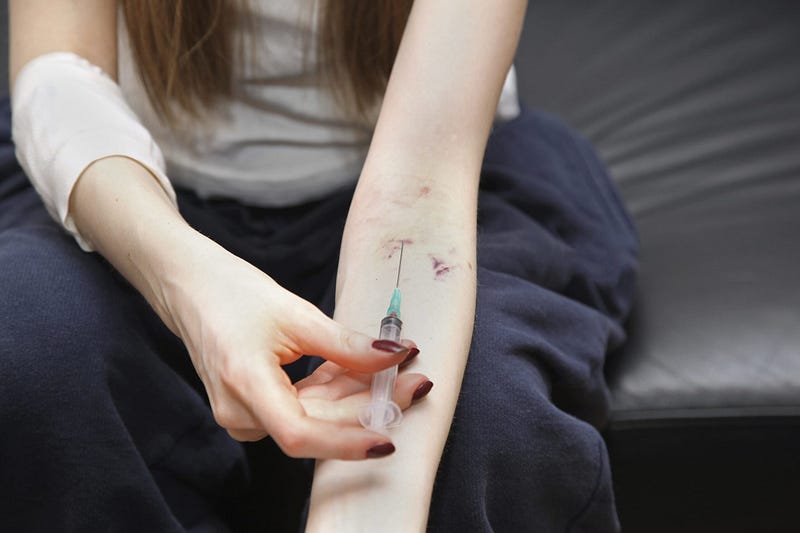
Heroin can be snorted, smoked or injected intravenously.
Initially, users may snort a powder form of the drug then graduate to injecting it with hypodermic needles.
Intervention must occur early to prevent the progression of the frequency and method of opioid use.
For personal use, heroin is generally purchased and used in small quantities, therefore noticing its presence in the home or within personal property can be difficult.
The powder form of the drug is most commonly light brown in color.
It is typically stored by users in small plastic bags, vials, or inside of folded paper.
Pay Attention and Take Action Now
When looking for evidence of drug or alcohol abuse in your teenager, you should strongly consider the indicators and the potentially deadly consequences that I’ve discussed above.
If you suspect your teen is abusing dangerous, illegal drugs, you can confirm your suspicions through lab testing or using at-home drug detection products.
When it comes to teenage substance abuse, it is best to identify the problem early through observation, testing, and implementing rapid and aggressive intervention measures.
Thank you for reading this important post.
You can also find me here on Twitter/X, where I share my work and the work of my fellow writers, authors and Medium contributors.