
The 3 Ultimate Key Factors to a Successful Side Hustle
This Japanese DJ and radio host Jimmie Soul shows how to turn your passion project into a successful business.

Today, many of us juggle 2 or 3 jobs to make ends meet. In 2020, the average Japanese income was ¥4.3 million—$34k, lower than in the 1990s.
Even with inflation increasing, our salary doesn’t get a raise. It’s understandable that people start a second job to fill the gap between their income and soaring living expenses.
In 2021, 35% of Japanese companies allowed their employees to have a second job. Among these open-minded organizations, 24% implemented this policy in 2019 or later. With the lingering pandemic, remote work is causing the trend to accelerate.
So, what should we do to earn money outside the corporate world and make our lives meaningful with our second jobs?
I asked the very talented DJ, radio host, office worker, and a friend of mine, Jimmie Soul, how he developed his amazing parallel career.
日本でも副業が一般的になってきた。平均給与が90年代よりも低い433万円と言われる中、副業を認める企業は未だ35%だが、2019年以降コロナの影響もあり増えてきている。 では我々は、どんなセカンドキャリアなら実際に稼いで、なおかつやりがいを見出せるのだろうか。会社員でありながら才能豊かなDJでラジオ番組の司会も務める、友人のJimmie Soulに話を聞いた。
1. Follow Your True Passion
Jimmie wears two hats—one as a ‘salaryman’ at a Japanese company and the other as a DJ and radio host.
Born and raised in Japan, soul music has been his passion ever since he heard songs covered by his favorite rock bands. He started his career as a DJ in his teens and built a solid reputation in the Tokyo club scene.
Nevertheless, in his mid-20s he moved back to his hometown in Kagawa. It isn’t uncommon for the oldest son to live with his parents in Japan. The prefecture on Shikoku Island is known for its sunny weather, olive oil, the artwork of Yayoi Kusama, and most of all — udon.
After returning to Kagawa, Jimmie stopped spinning at clubs. He didn’t want to be half-hearted with music and needed some distance.
Instead, while working for a Japanese company, he picked up a futsal ball and built a team when nobody in Kagawa was familiar with futsal. His team won the futsal tournament on Shikoku and proceeded to the All Japan Futsal Championship.
Yet, his fondness for music never diminished. In his 30s, he returned to the music scene to move to the next chapter with his true passion—soul music—and started over again.
早くからソウルミュージックに魅せられたJimmieのDJとしてのキャリアは、10代から始まった。しかし東京での活動に区切りをつけ20代半ばで香川に戻った後は、中途半端にしたくないという想いもあり、一時音楽から離れたという。 その後まだ香川でフットサルが無名だった頃、会社員として働く傍らチームを立ち上げる。四国大会で優勝、全国大会へと進んだが、ソウルミュージックが彼の中で鳴り止むことはなかった。30代になり、彼は再び音楽と向き合うことになる。

2. Market Yourself Smart
You may think DJs are only for club music and party people who tear off the roof with upbeat music. However, Jimmie is the opposite.
His name comes from the Japanese word jimi (地味, plain and low-key) because he loves laidback beats. Even at club events, he specializes in mellow, slow-beat soul music. In fact, when he was actively DJing, he usually appeared last to provide a relaxing time to chill.
Most DJs are dedicated to shutting clubhouses down with excitement, but there are not many competitors when it comes to slow music.
Jimmie took this advantage of this blue ocean and kept introducing records from independent labels. Thanks to his long relationships with many musicians and producers, his mix CD gradually became popular.
In 2016, he got an opportunity to play music for a Christmas program on Nishinippon Broadcasting. The radio producer liked the concept of introducing untapped slow music. Next year, Jimmie officially started his show—Jimmie Soul Radio every Thursday.
Jimmieという名前からは、地味なソウルミュージックに特化したDJという戦略的な意図が伺える。場を盛り上げるためのDJが大多数な中、実際これまでもクラブで最後に出てきて、メロウな曲をかけることが多かったそうだ。 そのコンセプトは徐々に支持を広げ、オリジナルのCDが売れるようになる。そして2016年のクリスマス特番への出演をきっかけに、ついには西日本放送ラジオで Jimmie Soul Radioとしてレギュラー番組を持つことになるのだ。
3. Build Network That Grows You and Be Responsible
Jimmie still manages parallel careers, but hiding that he’s a radio host isn’t easy because everyone listens to the radio daily. In the taxi, at the mall, even at the udon restaurants.
His employer never specified that having a second job is acceptable, but his superiors closed their eyes to Jimmie’s side hustle when he reported it to them.
English skills also helped him boost his capabilities as a DJ. In addition to his regular radio program, Jimmie started an all-English podcast named Jimmie & Maxwell Show after studying the second language for three years—partly because podcasts offer wider accessibility across the country. (His radio show’s listeners who live outside Kagawa need to subscribe to the app, Radiko for ¥380 per month — $3.)
To grow his listeners across Japan, he has been taking proactive action. One of his strengths is attracting artists and key influencers with his charm. He asks directly for comments from independent label musicians and other DJs and plays them on his show.
He has even produced a song with a Japanese band called Windy as a year-long project and designed a record jacket for Johnny Ruiz & The Escapers.
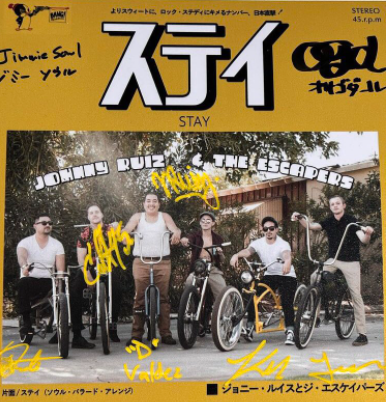
Now, his goal is to go on a DJ tour and host another radio show in the U.S to disseminate the music and artists he admires. With genuine passion, strategic marketing, and a nurturing network, it’s just a matter of time before Jimmie realizes his dreams.
現在もパラレルキャリアを続けるJimmieだが、アメリカでDJツアーをしてラジオ番組を持つのが夢だと彼は語る。それを裏づけるように、すでに英語だけでのポッドキャスト、Jimmie & Maxwell Showも始めているくらいだ。英語で直接アーティストにコメントを求め、それをラジオで放送できるのは彼の大きな強みだ。
音楽への熱意と戦略的なマーケティング、そして自分を育ててくれる環境を手に入れた今、Jimmieが夢を実現するのは時間の問題だと言えるだろう。
The Takeaway
Jimmie’s story resonated with me because my childhood dream never became my primary job. In my 20s, I kept waiting for a moment when I could believe I was gifted as a writer, but it never happened. I worked full time, took minutes at meetings, and kept my diary. Every story plot I thought of seemed corny.
It was heartbreaking to face the reality that my writing wouldn’t change anything in this world. And even today, writing is my second job. But now I can tell what makes me whole is this side hustle.
It’s a waste of time to dwell on whether you’re gifted enough. When you focus on refining your tangible skills and helping each other with your friends and colleagues, you can make most things happen. For the first time in my life, I learned that as an adult.
People chase short-term success, often without genuine enjoyment. That’s why there are a ton of abandoned YouTube channels and blogs littering the vast ocean of the internet.
On the other hand, it’s much easier to wait for returns in the long run when you do things you truly love, just like Jimmie and me.
Learn skills you really want, find your market, and involve people around you to keep going and grow together. Then, your dreams that didn’t come true back in those days will flourish as a second career.
そんなことして意味あるの?って人から思われたとしても、自分が夢中になってできることを続けられたら格好良いと思う。 It’s cool to keep pursuing what you’re crazy about, even if someone thinks it’s meaningless.
Jimmieの話はとても響くものがあった。私自身、子供の頃から物書きになりたいと願い続けたものの、それがメインの職業になることはなかったからだ。自分に才能があると思える瞬間はいくら待っても訪れなかったし、今も書くことは私にとって副業だ。それでも今なら、それこそが自分を満たしてくれていると言える。
目に見えない才能の有無を案じるのなんて時間の無駄で、目に見える技術を磨いて仲間と共に助け合えば、大概のことは叶えられる。大人になって初めてそう思えるようになったのだ。
短期間で結果が出ることを追い求める人は多い。けれど本当に好きなことならば、Jimmieや私のように、長期的なリターンを待つことがずっと容易になる。 本当に身につけたいスキルを学び、自分のマーケットを見つけ、人とつながり助け合いながら続ける。そうすればきっと、あの頃は叶わなかったあなたの夢も、セカンドキャリアとして花開くことだろう。
Follow Jimmie to enjoy soul music he loves: Instagram Twitter Jimmie Soul じみーちゃん Radiko Jimmie Soul Radio Podcast Jimmie & Maxwell Show
If you enjoyed this article, discover other works of the author on Japonica.
Follow Yuko for more stories about cross-cultural topics, travel, business, parenting, and equality. You can also subscribe from the referral link, which will support me from a portion of your fee without any additional cost. Mediumの購読は、こちらのリンクからどうぞ。


