
The 10 Commandments of Solo Travel in Latin America
My top tips for solo travel— especially through the big cities
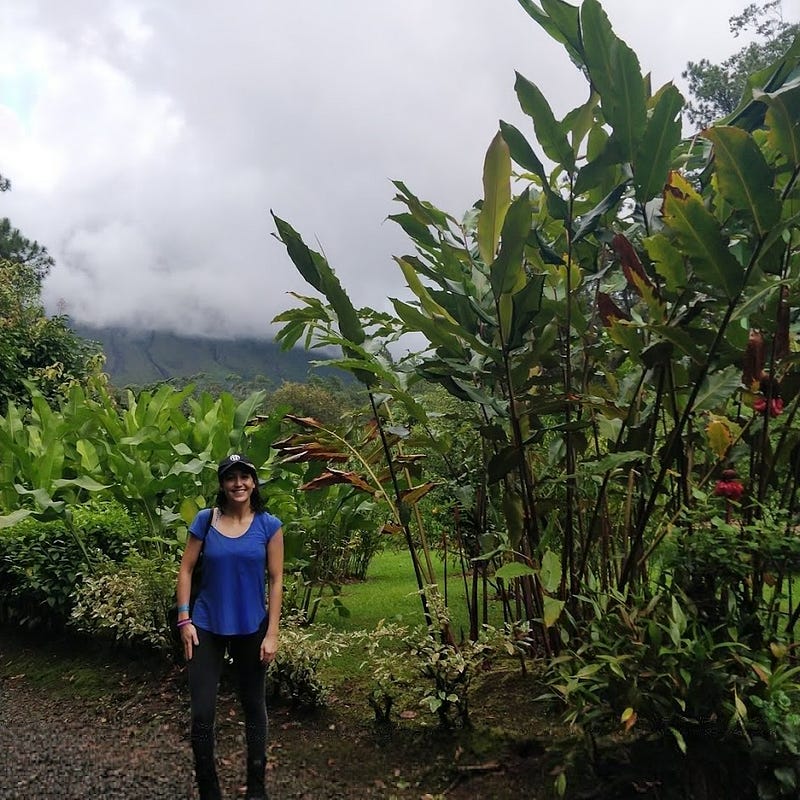
Having travelled solo for most of my twenties and now into my thirties, I’m going to call myself a relatively seasoned female solo traveller. When backpacking around Asia and Europe, my friends asked whether I was lonely travelling solo, while locals would ask me whether I was scared. As I’ve started visiting countries in Central and South America, the questions I get now are much more frequently around safety.
Safety is something I take seriously. I have a strict list of do’s and don’ts when I travel solo, and encourage all solo travellers to have — and keep — their guard up, especially in capital cities.
That said, I do think that Latin America gets too much of a bad rap. In this article, I share my tips on staying safe while travelling solo in Central and South America, while hopefully putting a few figures into perspective.
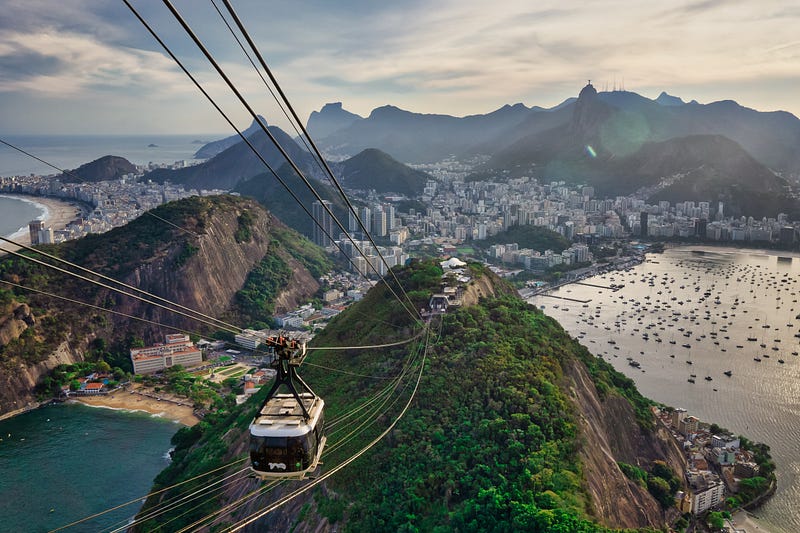
Before you delve in — know that these are my personal tips, not anything that is required. Plenty of people hardly follow precautions and still have a wonderful time. When the tips seem overkill, do note that this is written as a general guide without weighing important factors — such as specific cities and time of year — into consideration.
That said, I do err on the side of caution. There’s always a level of risk when travelling. And when I’m travelling solo, I try to keep that risk as low as possible.
If you’ve been to Central and South America, solo or with someone, I’d love to know: Did you feel safe? What safety precautions did you take? Did you feel perceptions of the places you visited were justified?
Table of Contents
Tips for solo travel in Central and South America
- Start with where you’re comfortable
- Check government travel advice
- Ask recent visitors
- Spend a few extra bucks in the big cities
- Don’t flash phones, cameras or jewellery (or other expensive things)
- Beware of strangers
- Be careful withdrawing money
- Have a few plan B’s
- Don’t walk around alone at night
- Put things into perspective
I’ll go into detail on each below. Now without further ado…
Tips for solo travel in Central and South America
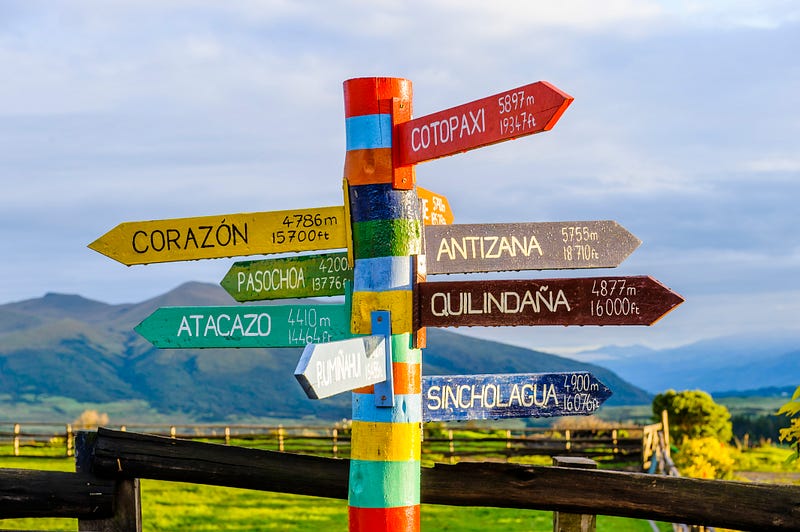
1. Start with where you’re comfortable
If you’re dipping your toes into Central or South America for the first-time and feeling apprehensive, start with somewhere you perceive positively. For me, that was Costa Rica. A long-time haven for American tourists, I was excited about the wildlife it seemed to promise, and knew plenty of people who had been with raving reviews. The crime rates seemed to be low, even with a pessimistic hat on.
Perception plays a big role in how we view a trip. And while our perceptions are often wrong, going somewhere you are expecting to fear will probably not make for a good time. Research will be very important. But your gut instinct should have a say as well.
With time and experience you’ll get more confident going to places further afield. You’ll meet travellers who have been to places you might be fearing, and give you the confidence and advice you need to make your own way there, on your own time.
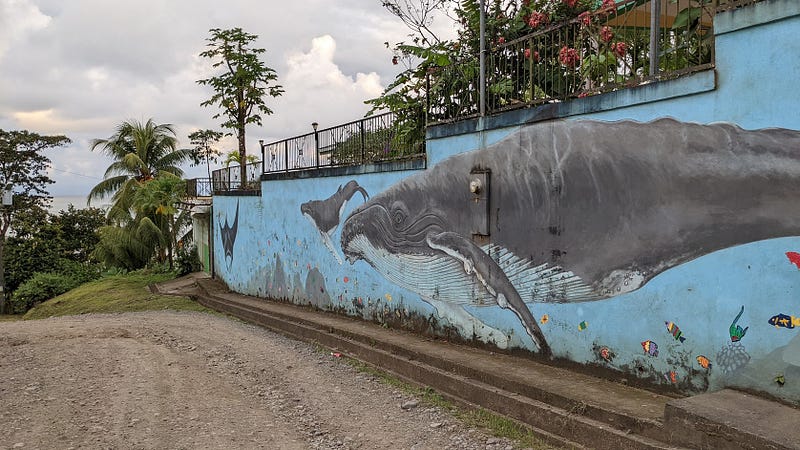
2. Check government travel advice
I actually really dislike this step, because if you were to only go by government guidance, I’m pretty sure you wouldn’t travel. It’s basically a list of all the terrible things that have happened to tourists, and then the terrible things that haven’t happened but could. But if you can brave the reading, there is always important information.
Firstly, reading up on the most common ways tourists are targeted is important. The cautious warnings around illegal taxis, counterfeit alcohol and problematic borders will help you follow best practice (such as not accepting rides from strangers, buying alcohol at weirdly low prices, or braving unknown borders without reading up). But they also tell you specific areas known for crime, which vaccines you might need to enter, and useful information you might not expect.
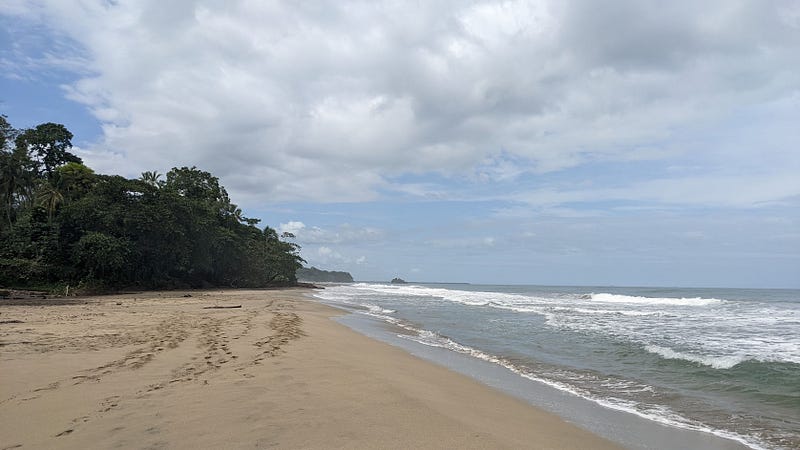
Going back to my Costa Rica example, the UK’s government safety and crime guidance on Costa Rica starts by outlining the worst crime against tourists. One British national that went missing is mentioned, alongside two gunpoint robberies in 2018 that led to the deaths of tourists.
But can you guess what accounts for around 16-20 tourist deaths per year? Out of a 50–60 total?
Drowning. That’s the second most common cause of accidental death in Costa Rica. The currents are strong and there are often no lifeguards. That is helpful information, especially given that there are also few signs against swimming and the sea looks very inviting.
Don’t only rely on government advice, but use it as a starting point. And when the advice gets really specific — follow it. The relatively short US travel advice on Ecuador mentions the word ‘Guayaquil’ 10 times. When I was in Ecuador, Guayaquil was consistently in the local news for high levels of violent crime. The locals told me to not even consider passing by without a bodyguard.
I’ve linked the US and UK travel advisories below, although I like to do a healthy search across a few different governments.
Is there a travel advisory source you would add? Let me know in the comments.
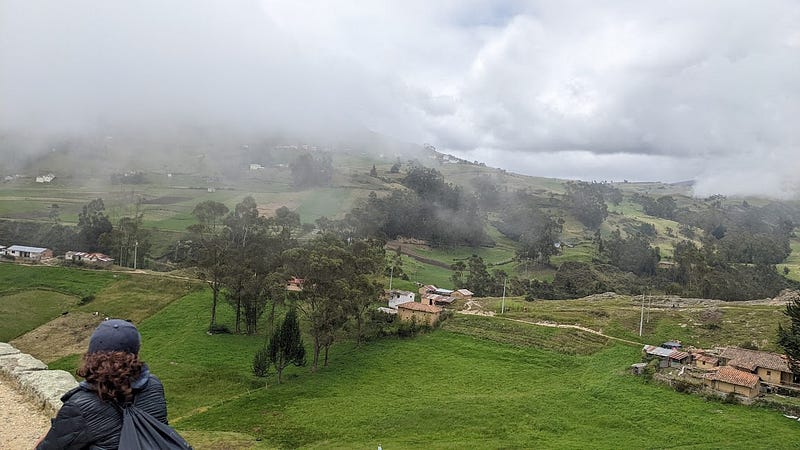
3. Ask recent visitors
If you’re feeling deflated after reading government advice, counter by going to the best source there is: locals and recent visitors.
The access to internet and culture of reviewing has revolutionised travel. It’s easier than ever to connect with people who have first-hand accounts of the places on your list.
If you’re wondering what a place is really like from a personal perspective, type in the place in question on Google followed by ‘travel forum’. Skim the results and read reviews which seem authentic and have been left in the last couple of years — the more recent, the better. You’ll find recommendations and travel advice, and can ask your pressing questions to people who know the places inside and out.
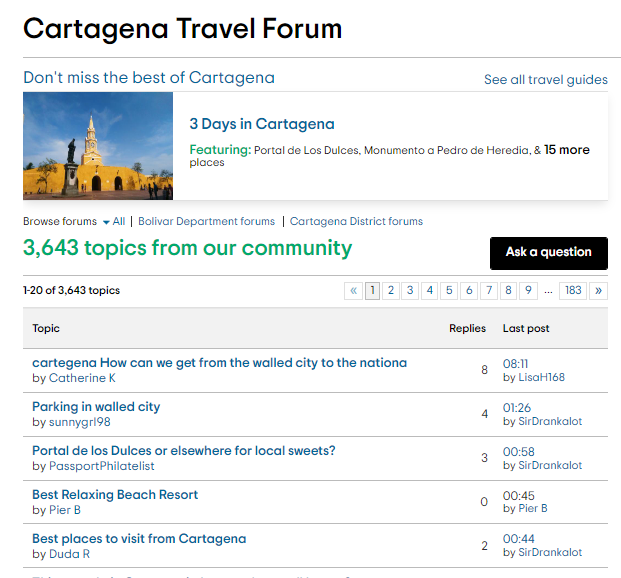
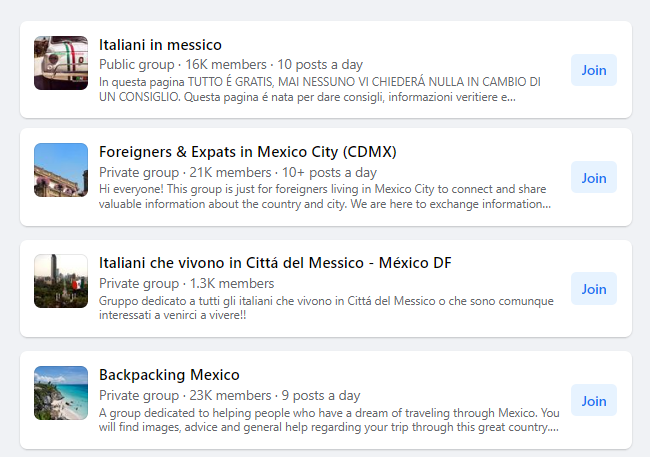
Facebook groups can also be a handy source of information, especially if you don’t speak English or the country’s language. Try typing in your nationality followed by the country where you’re going to see if there’s an active travel forum.
In the screenshot below, I searched ‘Italiani in Messico’ (Italians in Mexico) on Facebook groups. The first result has 16,000 members and 10 posts per day. A few of the others look like great travel resources as well. I know people who have met each other and decided to travel together based on these groups.
Naturally, you have to watch who is sharing information. If someone is clearly promoting (or defaming) a certain place or hotel, factor that in how you weigh up their information. But speaking to recent visitors is a great way to get a real understanding of what a certain place will be like, and to even ask questions you may have.
Travel blogs are a wonderful resource too. More likely than not, the country you’re going to has some great ones up and running. The great thing about country-specific (or city-specific) active travel blogs is that they have people really monitoring anything worth sharing, doing much of the hard work for you. For example, MyTanFeet is a great one for Costa Rica, while CartagenaExplorer is a great one for Cartagena, Colombia.
4. Spend a few extra bucks in the big cities
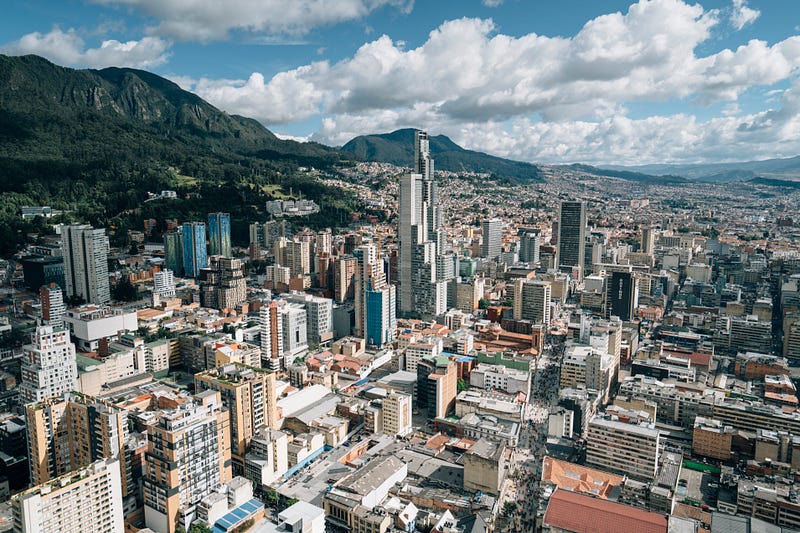
Big cities are the main place for trouble, and often it’s the capitals you need to watch out for. Even some of the safest places in the world can have tricky capitals, whether we’re talking San José or Manila. But travelling throughout Latin America, you’re bound to cross paths with a big capital.
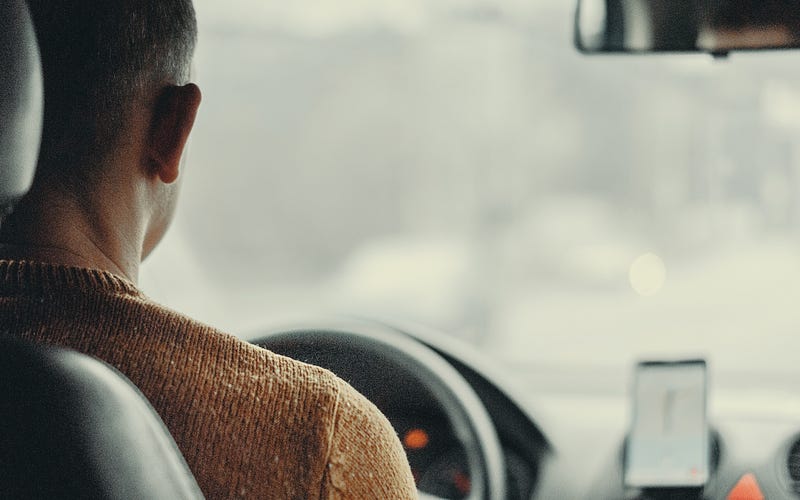
My rule of thumb for new big cities is this: carefully research areas to stay in advance, find out what locals think, and pay a few extra bucks to stay in a good part of town. If you’re flying in, arrange an established, well-reviewed car service to pick you up at the airport and take you straight to your hotel.
Yes, it’ll cost more. But braving a public transport system you’re not familiar with while needing to rely on information — likely on your shiny iPhone — does not say comfortable local. It says tourist travelling with precious belongings. You could catch a taxi from the airport, but the price is usually similar to a pre-booked one, and it’s difficult to discern which taxis are legitimate if you’re not a local. Unfortunately, taxi robberies are some of the most common ways that tourists get attacked.
At the beginning of my trip, I fork out a bit of extra cash for a pre-booked taxi service and a well-reviewed hotel in a good part of town. In the past, the car journey has also been a great opportunity to understand the do’s and don’ts of the city, such as where to visit, the best ways to get around, and areas to avoid.
5. Don’t flash phones, cameras or jewellery
And speaking of that phone! One of the first things guides will tell you in cities is to keep your phone somewhere it can’t be pickpocketed.
Moped thefts are a thing, and pickpocketing is a really common thing. Working in groups where someone distracts you and the other robs you is a thing. But these things are harder to pull off if thieves don’t know where you’re keeping your valuables — or that you have any.
This doesn’t apply to everywhere, naturally. Speaking broadly, I find that most places outside big cities are much safer and laid back. But certainly for your first time in a new place or capital city, it’s best to keep things tucked away until you’ve felt out the place and feel it’s OK.
Phones in particular are in high, high demand, and thieves are opportunistic. I once read about someone who ordered UberEats late at night to their hostel in Quito. When she answered the door holding her phone, a man requested it — violently — and took it from her. He had seen that a delivery driver was going to a touristy part of town and saw an opportunity (or perhaps, even worked together with the driver).

6. Beware of strangers
Obviously, context is key here. There’s a big difference between chatting with staff at your hotel or a fellow tourist, versus someone following you down the street insisting you visit a cool new night club.
Try to become privy to the scams that are present in the areas you will visit. A lot of touristy areas are rife for pickpockets. In some establishments, a mysterious number of male tourists get their drinks spiked. Some buses which make many stops at night are associated with robberies. In one place I visited, a man was known to try lure young women to a dark, rocky area by the sea at night, claiming that the bioluminescent lights would be out.
One piece of advice that I’ve been given over and over by locals is to not speak to strangers. I remember an Ecuadorian family warning me about Quito recently. “People will try to talk to you. Keep your head down, don’t make eye contact, don’t engage. Don’t speak back. Just don’t do it. This is really important.”
Remember that when you’re alone and look like a tourist, a common tactic is to distract you so someone else can pickpocket you. This can come in different ways — asking you for directions, starting a fight or a scuffle and telling you to move out of the way, or offering help. It sounds harsh, but if you’re solo and unsure, just refuse to engage.
If you feel you’re somewhere you can talk to strangers, I suggest being the one who starts the conversation, in order to be more in control. And if someone doesn’t want to talk to you, that should be totally fine, too.
7. Be careful withdrawing money
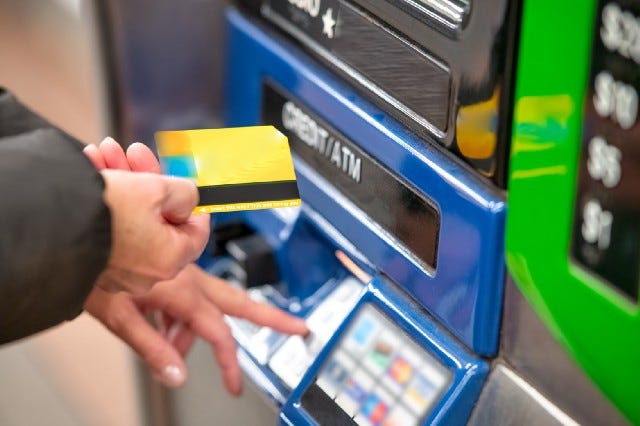
When someone sees you withdrawing money, they assume the obvious: you now have cash. They may very well wonder how much. While most people won’t have problems, I try not to withdraw in big cities, or do so carefully. I usually withdraw at airport ATMs — in some airports they even have them in the baggage claim — trying a few to avoid high fees.
Naturally, withdrawing at airports isn’t always possible. So just feel out different places before you withdraw, and make sure you do it in the daytime. Bring someone with you if you can. I’d recommend doing it at a bank, mall, or close to your hotel, so you don’t have a long journey alone with your cash. It goes without saying that you should cover your PIN entering it.
Rule of thumb: if it feels like you’re in a dodgy place, wait until you’re in a safer place to make your withdrawals.
8. Have a few plan B’s
While we’re on the subject of money, let me tell you the ways of my weird system when I’m getting around. Before you think I’m crazy, I want to emphasize that this is when I am in unknown territory, potentially moving from one place to another, alone and obviously a tourist.
In my pocket, I keep around $20 in the local currency.
In a money belt, I keep around $150 in cash, an old charged phone, and a card with around $300 on it. If I were to be mugged, I would hand this over immediately and hope it’s enough to appease the thief, even if it involves going to a cash point and emptying the card.
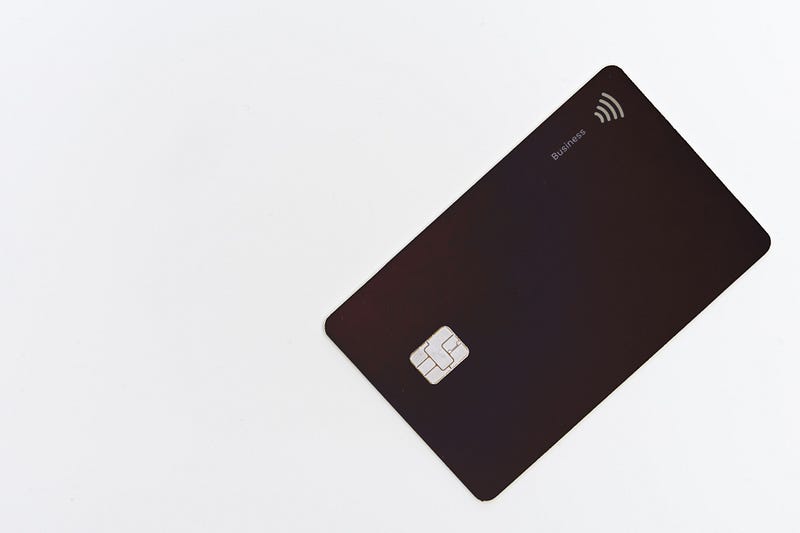
Sometimes in a bra, sometimes in a hidden coat pocket, sometimes elsewhere, I keep another card and my real phone, if and when I choose to take it out with me. And hidden deep in my suitcase that I don’t bring out with me, I keep a third card — usually within a sanitary pad or somewhere equally unlikely.
I can control the balance of these cards with a phone and/or a computer, and I do so regularly.
Overkill? Yes. But let me tell you something from experience: being alone and suddenly stuck in a foreign country without a card and / or a phone when your flight is months away is not fun. It does happen and it’s not the end of the world, but let’s just say there are better ways to spend a holiday.

9. Don’t walk around alone at night
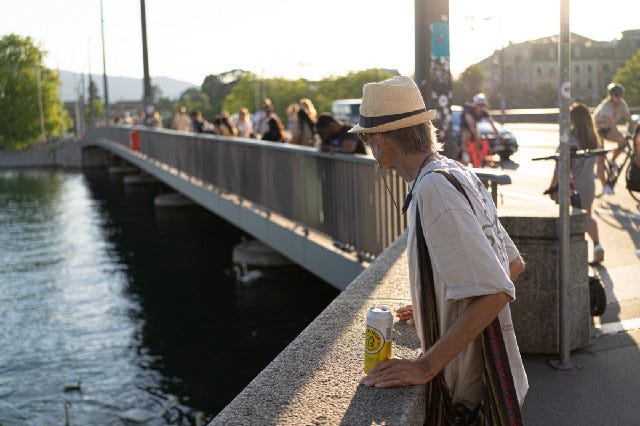
Again — this depends on where you are. But a good rule of thumb is to not walk alone at night if you are unfamiliar with the area. This is doubly important if you’ve been out or drinking.
If you’re alone and want to go out, staying at a hostel is a great way to meet people and get the low down on what’s considered safe and unsafe. Many hostels organise nights out too.
If and when you do go out, just make sure that whoever is leading really knows the places you go to. Stay with your group and if you’re drinking, keep an eye (and hand) over your drink.
10. Put things into perspective
Many countries in Central and South America are perceived as very dangerous to Western tourists. It’s true that some of the highest ranked cities in the World Crime Index are in South America (mainly in Mexico), and there are definitely areas to steer clear of out of safety concerns.
That said, we sometimes get so bogged down with fear that we forget to be rational. Baltimore, Maryland is regularly ranked between the 11th and 16th most dangerous city in the world for crime and homicide. For context, the first Colombian city to come up, between 25th and 31st, is Cali (which I’ve been told to avoid, although know people who’ve gone without issues).
While taking safety precautions may feel like a lot, I follow most of the ones above any time I’m in a big city, whether it’s London, New York or Milan. Although you really can’t compare them to Rios or Bogotás, location is still everything and there are certain things you just shouldn’t do.
Most people I know regularly take statistically significant risks like getting in a car, riding a moped without a helmet, scuba diving, binge drinking or ski sports without much thought. Our perception of safety is a huge factor.
Latin America is full of wonderful places and the locals there are some of the kindest people in the world. Everything is linked to some level of risk, and travel is no different. I won’t lie to you: travelling alone in Latin America is different to Southeast Asia and Europe. But by doing your research, speaking to locals and travellers and following precautions, you will lower your risk considerably. If that doesn’t sound up your street but you still want to visit, remember that you can always join a tour group, who will do much of the heavy lifting for you.
The region has so many gems to offer, and hopefully you will discover them one by one.
I would really love to know:
- Have you been to Latin America, solo or with someone else? Where did you go?
- What safety precautions did you take?
- Would you add anything to the list above? Remove?
- Were there any cities that you didn’t feel deserved their negative rap? Any which did?
- Is there anything else you’d like to know which I didn’t include?
- Your thoughts in general!
If you’ve made it down to here, I wish I could give you a badge. For now, a thank you will have to do, and my very best wishes for happy, safe travels.
Other stories:


