
Travelling Outside
That’s What You Get When You Get Out of the City This Summer
Calming your “top down city mind” is just one of the benefits
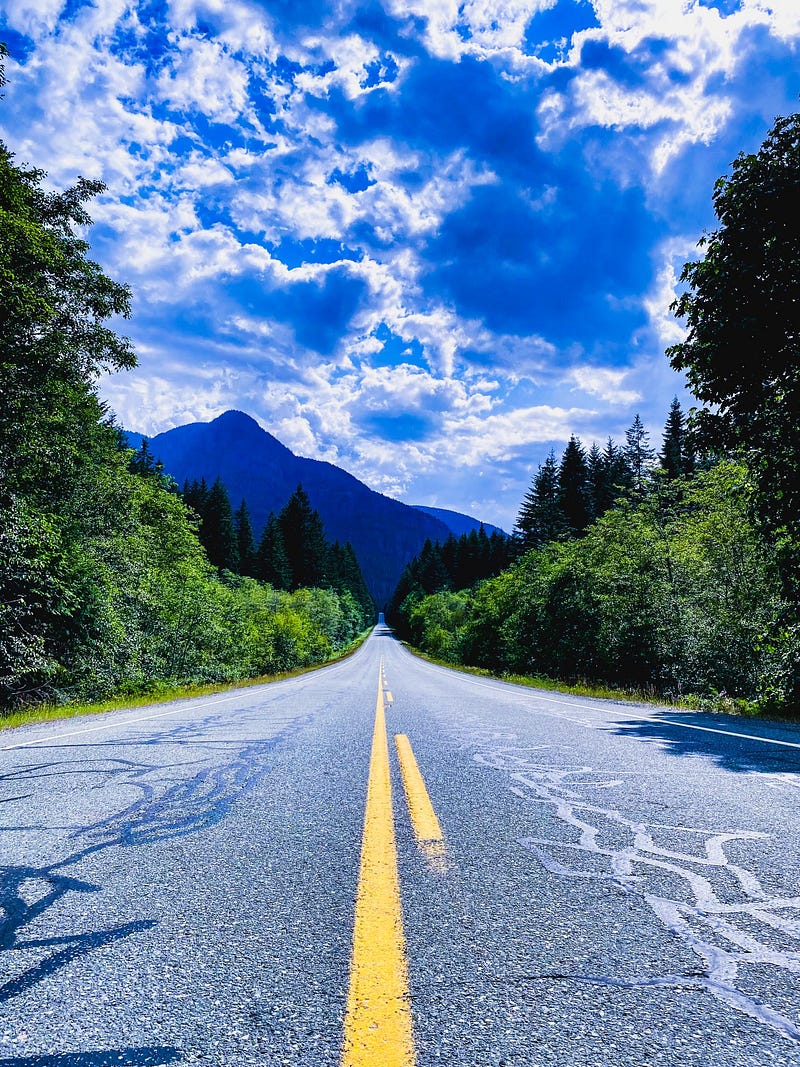
As many in my loyal throng of readers will know, I lived abroad for seven years and have recently returned permanently from whence I originally came.
To be sure, I was not away for seven years straight, rather I came back seven times to visit, usually in the summer. When I did that, I always wanted to spend extended periods in the forests, lakes and mountains and wilderness that predominate in the part of the world where I once again live.
British Columbia, Canada, to be precise. The west coast of North America, where it meets the wild and vast northeastern part of the Pacific Ocean. The Pacific Northwest, it’s sometimes called, but that’s more of an American term, since the northwest of Canada would be the Yukon Territory.
This is actually the Pacific Southwest of Canada and Vancouver is the gleaming city of a few million located there. Surrounded on one side by the ocean, another by the Coast Mountains, the Fraser River Valley to the east and the US border to the south, it doesn’t take too much effort or time to get outside of the city and into true wilderness. It really is right there.
Now that I am here full time again, I feel fortunate to not have to squeeze in a few days outside during a three week visit, but rather take my pick of where and when and how long I do it.
Five days and nights just now on the logging roads and remote highways of Vancouver Island reminded me of just why getting out of the city and into the backwoods is so important, to me anyway. For one, it puts into sharp focus many of the things we forget about or ignore altogether in our busy lives.
Calming our constantly moving city minds. In an article by Ray Wirth, linked below, he examines the two ways we give our attention to things: top down / non-present, in that we can imagine the future and place ourselves in it, and bottom up / present, to use our senses to comprehend the immediate world. Ray suggests that we spent most of our time using the former approach and though our societies are set up to favour it, “the choice is actually in each moment”. He captures this brilliantly in suggesting that “spending time in nature is one of the best ways to quiet our anxious, ruminative (top-down) minds. It’s one of the best ways to reawaken ourselves to this more sensory, richly rewarding form of experience.” I couldn’t agree more.
Things are different in small towns. There is usually one grocery store, there might not be a gas station, the propane firepit that you want to buy because there are no campfires allowed and it’s still cold at night might be sold out. There isn’t the illusion of abundance that we are so used to, things move a little slower and so do the people. But they say hello, as though in a remote place, it’s just smart practise to connect with the people that cross your path. You never know when that relationship might come in handy.
Communications technology doesn’t necessarily work out there. I should probably say hopefully it doesn’t work out there. You don’t need it, the manufactured world will carry on without you engaging with it “virtually” 24 hours a day. I promise you that your Medium stats will plummet and the algorithm will look very unfavourably at your sudden lack of worship of it. But it makes no effort to understand the natural world, so who cares?
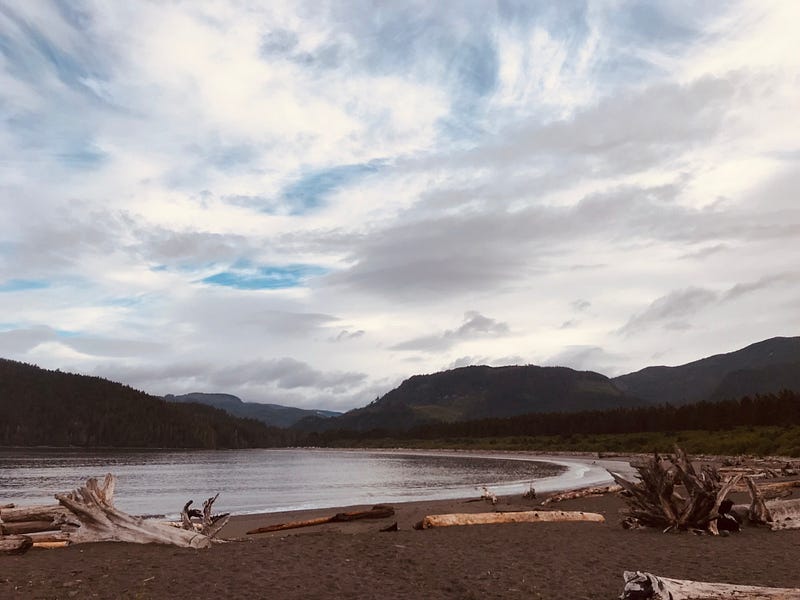
Unstructured time. Once you’ve got the truck unpacked, the tent up and the food situation squared away, your time is essentially your own. When you are ready for a swim, you swim. When it feels like time for a nap, you take one. When you want to crack a beer, you can do that too. Hell, you can do all three at once. It won’t get fully dark until about 11pm at this latitude, so there’s plenty of time.
Cooking outdoors with minimal equipment and ingredients. The aforementioned small town grocery store might not have everything you are used to and the camp stove only has two burners and you are probably cooking with somewhat flimsy pots and pans. That’s where, with a bit of creativity, you can eat some of the most memorable meals you’ve ever had. And outside too.
Long, peaceful sleeps. Waking up at 5am is easy when you go to bed at 10pm and the constant hum of the city is non-existent and your phone doesn’t beep. And if you do wake up that early, you can just as easily stay in your warm sleeping bag another two hours if you like. The difference between waking up to an alarm and waking up naturally when your body says so will be obvious, if it isn’t already.
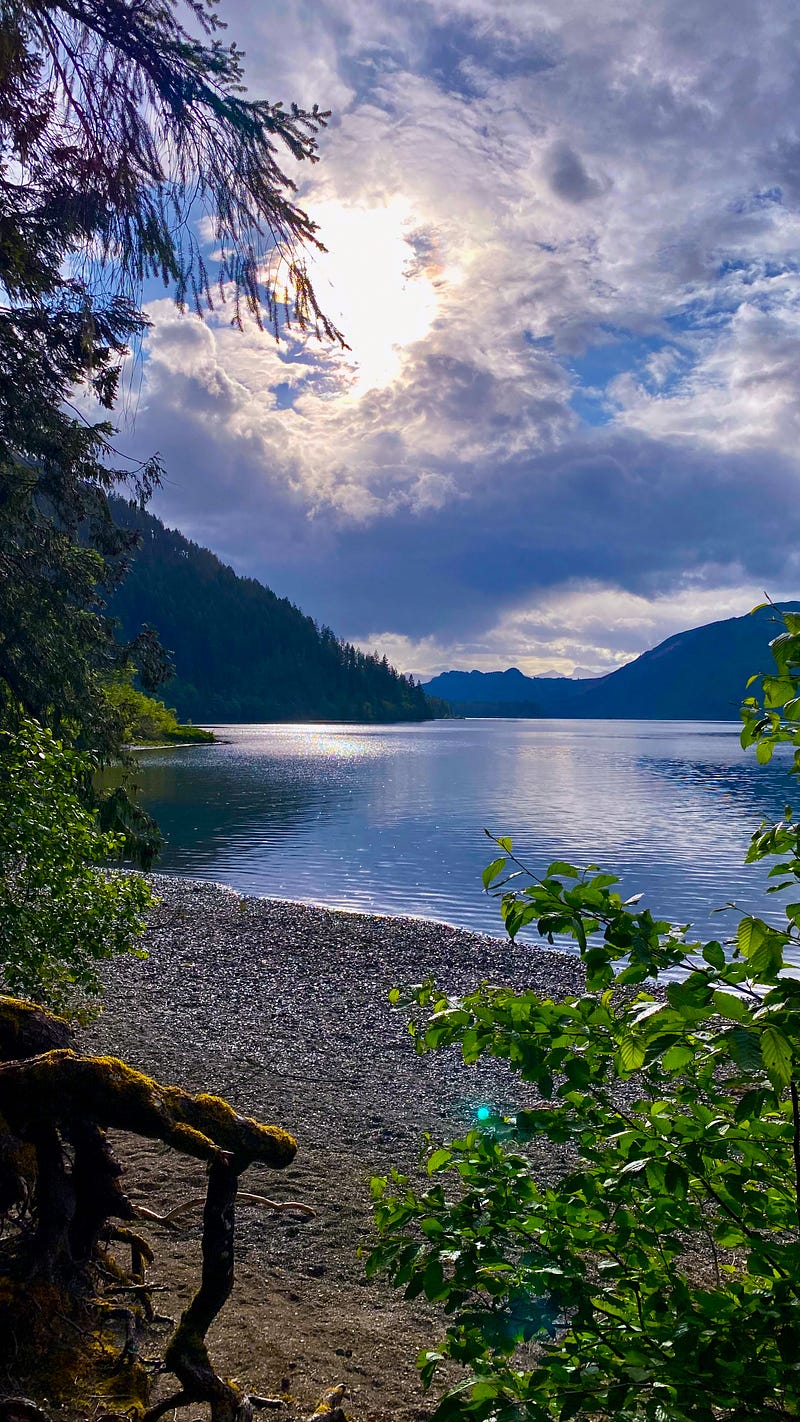
Being open to no plan. A vague idea helps. So does a mapbook, and not googlemaps. A campground might be full, a road might be closed and not having any particular kilometre-covering goal in mind might lead you to somewhere you hadn’t considered. And it may help you make the decision to stay at the incredible spot you find an extra day or two.
The stars in the middle of the night when you get up to pee. You won’t see that in your city and it’s worth drinking in, even if you get anxious about the vastness of it all and the inconsequence of your existence in it.
Deep, clean, cold gulps of fresh air during morning meditation. There is truly no comparison.
Actually tasting the coffee in the morning. You know why? It’s because you aren’t doing anything else while you are drinking it. Ideally, you are the first one up and make a pot on your own. Hopefully what I said earlier about your phone not having service and therefore being unable to suck you in and demand all of your attention is also a reality.
Cold plunging into the nearest lake. Sure it’s a fad, but my God is it ever invigorating and refreshing. And if there’s one thing that years of morning swim practises taught me, it’s that there is only one way to get into any body of water. That’s right, a cannonball.
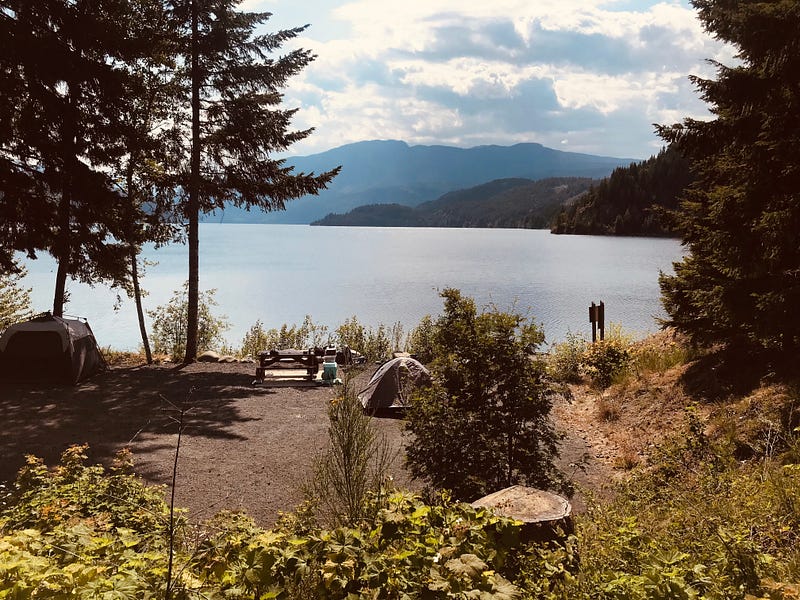
As always, at the height of it, the summer will seem to stretch off into the future, as though it might just last forever this time. But we’ve been around long enough to know that this is an illusion. Our top down mind will make us feel like we must make the most of it while we have it, because we know it will end. But our bottom up mind will assure us that this doesn’t matter. What matters is how we sense it while we are in it.
Winter will arrive soon enough and it will all be a distant memory. For now, the natural world can enter us at the same time that we are entering it.
I really do hope that you like what you have just read. If you want unlimited access to thousands of writers, consider a subscription to Medium. It will set you back $5 a month and if you use the link below, then I get a slice of that. I won’t be buying any firewood this summer, sadly.


