
That Time I Almost Burned Down a Village in Ghana
When you lose control over the fire you started
Sometimes in life, we do things where we don’t think about the impact it will have on the environment. We don't think about the consequences of our actions and behavior.
One of those moments I experienced in Ghana, West Africa, a few years ago. In my time living in a country known as the gold coast of Africa and the first nation declaring independence from its colonial forces, I was working in a school when it happened to me.
My time in the north
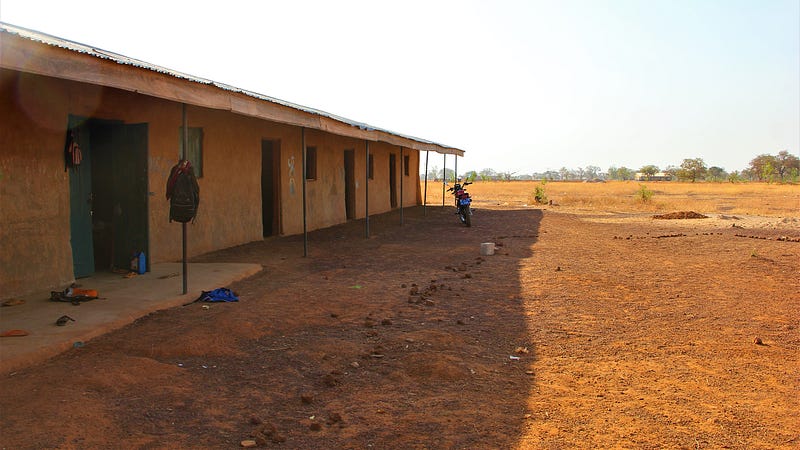
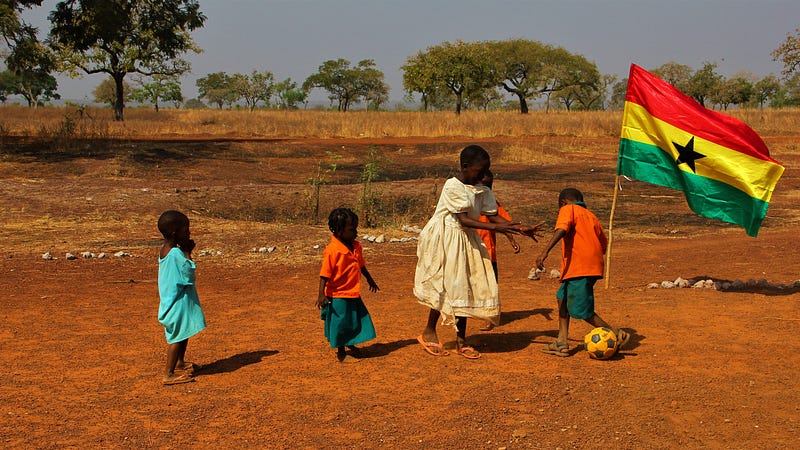
I lived in the very north of the country. Tarred roads were hours away. Only dirt roads were leaving in and out of the village I stayed in. The red sand was the characteristic of the landscape over here.
My home was a house build from clay. Donkeys were walking free in the fields. Chicken running over my mattress in the mornings. Guinea fowl were living in the trees next to our house.
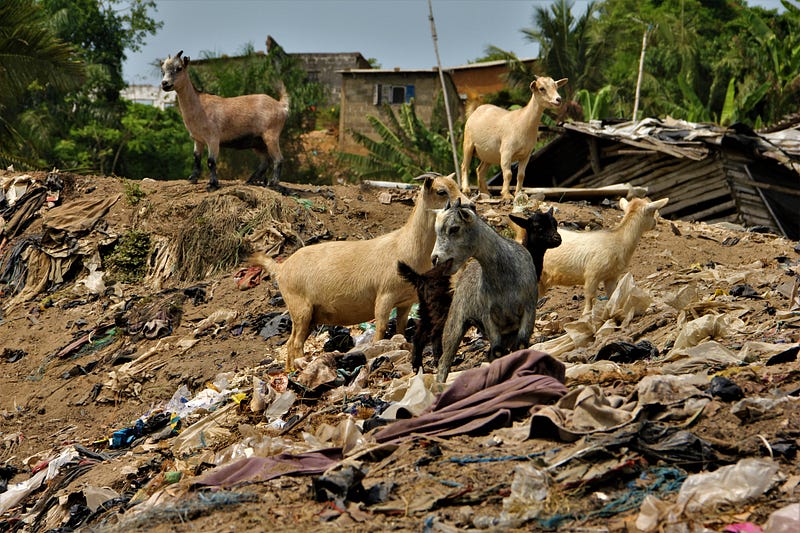
Trash bins and garbage trucks were a foreign word for the locals living here. It simply didn’t exist. No trash bins. No landfills. Only nature. And trash all across it.
The trash situation
My host family had placed a small trash can in my room. Knowing us westerners couldn’t live without them. My host dad would collect that bin once in a while and empty it on the field next to our house. He’d burn everything. Right there and then.
When I first saw him doing it I got upset. But then I started to think about it. What else should he do? What else should I do? There is no way to recycle trash here.
We brought them the plastic. We, the developed countries. We brought them canned food, pasta in plastic packaging, and glass bottles. But we did not bring our garbage trucks and the recycling units with.
The fields were covered in trash. In the high grass, one could always spot plastic and papers. When the wind blew you got sometimes hit by some trash in the face.
And this was exactly how our schoolyard looked too. Working in the school just across the field from our home I always walked past these piles of trash. The children were sweeping out the classrooms every morning. Emptying out the scoop afterward just behind the school building.
Because, where else?
Collection day
One day I decided to organize a collection day in school. Some kind of cleaning process to remove all trash from the yard and the field surrounding the school. I had great ambitions. But very little forward-thinking.
I wasn’t thinking of what I would do with the pile of trash I collected afterward. I just thought I’d do what we would do at home as well.
I had brought some plastic bags. I prepared a lesson where all children were together. All the children from 3 years old to the 15 year-olds. I explained about plastic as a material, the damage it does to nature and animals, and why it is bad for the environment. I had seen enough goats feeding on plastic in the streets.
I did my best. And the children were excited. A different day of school. A new project. And off they went. Looking for trash. Bringing piles of paper, nails, and plastic pieces back to the collection point.
The younger ones brought rocks too. And some other pieces from nature. Branches. Leaves. Grass. They didn’t understand fully the concept of removing the schoolyard from the trash. They thought it was like cleaning the yard back home. Where everything would get removed. Also grass and branches.
Getting rid of the trash
Well, I must say I was impressed with how clean it all looked once we were done. The trash was gone. At least from the school ground. It was all on piles or in bags.
But what now?
Right. Didn’t thought about that one beforehand. But before I was able to come up with a solution one of the elder children said already to burn the trash. I wanted to gasp for air but I was missing words to reply.
She was right. We have to burn the trash now. It’s the only way to get rid of it. Otherwise, it will just get blown over the fields again. I had set up my mind for it to burn the trash. Maybe not the best thing for the environment but the best option we had.
And just as I was scouting out where to burn it, someone had lid the fire already.
Nooo!
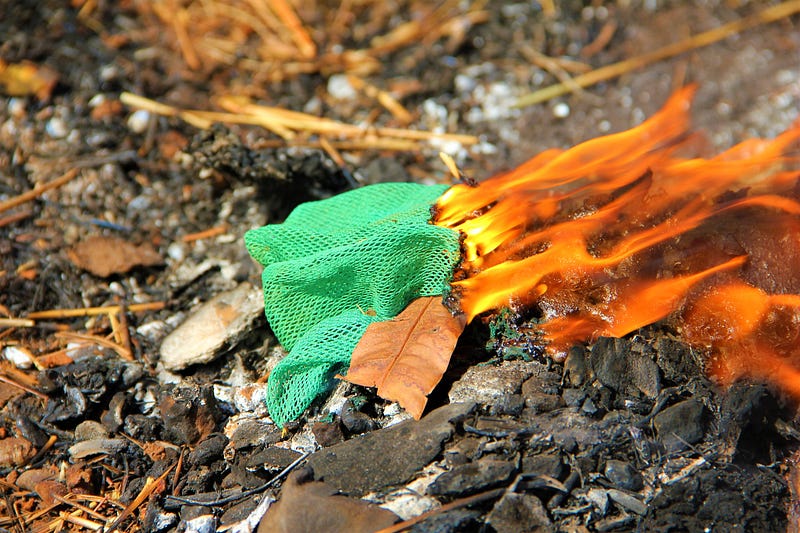
But it was too late. I can’t remember who had started the fire. I remember collecting some dry pieces of grass (which wasn’t difficult since that was all the country had to offer) and before I realized it the whole field was burning.
I had still in my mind all those bush fires raging in the country I often saw when traveling by bus. And now I was the instigator of one of those. I couldn’t believe it.
Freaking out about the huge flames that were eating through the dry grass I started to run around looking where to cut the fire off. This field was leading straight into the village. I definitely had to stop it before it got out of control. If it didn’t already.
Not like we had any water available. We took sticks and branches to beat on the flames. Ripping out grass to create a dry patch of sand where the flames had to die. Just as the flames reached the stretch I had finished it.
A gust of wind was turning the flames towards the field and a few sparks flew over but I quickly killed them in panic.
Then I turned around. Looked at the burned field. The damage we’ve done. And checked if there were any more fires ranging. None. What a relief. I had to take a deep breath and sit down for a moment.
This was close.
Too close for my feelings. And it all happened so quickly. Before I knew it, I was fighting a fire with no tools. It’s still a miracle to me to this day how we managed to stop it back then.
The lesson
It should be “the lessons”. Definitely the plural version of the word. Because that day I learned a lot. I learned to always think a step ahead. Think about the consequences of your actions. If you decide to collect trash think about where the trash must go afterward.
I learned what it means to live in a country without a recycling system. There is no other option of getting rid of the trash other than burning it. Yourself. Trash does burn. With some help from dry grass and branches, it burns better than I hoped. It stinks too.
I learned how to fight a bush fire if you don’t have any water around. You don’t kill the active flames. Because you can’t. You much rather take what feeds the fire. Anything that can burn must be removed from the direction the flames are moving to.
That way you will kill the fire eventually. Without throwing water on it. Because sand doesn’t burn. Once there is no grass on the ground the fire will die because it has nothing to feed on. Luckily.
Fire is hot. Like really hot. I was sweating already while doing nothing but sitting on a chair. Temperatures around and above 40 degrees (Celcius) were not uncommon over there. And now you add the heat of a fire. That’s no fun at all.
So while I wanted to educate the children about recycling and teach them a lesson about keeping plastic out of the environment I got taught a life lesson myself.
In the future, I will definitely be more cautious when first of all starting a clean-up process and second of all when starting a fire in nature. Which I have done on following occasions.
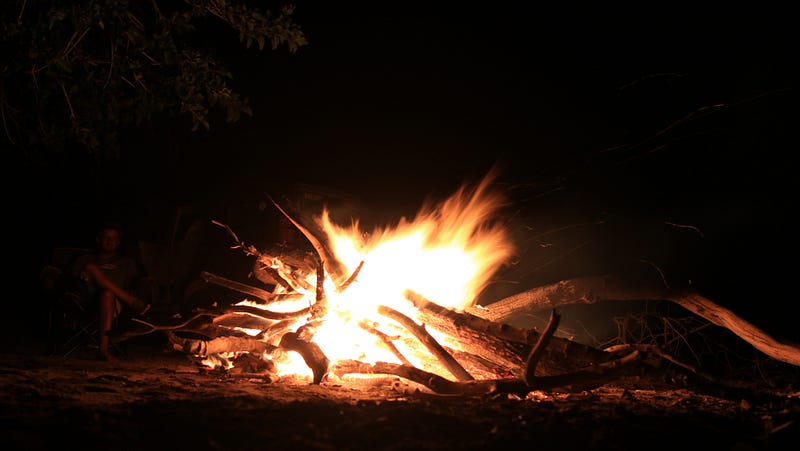
Especially during wild camping in the desert we often made a huge bonfire at night but I always made sure everything that could burn was out of reach of the flames.
That day I learned my lesson on how NOT to burn down a village.
“You can’t go back and change the beginning, but you can start where you are and change the ending.” — C. S. Lewis
Sign up for my email list if you would like to read more about my adventures in Ghana and other African countries…


