
The Villages; Government
Testifying Before a Governmental Body? What You Need to Know.
My writers club review the day before eliminated many mistakes
Synopsis
- Most people never do this, but if the local government is about to do something detrimental to your neighborhood or an agency has misbehaved, you may need to. Here are some tips.
Why Testify!
For 50 years, I’ve watched people, looking like stone statues, testify in almost a monologue before Congressional committees. They always seemed so cold. It makes sense, now.
Testifying before a County board was my first experience
The issue was so emotional and volatile that the simple county zoning board meeting lasted 6 hours. The board was only supposed to recommend to the county commissioners whether to proceed with zoning variances —3 were submitted by The Villages developer and of interest to me since I live there.
The board ruled on variances for an existing carport and a request to park a large boat in a yard before getting to The Villages requests. The carport was approved and the boat declined.
Then the fun began!
The issues — new apartments
The developer requested permission to replace second-floor offices on the Sumter Landing Town Square, zoned commercial, with rental apartments. They also asked to replace a recreation center, zoned residential, in the middle of a single-family residential area, with a 286+ apartment building.
I was the second speaker on the town square variance
We were given 3 minutes, told to talk on the one variance that had the floor, and not to include unfounded opinions. We were sworn-in, just like a court.
I’ve given speeches at national conventions. This was unlike anything I have ever experienced. I felt like Dorothy talking to The Wizard of Oz.
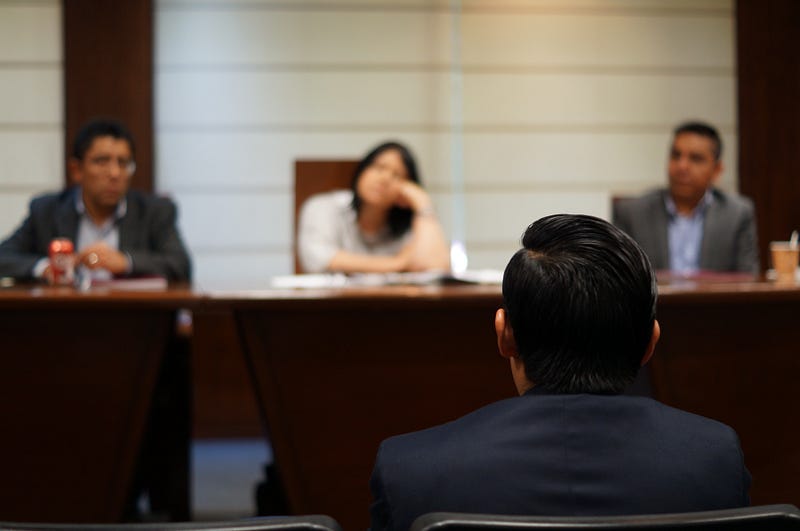
A 3-person panel sat on a high stage, looking down upon those testifying. They asked no questions, except to the county lawyer. As a presenter, I had no idea if anything was sinking in.
My preparation — writers club review
I prepared a written statement and read it to my club members the day before. Two had served on such boards and one had made a similar presentation to a county board.
My first 5 sentences made it through intact, no criticisms Here are their critiques:
First — the approach: Giving a narrative, with 7 bullet points, of what I thought should be done was ineffective. It sounded like preaching. They recommended changing the bullet points to questions and having my proposal supply the answers.
Here are a couple of sample questions: 1. Where will residents park their cars and golf carts without decreasing existing parking? 2. Will there be any impact on county-provided services?
Second — emotional hype: one person commented that when you do that, the board stops listening. They even joke about it during breaks.
- Original: This proposal looks like something put together by an amateur or TV salesman, waving their hands in the air, making vague promises and asking for a blank check. It lacks sufficient details about the impact on the squares.
- Replacement: The Lofts, newly-opened apartments in The Villages, were planned. The new proposal is an afterthought, based on what I’ve seen presented to the boards.
Third — setup for my suggestion: Not much change, except to build off of questions instead of bullet points.
- Original: Without such a study, the Board lacks sufficient information to approve the proposal.
- Replacement: This proposal looks rushed. It lacks sufficient details about the impact on the Squares.
Fourth — unrelated stuff: Eliminate anything that the board does not need to know or is irrelevant to your point.
- Example: The developer’s finances, whether its lack of rental of existing space or expiration of depreciation for tax purposes, is really not relevant to the Board’s decision.
That is a speech. I do not need to tell the board that they don’t have to consider unrelated information.
One ex-board member said that the decisions were usually made privately, before the meeting, and most testimonies were anticipated. So, changes based on testimony were extremely unusual.
Finally: They made some suggestions on sentence structure and punctuation.
My suggestion and the results
I made the presentation without fainting. They asked no questions and did not want copies of my statement. I gave copies to two press representatives and the lawyer representing The Villages.
This was my final suggestion:
I suggest that the Board disapprove the current proposal, with the provision that they would reconsider if the developer presents a more professional proposal which includes an independent impact study.
They ignored all testimony and passed all three of The Villages developer’s requests with recommendation for final approval by the County Commissioners. That is the next meeting.
I did well enough to be quoted in the local news. Most people didn’t.
Summary
For me, it was an enlightening experience. The things to remember:
- Speak only about the issue being considered at the time. Don’t talk about other topics on that night’s agenda
- Try to give them a reason to change their minds, other than the impact on you
- Avoid emotional hype and unrelated opinions
- Exclude unrelated information and don’t tell the board how to do their jobs
- Try to present your points as questions or problems that your proposed suggestion will answer
- Read from a printed statement. Bring copies for the board and press representatives
- Relax and stay calm
Even though they didn’t take my suggestion, it was well worth the effort.
If you don’t say or do anything, you have no right to complain.
I will do better at the next meeting and, just maybe, it will have an impact.
The actual testimony:
Why this was most likely decided before any public hearings:
Evidently, the CDD is not a zoning board, as generally perceived by the public, although it was listed as one in the news.


