
Teaching Your Child Lifelong Lessons on Being Responsible
Responsibility isn’t a skill that we are born with; it’s something we learn
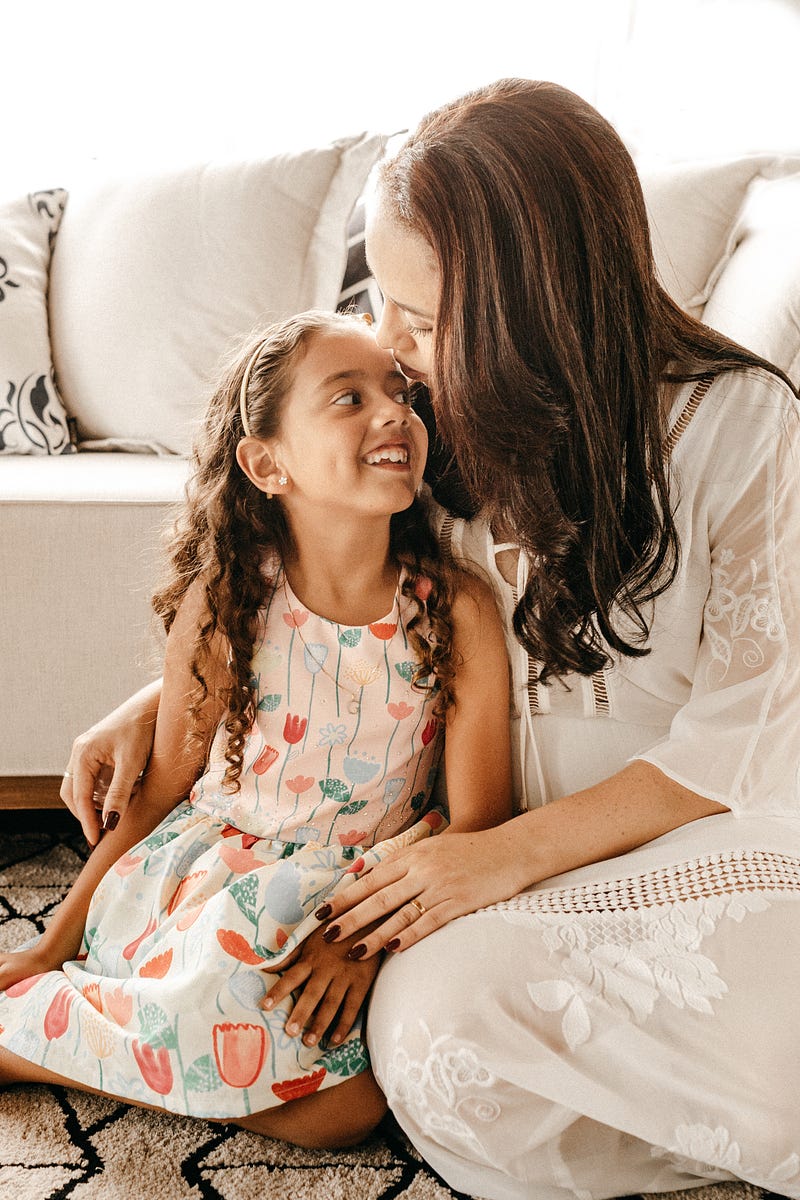
Kids need to learn it, or they will have this false belief that the world must cater to all their needs. Sometimes, we will do things for them, so it gets done faster, but it isn’t fair to the child. For your child to succeed in adulthood, we need to take the time and teach them even if it’s in baby steps. It will show your child how to become trustworthy and accountable, as well as a productive member of society. Here are some ways to teach your child.
Be a Role Model
One of our roles as parents is to set a moral example for our children. To show him or her we are responsible for our belongings, cleaning up after ourselves. We are accountable for our actions and not scared to admit when wrong. Our children need to see transparency.
Teach When Little
You can start teaching them while they are young. It can be simple things appropriate for their ages. Be sure to explain to your child what or how to do these tasks as easy as possible. Such as clearing away their toys when they’ve finished playing, taking their dishes to the sink. Doing this will not only teach your child responsibility but also independence.
When you see your child being responsible always praise him or her. Use words like I appreciate you or It’s so great that you have done as you promised.
Assign Chores
Once you teach your child how to complete age-appropriate tasks, it is a great time to assign them chores. It can be daily or weekly. Try to make it fun for them because you may see some resistance. It can be a family project that everyone is doing or their chores at the same time, and afterward, you all have fun. Which can be whatever you and your family enjoy doing. This will help them to related work to reward. As your child gets older, you can give them a weekly allowance. It will show them both that effort earns money and that money doesn’t come easy.
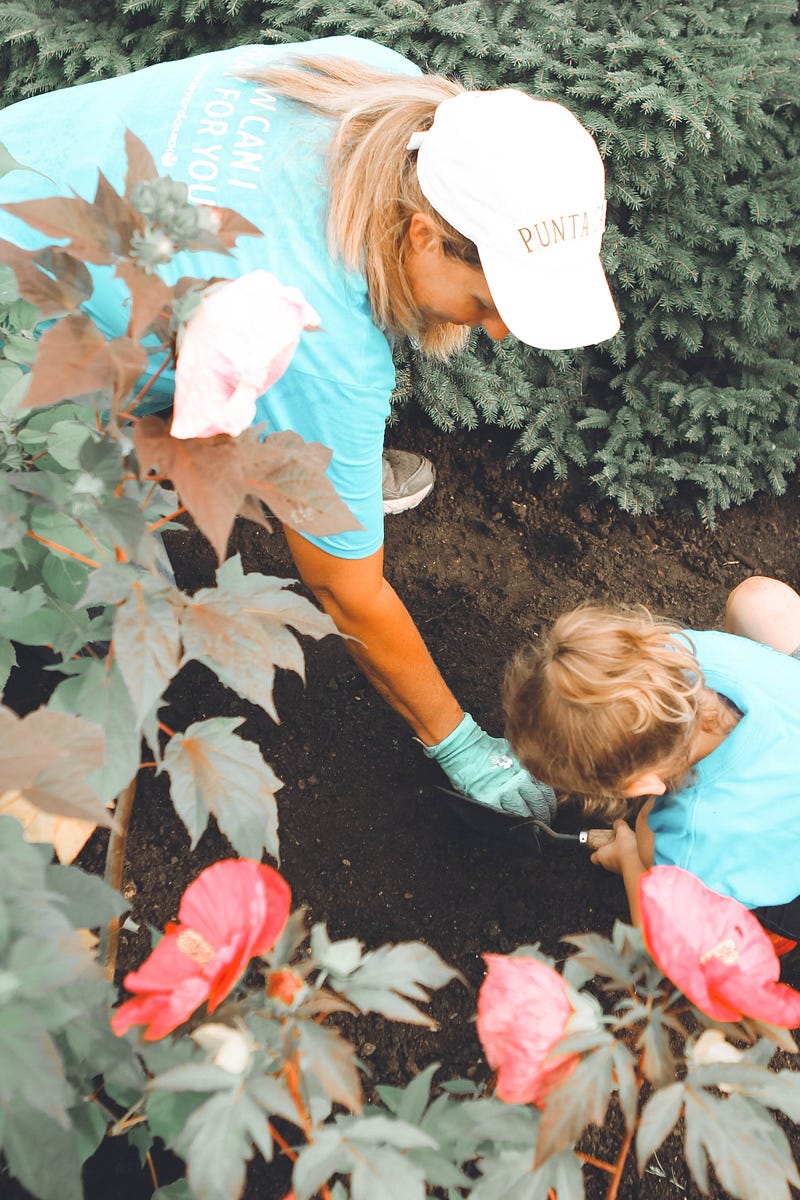
Set Up Consequences
Explain to your child that he or she must do what’s expected both at home and at school. If not, then you will take away their privileges. It can be for any length of time, you decide. Remember to be consistent and fair.
Encourage Your Child
When you see your child being responsible always praise him or her. Use words like I appreciate you or It’s so great that you have done as you promised. It shows them you appreciate their actios and helps build their confidence. Also, it encourages them to repeat that behavior.
Thanks for reading; until next time 😊
Related reading
Peggy Haven is a freelance writer, mom and coffee drinker. One of these is her great love — guesses?


