
Teachers: A Change of Focus In Education is Sometimes a Good Thing — Here’s Why!
A shift in learning goals that brings both teachers and students success to the classroom.

And by success I mean direct approaches that will help students build critical thinking skills as well as their problem solving skills.
For teachers, the shift of focus in educational strategies should be from WHAT you teach, to HOW you teach, so that students can understand WHY you are teaching them the lesson.
For students, the shift of focus in building critical thinking skills should be from WHAT they learn, to HOW they learn, so that students can understand WHY they should learn the subject.
Click to view this digital product on my TpT store!
How Does A Change In Focus Helps Teachers and Students?
When there is change of focus towards the subject (or how we look at the subject), then things become much easier for both teachers and students in the classroom.
When teachers change the focus from what the subject is, to how the subject is to be understood, it makes it easier for students to understand why the subject is beneficial.
Teachers then can use effective instructional strategies to give students a greater chance for building critical thinking skills as well as problem solving skills, and success in meeting their educational goals.

The connection between a focus in learning, classroom management, and how teachers can maximize the learning potential of students helps keep their focus in the classroom.
Let’s look at specific subjects.
Note: In this article I will reference the subject, but in doing so I also imply topics and lesson plans used to in teaching the subject.
Educational Focus In Math
Math is one subject where students need to see it as important to life, even if the topics make no connections to real life.
Teachers teaching math should use logical strategies that show students how math helps everything we do in life, from cooking, to building their own business.

When students recognize that they are building life skills when they build their math skills, then their focus and opinion of math can change for the better.
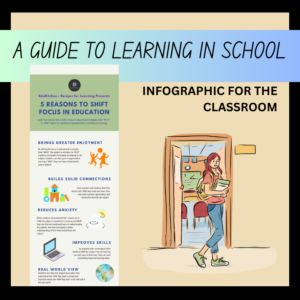
5 Reasons For A Change Of Focus In Educational Strategies
I will now share with you five reasons why I believe a change of focus in educational strategies will benefit and teachers students in building critical thinking skills and problem solving skills that will stay with them forever.

By changing the focus to HOW, we can better appreciate the WHAT, and the WHY as it relates to teaching and learning.
This change helps improve understanding in the classroom between teachers and students, and helps students gain those top scores in school.
The 5 reasons below meant to benefit teachers with their teaching strategies and help students with their learning strategies.
I. Fosters Greater Ease Towards Lesson Planning
Teacher education courses will often discourage teacher lesson plans that indicate the teacher will directly state “Today we will be learning about…”.
But instead encourage lessons plans that use creative ways (mind maps perhaps) to get students thinking about the subject in more unique and interesting ways
By shifting the focus in educational strategies from what the subject is all about, to how students can benefit from being introduced to the subject, students can then grow to appreciate it and enjoy why they have been introduced to such a subject.
II. Builds Stronger Connections to Students
Which brings us to the next reason, to help students connect with the subject.
When we connect with something or a subject, we associate positive emotions and feel comfortable when facing the tasks associated with teaching or learning a subject.
Once teachers and students find their rhythm with how they teach and learn, they may have a greater appreciation and connection towards the subject.
When are able to help others build their own confidence and enthusiasm for the subject, they no longer feel any anxiety attached to teaching or learning.
III. Reduces Anxiety in the Classroom
One popular reason students avoid certain subjects is because of the high degree of anxiety they attaching to learning the material.
They simply will state that they do not enjoy what they are learning.
When students are presented with reasons as to how the subject is beneficial to learning and how they can find non-traditional ways of understanding the subject, then they may grasp a better understanding of why they should learn the subject.
Once students become more aware of the how and why associated with the subject, this then reduces their anxiety towards learning what the subject has to offer.
IV. Improves Learning Skills
Reducing anxieties means teachers and students can focus on other issues, namely improving learning skills.

How we learn improves many of the skills companies look for in potential employees.
As students learn to recognize from teachers, and eventually on their own how the subject they are learning can add value to their lives, they can work on building important learning skills such as critical thinking, problem solving, communication, organization, and time management skills.
V. Establish A Connection With The Real World
Great teachers know that it’s not enough to keep students thinking just about what they are learning.

Students will value the subject more when they understand that how they learn in school can transition easily into how they learn to do meaningful work in the real world.
Final Thoughts…
It is easy to see how physical health activities help the body, so it’s important for students to see how subjects help the mind.
When individuals are able to find the benefits in all they do for themselves in life, they become healthier individuals.
When we understand the benefits to how we eat, what we eat and why we eat makes for a healthier lifestyle. The same goes for education.
Teachers educate students to become independent speakers, and thinkers.
By ensuring that with every new lesson, on every new topic, in every new subject, students are made aware of how they can benefit from learning, students will come to realize that their academic success comes easier.
It can help them reach educational success in turning their passions for learning into achievable goals.
Once they graduate, it can bring financial success by bringing benefit to their communities and the world in general.
Teachers also benefit because of how much easier lesson planning gets when the focus is more on how will I teach, rather than what I will teach the students.
With time and experience, the teacher will see that the focus does not need to be on what I teach or where I teach, but how I teach that will benefit the teacher and students in the long run.
It’s been said that as the years pass, students may not remember what the teacher taught them, but they will always remember how the teacher made them feel.
In teaching when we look at how we approach a lesson both in knowledge, and compassion, it is something that students will remember for years to come.
And so until next time, keep learning, and have fun!
If you enjoyed this article, please read my other articles on teacher strategies in the classroom.


