avatarLeonora watkins

Summary

The website content emphasizes the importance of reaching out to suicide helplines, highlighting the availability and willingness of these services to support individuals in crisis.

Abstract

The article discusses the tragic frequency of suicides in the author's town and the lack of significant media coverage on the issue. It underscores the need for open conversations about suicide to address the problem and prevent its ripple effect on witnesses and others involved. The author, a former counselor, encourages those with suicidal thoughts to contact helplines like Samaritans and Papyrus, reassuring them that these services are specifically trained to help and genuinely care about those in distress. The article provides the helpline numbers for the UK and advises readers to seek help immediately, emphasizing that the services are confidential and the call won't appear on phone bills.

Opinions

  • The author believes that public discussion of suicide is essential to address the issue and prevent its perpetuation.
  • There is a perception that reaching out to helplines might be bothersome, which the author strongly refutes, stating that helplines are there to assist and want to help.
  • The author expresses frustration with the minimal media attention given to local suicides, suggesting it contributes to the problem being overlooked.
  • The article conveys that the trauma experienced by witnesses of suicide, including transport drivers, can lead to a cycle of suicide, which underscores the need for accessible support systems.
  • The author has a firm opinion that helplines are a valuable resource, staffed by individuals who understand the pain of those reaching out and are dedicated to providing support.

Talk to a Suicide Helpline

Don’t wait, do it today
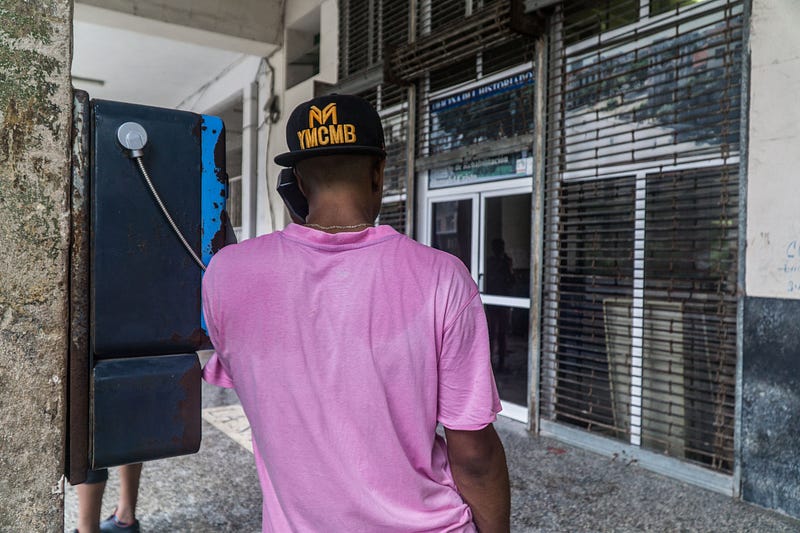
Photo by Guille Álvarez on Unsplash

I’ve written recently about the spate of public suicides in my town. Here:

And here:

Yesterday, another young woman took her own life in my town. And the frustrating and frankly, sickening thing is. It will barely make a column in the news. Things like this get swept under the rug, and we don’t discuss them. I get it. People don’t want to talk about suicide, I don’t WANT to talk about it, but I do it because it needs to be talked about.

Nothing will ever change if we don’t talk about it. And public suicide has a ripple effect. The people who witness it, or often the train/bus drivers who are forcibly made party to it, are traumatised forever. And do you know what traumatised people often do? They attempt suicide. So the cycle continues, because people either can’t or don’t get the help they need.

When I was a counsellor, whenever I recommended that someone talk to the Samaritans or another suicide helpline, I almost always got the same response.

“I don’t want to bother them. They are busy enough.”

And I always gave the same reply,

“You wouldn’t be bothering them. It’s what they are there for. They want to help you. They train for months to be able to do that. They are in that role because they know the pain you’re going through and want to make it a little easier for you.”

And I’m saying it to anyone reading. If you are having suicidal thoughts or thoughts of self-harm, call a helpline. Don’t wait, do it now. They are there to listen. And they care more than you will ever know. Please don’t leave it. Call someone today.

Samaritans: 116 123 Papyrus: 0800 068 4141

(These are UK numbers, an online search will reveal the numbers for your area. The Samaritan’s number will not appear on your bill, and everything said is confidential.)

Suicide
Suicide Prevention
Suicide Awareness
Mental
Mental Health
Recommended from ReadMedium
avatarBindusmita Das
Hey God!

It’s me again.

4 min read