avatarTodd B Harrington

Summary

The article discusses the discovery of forgotten macro photographs by the author, Todd B Harrington, who reflects on the versatility and benefits of using a Canon EF 100mm f/2.8L Macro lens for capturing intricate details of small subjects.

Abstract

Upon stumbling upon a folder of macro photographs he had misplaced, the author, Todd B Harrington, reminisces about the quality and potential of his Canon EF 100mm f/2.8L Macro lens. He acknowledges the lens's versatility, not only for macro photography but also as a crossover lens suitable for various photography disciplines. The article showcases a series of macro images that illustrate the lens's capability to reveal the fine details of nature's small creatures and the unseen tiny aspects of the world. Harrington emphasizes the importance of lens selection in achieving the desired photographic results and hints at future explorations into even closer image capture using extension tubes. He also encourages readers to explore macro photography and directs them to a comprehensive guide on the subject by Randy Runtsch.

Opinions

  • The author values the Canon EF 100mm f/2.8L Macro lens as a significant investment in his photographic equipment.
  • He believes that proper lens selection, including the use of macro lenses, is crucial for success in different photography disciplines.
  • Harrington is of the opinion that macro photography allows for a greater appreciation of the often-overlooked intricate details in nature.
  • He suggests that even with a well-organized photographic library, some items can be misplaced, indicating the vastness and complexity of such collections.
  • The author plans to delve into microscopic levels of image capture in future articles, indicating his ongoing interest and exploration in macro photography.
  • Harrington endorses Randy Runtsch's article as an excellent resource for those interested in learning more about macro photography.

Taking A Closer Look

Things around you, up close.
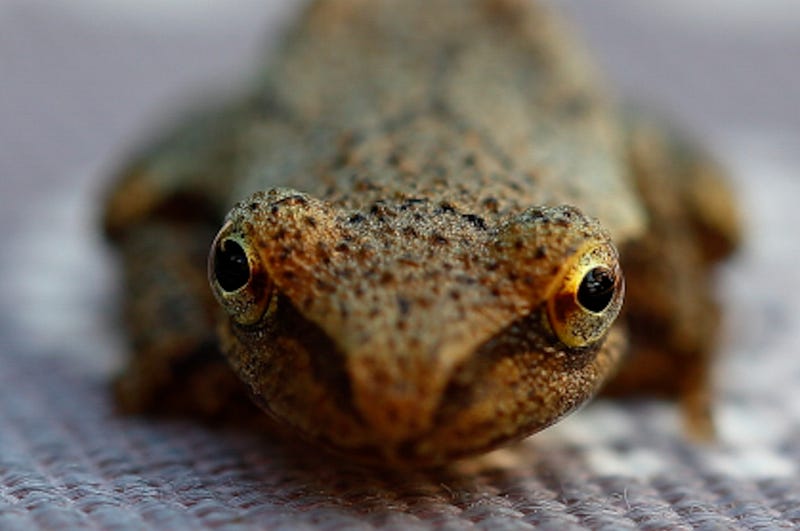
(Photo by Author, © Todd B Harrington)

While searching for an image I wanted to use for another article, I came across a file folder titled “Macro”.

Stored away in a not-so-obvious location, I had completely lost track of these photographs while knowing they existed. Despite having my photographic library reasonably well organized, apparently, there are some weak points in the system. Such is life.

I committed to Canon gear quite some time ago. One of my better lens investments has been the EF 100mm f/2.8L Macro. I don’t intend to review the lens or the camera (5D III) in this article. I’ll let the images speak for themselves.
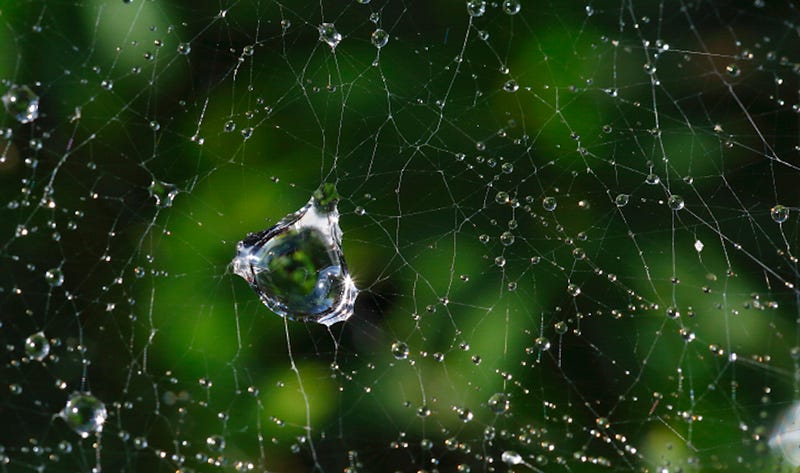
(Photo by Author, © Todd B Harrington)

Photography is an art form comprised of distinctly different disciplines. Each involves unique subject matter, lighting sources, lens selection, and source location.

Sports, portraits, landscapes, still life, and nature, to name just a few. There are variations within each discipline. To achieve desired results, proper lens selection is part of the success equation.

This macro lens is highly versatile and can also serve as a cross-over lens.

(Photo by Author, © Todd B Harrington)

However, its best use is for taking a closer look at small things around us. Add an extension tube(s), and you can start approaching microscopic levels of image capture. (Another article for later.)

(Photo by Author, © Todd B Harrington)

Macro allows us to appreciate some of the fine details of nature’s creatures as they exist in their own environment.
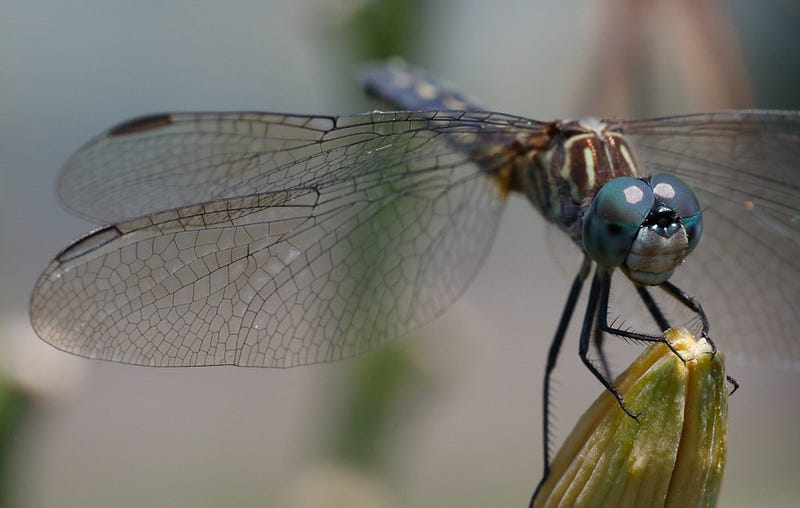
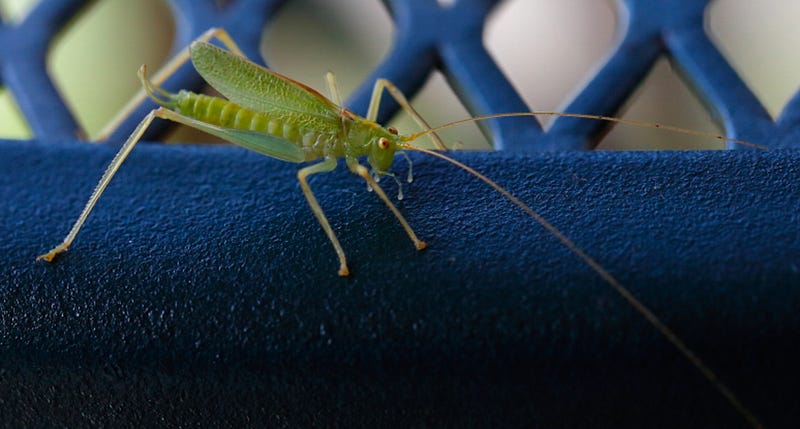
(Photo by Author, © Todd B Harrington)

As big as our world is, it has some very small parts to it that go unseen.

Be sure to read the recent article by Randy Runtsch. This is an exceptional how-to article:

Full Frame
Photography
Macro Photography
Nature Photography
Still Life
Recommended from ReadMedium
avatarAngelEyes
Journaling

1 min read