
10 Surprising Facts About The Most Controversial Species — Neanderthal
Extinct humans living 40,000 years ago weren’t stupid.
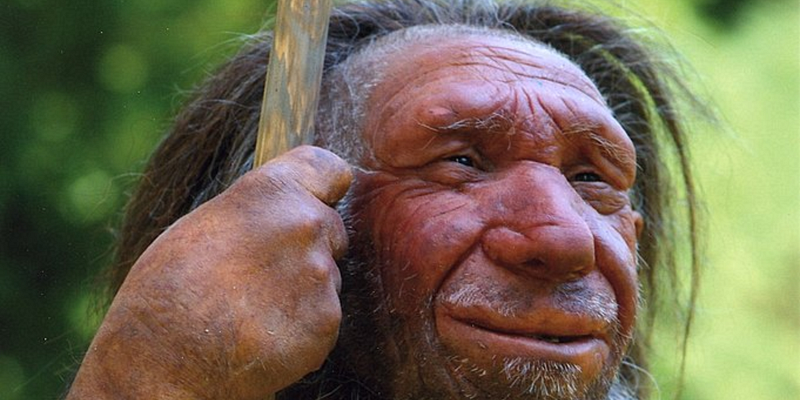
Neanderthals, our closest extinct human relative, had key defining features — their skull, a huge nose and a large middle facial area.
Neanderthals were a short and sturdy type of early humans which allowed them to be more swift and agile. Interestingly, their built was the need of the hour.
These distant relatives of ours lived in shelters, knew how to control fire, wore clothes, buried their dead, and owned great tools.
Neanderthals were great hunters and some much other stuff that we modern humans still do in this day and age.
They lived throughout parts of Asia and Europe for about 400,000 years until they went extinct about 40,000 years ago.
To cater for your spirit of inquiry, below are some amazing facts about the Neanderthals. Let’s dig in:
1. Neanderthals And Wooly Mammoths Shared Genetic Traits
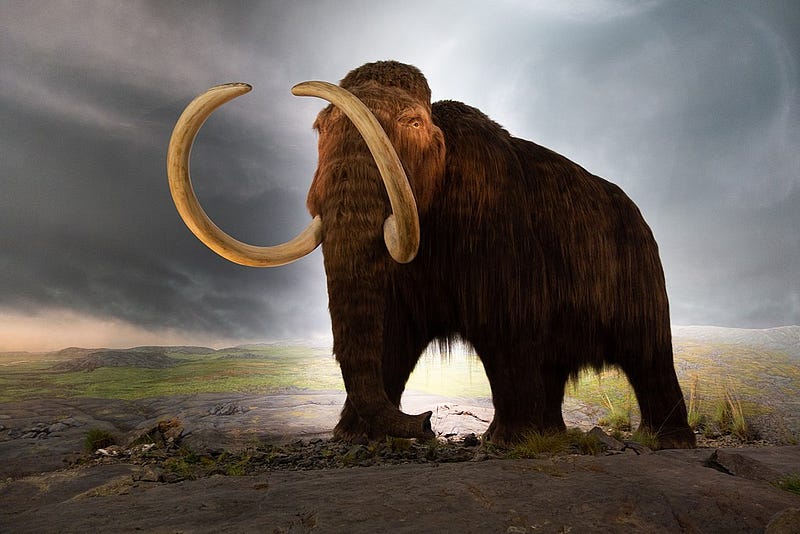

Neanderthals and the ancient Wooly Mammoths shared similar genetic traits; a study done at the New Tel Aviv University helps explain how these two extinct mammals adapted to the cold weather of the Ice Age.
Neanderthals were highly skilled form of early humans, evolved in the European region around 400,000 years ago; while Woolly Mammoths were an elephant-like animals that evolved in the Arctic Region around 600,000 years ago
The researchers believe that the Neanderthals and the Wooly Mammoths share some kind of same DNA because both the species went through the same harsh conditions of the Ice Age.
During that time, both the species evolved to survive the cold freezing conditions for thousands of years.
2. It Didn’t Take Long For The Humans To Breed With Neanderthals
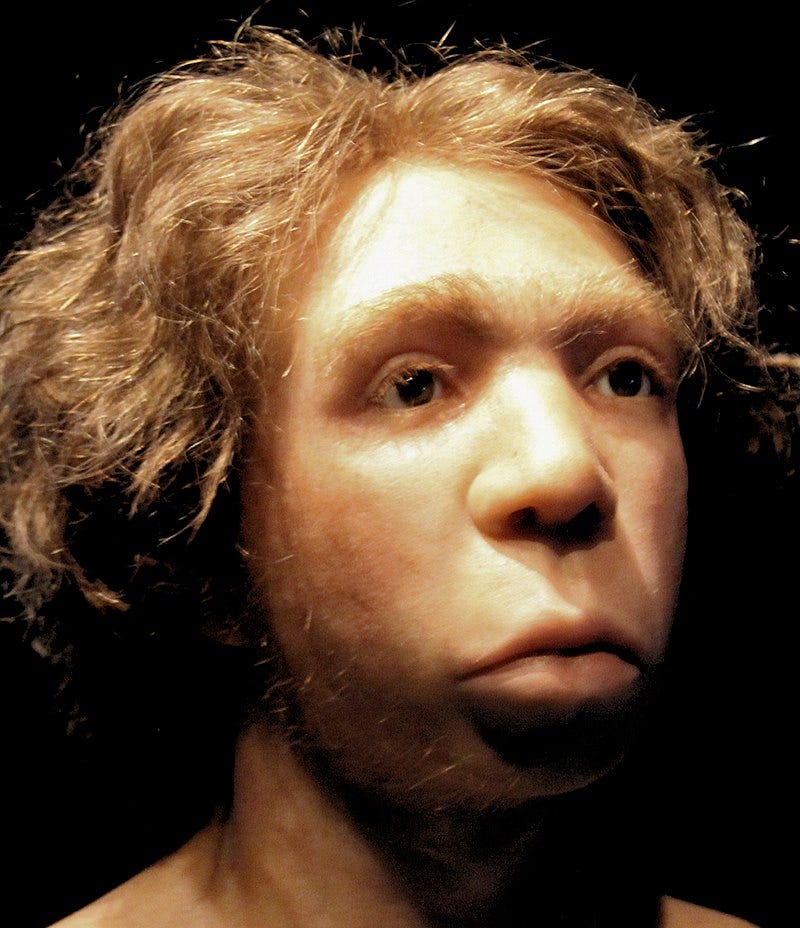

The fact that humans bred with Neanderthals is well known by the world; early modern humans who were leaving Africa met with the Neanderthals on their way out, around 100,000 years ago.
Perhaps the area was near the fertile valley of Nile, along the coast of the Middle East and the Arabian peninsula.
3. Their Voice Was Loud, Throaty And High In Pitch
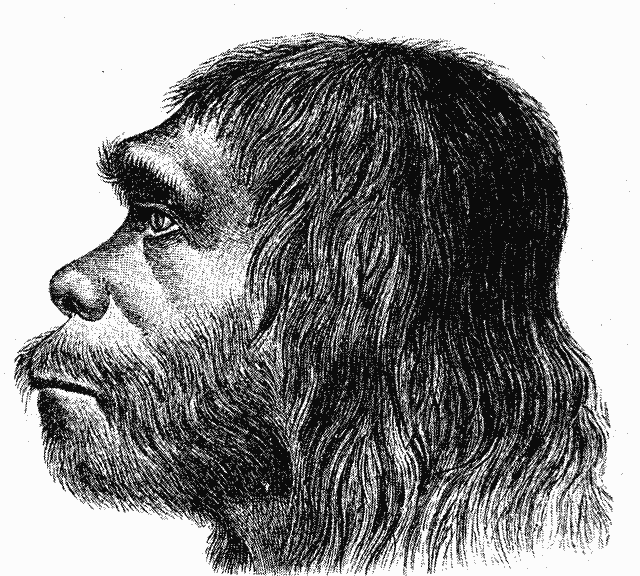

The more common belief is that the Neanderthals talked in a very low-pitched manner, just like an ape.
However, the recent studies are somewhat contradicting. After looking closely at their anatomy, the scientists have come to a conclusion that Neanderthals sounded high-pitched, loud and harsh because of their skull, chest (high capacity lungs), and shape of their throat.
4. There Is Every Possibility That Some Neanderthals Were Red Haired
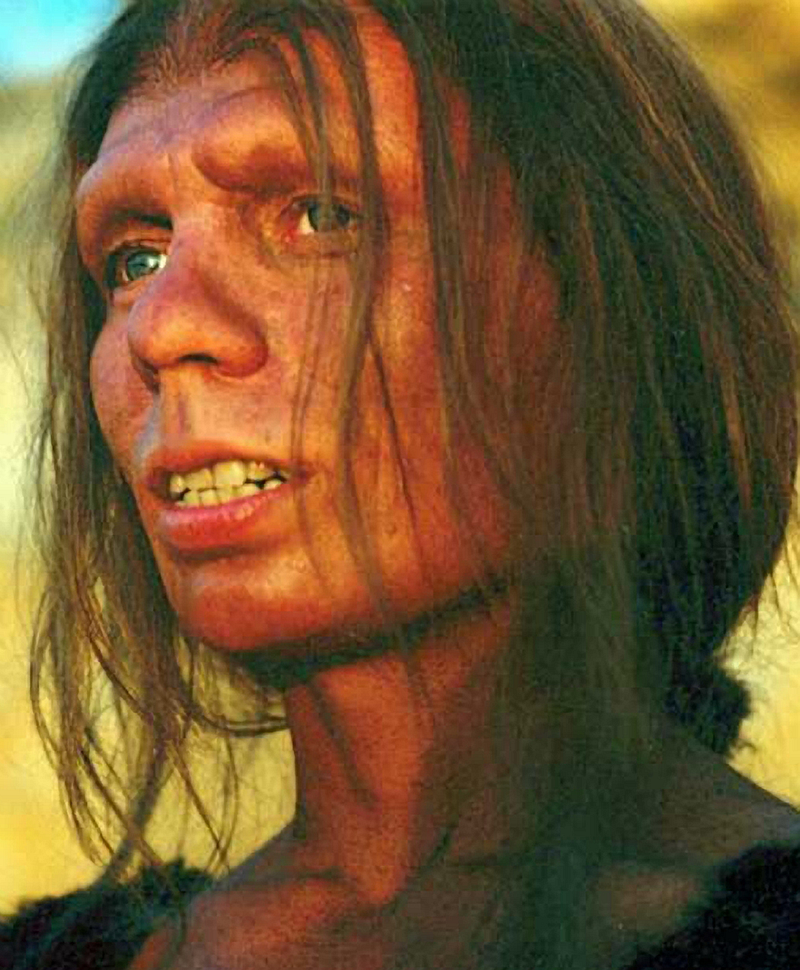

Through much research on Neanderthals, scientists found that their DNA contains genes that most probably gave them coloured hair and lighter skin.
These characteristics were most likely more common in Neanderthals living in Europe because of the environment, which was very low on light.
Furthermore, Neanderthals’ skin and hair coloured most likely varied from place to place depending on their home region.
It is also highly likely that they had red hair and pale skin, some characteristics that are also found in modern humanoids.
5. Neanderthals Had Musicians Among Them
_(9420310527).jpg)
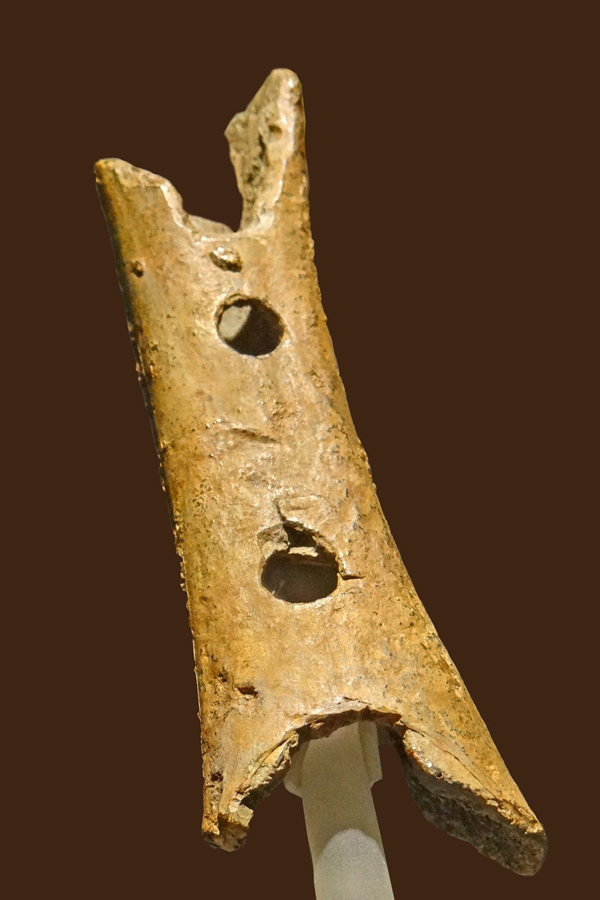
Neanderthal’s art was not limited to only cave paintings, but there is so much to them that meets the eye.
Researchers found relics that date back to the time when neanderthals were roaming the earth; these relics were flutes made out of bones found in the parts of Hungary and Slovenia.
Scientists have been arguing over whether these really are flutes or not; there are some who believe that the holes found in the bones were caused by hyenas chewing on these bones; while on the other, there are some who believe they were not made by neanderthals at all.
However, both these hypotheses are unlikely because we have enough data to know how old the bone is, and there were no random cut marks on the bone flutes that would suggest the bone was chewed at all.
6. Neanderthals Lived In Groups
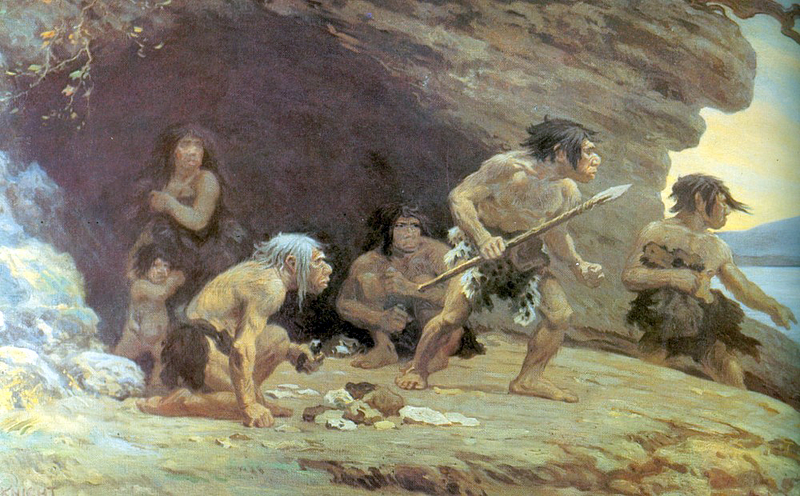

Neanderthals lived in groups that were scattered and consisted of 10 to 30 individuals who lived together in caves.
These individuals were of all ages, from a child to the oldest person in the group. Adults took care of the young ones while the youth was busy with activities such as gathering food, hunting and all kinds of other preparations.
7. They Used Medicines

.JPG)
Neanderthals had a life full of high risks, and because of this, they suffered a lot of injuries.
However, their injuries show signs of healing, and there is some evidence present that suggests the Neanderthals followed some practices to handle these injuries.
Some experts suggest that Neanderthals used a basic form of medical care such as putting splints on fractures, dressing their wounds and using plant-based medicines to treat all sorts of injuries.
8. Neanderthals Women Had Equal Responsibility As Their Men


One of the popular things about the Neanderthals was their hunting, and this was the responsibility of the group’s adults, including neanderthal women.
Perhaps these early humanoids had a more defined vision of labor. Perhaps this was because of the small population; they had to divide responsibilities among all the group members.
9. They Loved Their Homes As We Do
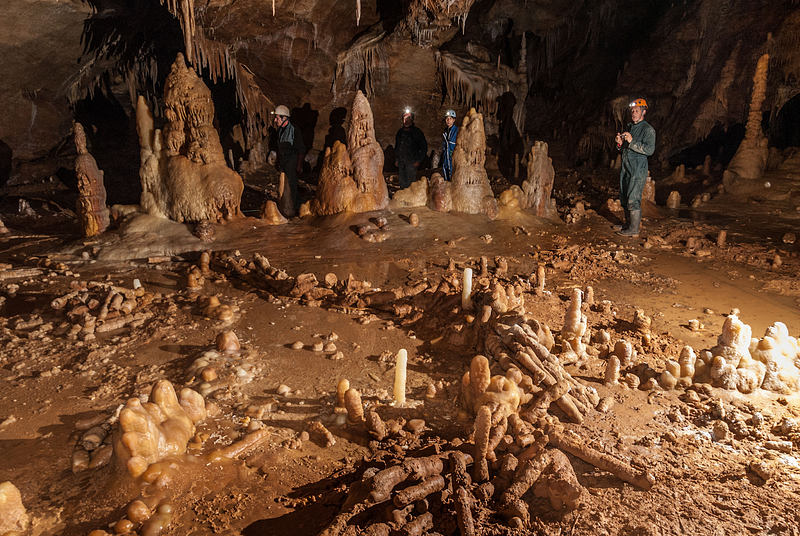

The image above show structure made by Neanderthals, around 176,500 years ago, at the bottom of the Bruniquel cave, from 400 rows of broken stalagmites.
Neanderthals were the earliest interior designers, and they really did like decorating their homes (Caves) by using broken pieces of stalagmites — a type of calcium salt.
Several members of the group worked as a team to design and decorate the caves that were home to them.
Sometimes Neanderthals used mammoths bones to decorate and even construct dwellings, while on the other hand, some researchers suggest that Neanderthals also had the knowledge of woodworking.
However, scientists are still unclear about the purpose of decorating their homes was it purely for esthetics or there were other reasons behind it, but one thing is for certain this interior designing thing make them more human-like.
10 Neanderthals Lived Like A Family And Took Care Of Each Other
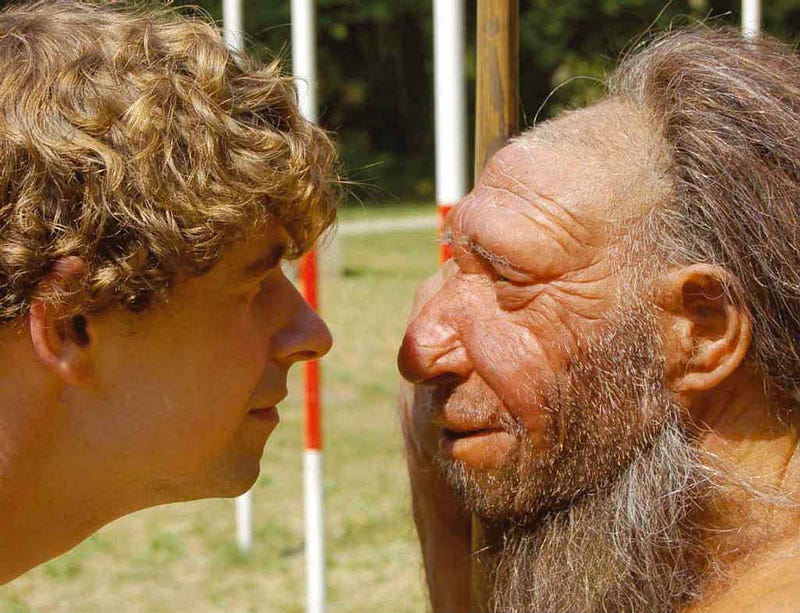
Neanderthals have often been portrayed as some sort of savage brutes, and to a certain extent, we all have been believing it; however, these new discoveries about them suggest something that is exactly the opposite of that.
Researchers have found evidence that anyone among the group with any kind of deformity or disability was not left alone to survive; instead, the individual was taken care of.
After discovering fossils that showed signs of various injuries, as well as degenerative diseases the fossils found, were of an older individual.
Scientists came to a conclusion that suggests: Neanderthals took great care of a member of their group even if the individual was not able to help with anything at all.
Final Words
Neanderthals were ahead of their time in many ways with all the problems they had to live with on a day-to-day basis because of harsh weather, food shortages and the predators in the area.
These early forms of us, Homosapiens, still hold many mysteries that are still waiting to be unraveled.
More from the author: