
Surf Culture’s Lasting Impact
Surfing as a Lifestyle
California Surfing Museums Info
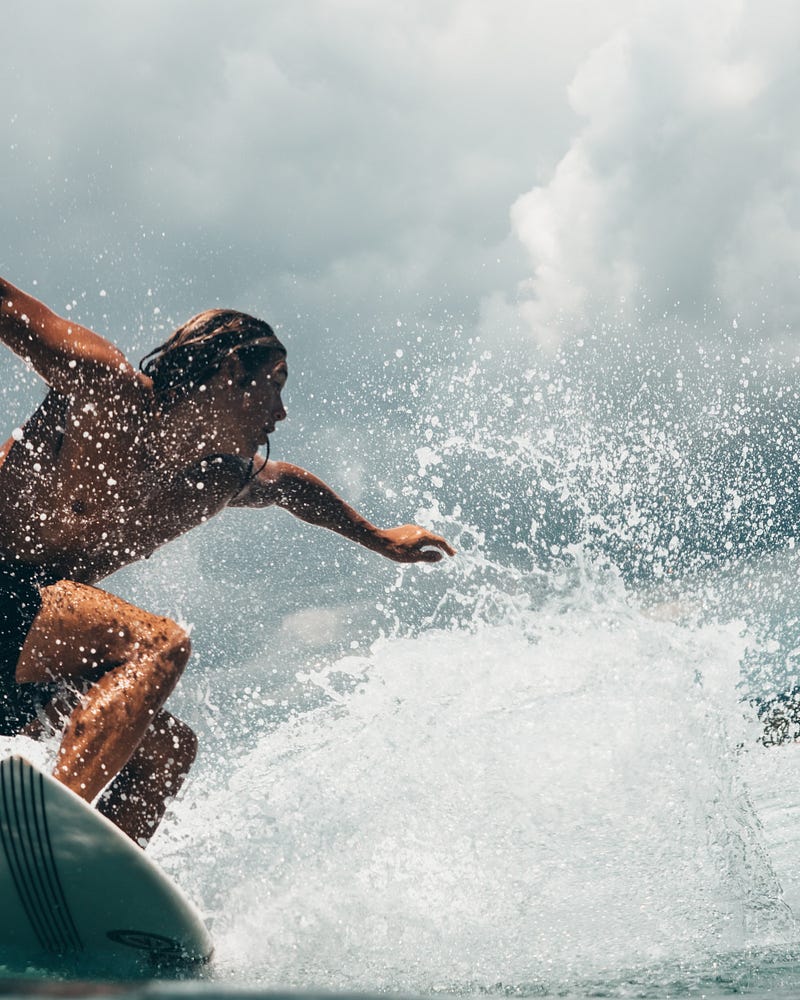
Surf culture’s lasting impact is seemingly forever, as the sport and the culture expands to encompass diversity around the world.
California and Hawaii have been the focus of the sport, yet people catch waves all of the world from Peru to Australia.
Now we know why the surfing culture, the clothing, the attitude the look, and the accessories move so rapidly into popular culture. Those people, woman and men, Black and White and everything in-between look good and if one can borrow what they wear, at the very least, to improve their appearance and attitude, then why not.
But Collins and most other surfers don’t do it for the look, they surf for the stoke, or in Hawaiian, the hopupu (ho-poo-poo). That’s the state of being excited about the prospect of and engagement in riding a wave. A stoked surfer is a happy surfer.
Hundreds of years ago, only the upper classes of Hawaiians surfed, and those who did had their own prayers, chants and boards. Adept surfers were honored. What’s even more unusual is that the surfers were in their 50s and 60s.
When the first resorts opened their doors in Hawaii, they promoted surfing and other water sports. Hawaiians came back to the beach to surf after it fell out of favor in the 19th century. Waikiki was the place to be as giant waves tunneled into the secluded beach. William Dole (Dole Pineapple Co) was one of the men who surfed there. The boards were crude and weighed up to a 100 pounds. After a day of surfing these guys didn’t have to go to the gym.
There were woman too. Princess Kaiulani was an expert surfer in the late 1800s when the center of surfing was in Kona. She rode a long olo board made of wili wili, or dark reddish brown seeds found on the Hawaiian Islands.
Somehow a few of these traditions have been carried out through the generations so that today’s wave riders do the same thing — surf their entire lives, honor those before them, and create rituals for themselves.
George Freeth brought surfing to Huntington Beach as a lifeguard. He saved many lives during a December storm and became a hero. He surfed, and, like the hero, many others began to take up the sport. Before long grass huts sprang up at outrigger clubs and surf culture began in coastal Southern California.
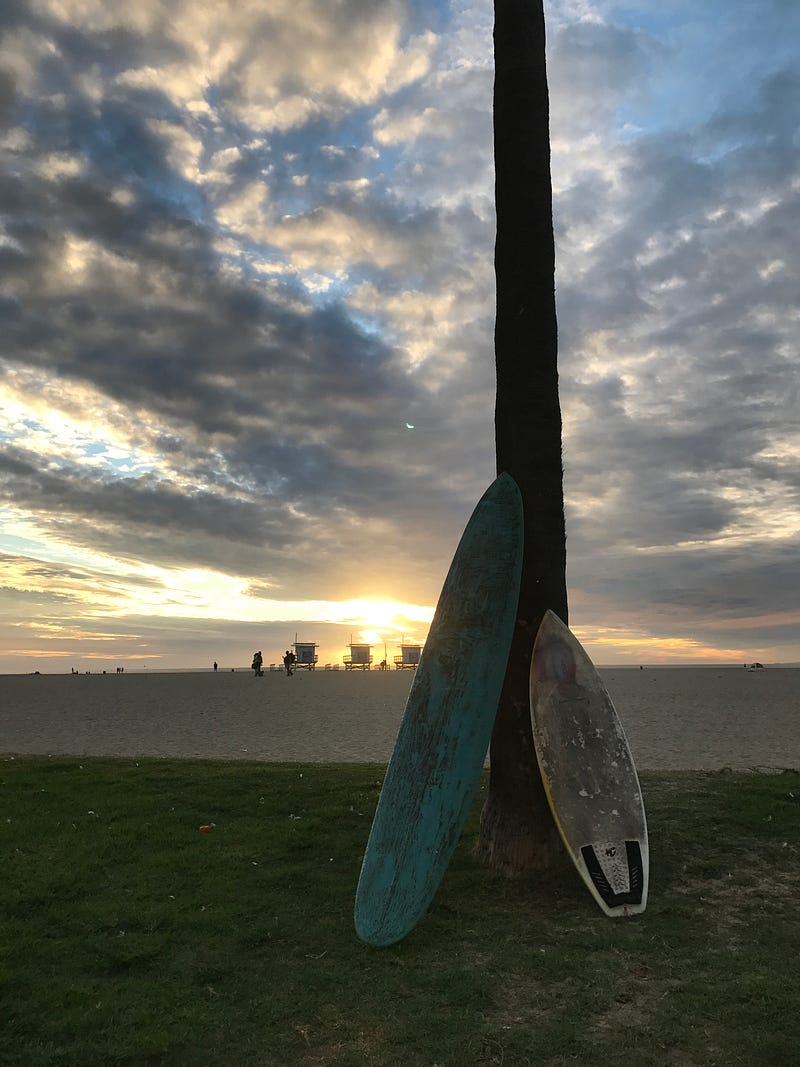
Then came the 50s when, after World War II surfing and its culture grew exponentially. Technology — resins, Styrofoam, and fiberglass — paved the way for lighter and better streamlined boards. Surfing’s Golden Age dawned under the Southern California sun and no one was immune. Not only did the sport introduce hoards of people to the waves but the culture overtook beach town after beach town with surf shops, pizza stands, surf bars, and any other amenities that catered to the burgeoning influence of the sport. An influence that is both fun and casual. But with it grew a culture that became tawdry, even to the surfer.
Today’s rituals have grown a little more sophisticated than the long days of the beach blanket movies. Stuffing wild bikinis, much less putting ghosts in them, while worthy in a pop sort of way, have come back as a sort of pseudo force that tells us how we were by analyzing why Hollywood came up with such a take on the surf culture.
This “above all” commentary about the 60s generation is pervasive in the media. It tells us that movies such as these were made to provide an escape from the realities of the time — the Vietnam War and the Cold War — that was too intense for teens to handle so that Hollywood served up a bunch of wacky surfers who fell in love with each other and sang about it.
Most will agree, however, that these movies and Frank and Annette were there to have fun at the beach and honor the lifestyle of the cool surfer dude. Back then, others accompanied the culture in the NOT-suit-and-tie generation, the Harley gang, the Erich Von Zippers of the world. He was the guy who gave himself the finger, paralyzing himself in the Beach Party movie.
Southern California became the center of the culture, from the Beach Boys to Gidget, from pretend surfers on boogie boards to real surfers who traveled the world seeking the perfect wave. Little enclaves of surf cultures sprouted up not only in San Diego, Santa Cruz, Long Beach, and Palos Verdes, but also in communities in Peru, South Africa and Australia and they don’t resemble the characters in the movies back then. Surfing is for everyone,
On the beach and in the night clubs were surfers who wore Goodyear treaded Huarache sandals, Pendleton shirts, and faded Levi’s listening to the likes of the Bel Airs, Dick Dale and the Deltones, and The Baymen and songs such as Pipeline and Wipe Out. The endless summer seemed as if it would never end.
And its back. Right on the heels of the growing affection for all things Polynesian, rattan furniture, swiveling hula dancers and tropical cocktails.
Just like the early days of Hawaiian royalty people are looking to both spiritual and real role models to look up to.
The first is the father of surfing, Duke Kahanamoku, the Polynesian who popularized surfing worldwide. He surfed in Hawaii even as missionaries prohibited it. He named himself after the Duke of Edinburgh and won three gold medals in swimming at the 1912 Olympics. He surfed on a long board made of redwood. The Postal Service could honor him in 2002, according to the Honolulu Star-Bulletin. His statue on Waikiki Beach is a landmark, and he’s considered by many to be a symbol of the Aloha spirit.
The second is the spiritual God of Tiki, the Polynesian guide to the spirits. “Surfers have been into as long as I can remember,” comments Amy Haden, a Santa Cruz surfer. A Tiki of King Kamehameha’s personal god Kukailimoku greets visitors at the surf museum in Oceanside, carved from a telephone pole by a young Hawaiian surfer in the 1930s.
On the beach in Santa Cruz, beyond Hayden, the surfers are playing a waiting game. The seals are hawking as they sit there paddling slowly around in a circle.
Then, in the distance the water lifts itself blocking the horizon while moving forward. Two of about 10 men are in just the right place and paddle as the incipient wave lifts them, the beginning of their ride.
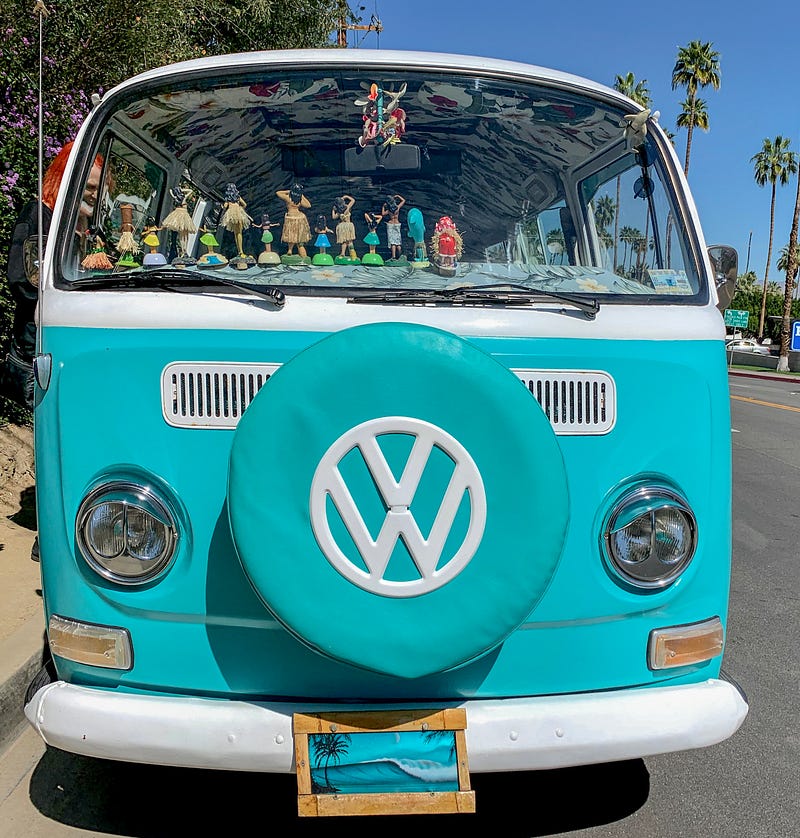
As Hayden climbs into her Volkswagen her foot dangles outside as she reaches for her Irish setter, Kale’a (beautiful one in Hawaiian), revealing an ankle encircled by feet. The feet are the Hang Ten symbol, no doubt the most evasive practice of surfing without leaving the board — the practice of moving to the front of it while still hanging on.
While in Palm Springs there’s a new surf park with perfect waves. To see the surfers there is quite unique as they swivel, curving in and out like a train going down a switchback, only ten times the speed.
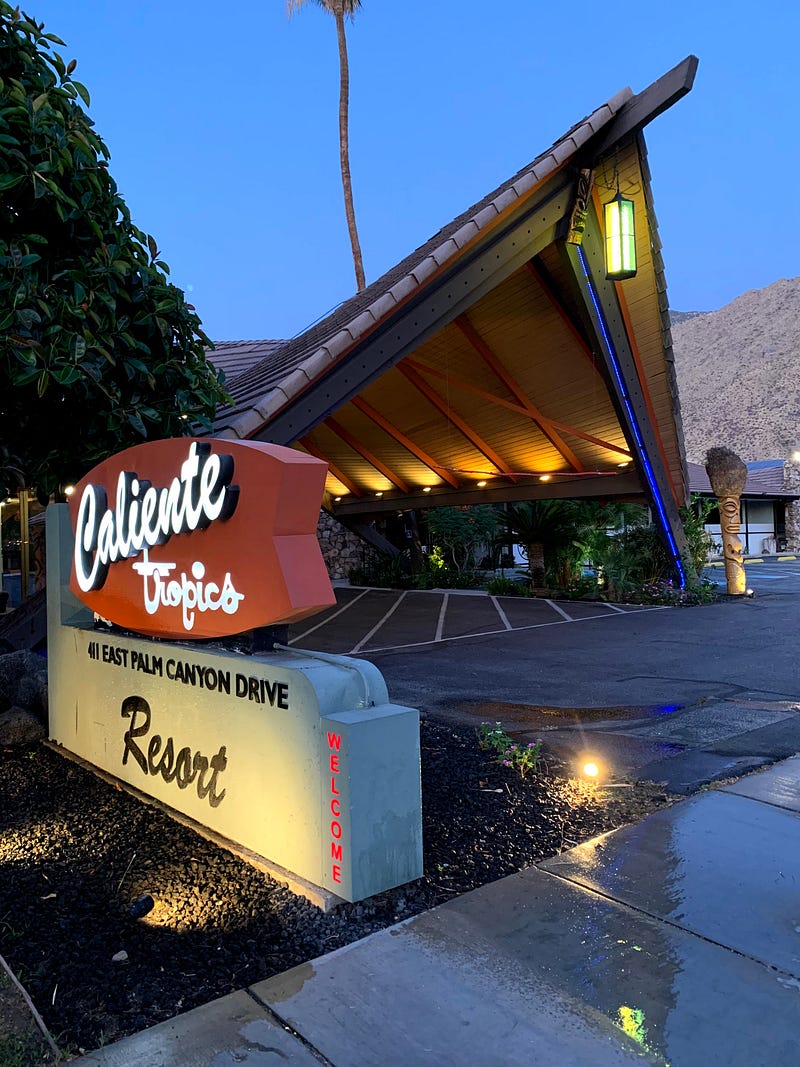
Hawaiian themed hotels such as the Caliente Tropics and The Royal Hawaiian in Palm Springs have many doing dancing to an island beat.
Everybody’s surfin’ now is a California attitude, one whose style is with us from the coasts of every shoreline all over the world.
Catch a wave of education at three California surfing museums.
Surfing Museums in California
The Santa Cruz Lighthouse and Surfing Museum
Mark Abbott Memorial Lighthouse
701West Cliff Drive, Santa Cruz, CA
https://www.californiabeaches.com/attraction/santa-cruz-surfing-museum/
California Surf Museum
308 North Pacific Street located near the Oceanside Pier
Oceanside, CA
The International Surf Museum
411 Olive Ave.
Huntington Beach, CA