avatarAugust Birch

Free AI web copilot to create summaries, insights and extended knowledge, download it at here

2526

Abstract

</a> </div><h1 id="d348">What do dad jokes have to do with writing?</h1><p id="2a74">Nothing. I just like to talk about dad jokes and I’ll use any excuse I can get.</p><p id="f752">No, really, this type of stupid-humor can be helpful when we work to tighten our writing.</p><p id="d669"><b>There’s no room for page-padding, and excessive exposition if you want to hold your reader’s attention.</b></p><p id="9414">We don’t have the time, nor the energy for you to deliver an experience in seven pages that could be delivered better in seven sentences. Dad jokes will help us get there.</p><ul><li>Dad jokes are short (there are no paragraph-long dad jokes)</li><li>A good dad joke serves a broad audience, because their simple to understand. My seven-year-old laughs as often as the thirty-year-olds</li><li>Dad jokes are obvious, but only <i>after </i>we hear the punchline</li><li>A good dad joke will elicit an emotional response of some kind</li><li>A good dad joke is playful with language</li><li>A good dad joke is acceptable for all audiences</li></ul><p id="6124" type="7">When does a regular joke turn into a dad joke? When it becomes fully-groan.</p><p id="eb8c"><b>Writers can learn a lot from the dad joke framework.</b></p><p id="f30e">You don’t have to write humor to benefit, either. I find joke studying as a fun way to attack the writing with a similar ethos to Hemingway’s style — the <i>Iceberg Theory</i>.</p><p id="73b0">Hemingway describes this process as writing by omission, where you only write the tip of the iceberg. Your reader already knows the stuff beneath the surface, so there’s no point in writing it.</p><p id="8a13"><b>Not everyone loves Hemingway, I get it.</b></p><p id="68c4">Not everyone loves dad jokes. There may be something wrong with those folks, but not you… right? Please don’t let it be you.</p><p id="38e9"><b>Whether you love a good dad joke or not, you can put your writing beneath a magnifying glass.</b></p><p id="ffa0">There’s always room for scrutiny. There’s always room to remove more words, leave a little white space, and breathe some life into a dead sentence.</p><h2 id="f1bf">How to ‘dad joke’ your writing:</h2><ul><li>Tighten your sentences</li><li>Remove redundant words that say the same thing and repeat themselves</li><li>Leave out the parts your reader already knows</li><li>Skip the boring parts altogether</li><li>If we can guess the <i>punchline </i>you haven’t tried hard enough</li><li>Play with your word choices. First choice isn’t always # Options the best choice</li><li>Make us giggle sometimes (even with serious writing)</li></ul><div id="2e7e" class="link-block"> <a href="https://readmedium.com/five-steps-to-find-writing-time-even-if-you-have-three-jobs-and-a-family-6bc1468e1cc4"> <div> <div> <h2>Five Steps to Find Writing Time Even if You Have Three Jobs and a Family</h2> <div><h3>You’re not alone. We’re all too busy to think. Here’s how to get it done.</h3></div> <div><p>medium.com</p></div> </div> <div> <div style="background-image: url(https://miro.readmedium.com/v2/resize:fit:320/0*ZrHsM-lR_hsT22BY)"></div> </div> </div> </a> </div><h1 id="227a">It’s time to ‘dad joke’ your writing</h1><p id="34d6">We want to get-in and get-out. Your writing should immerse us, but not bore us. We want to be surprised, stupefied, and mesmerized, but we’ll also try and predict what will happen. We better be wrong.</p><p id="1529"><b>This is a tool for simplifying your work.</b></p><p id="006e">We don’t have a lot of time for reading, so the reading time we do have, is sacred. Please don’t steal our time with longer prose than necessary. Please engage us with every page. And don’t let us guess the punchline accurately.</p><p id="cbc0" type="7">What do you call a fly with no wings? A walk.</p><p id="957d"><b>Let’s write stories readers will engage with.</b></p><p id="900a">Let’s create work that readers will buy and share with friends.</p><p id="f7a7">If you want your readers to buy your next book, you better create an email list you own. Tap the link below, and <a href="https://www.subscribepage.com/tribe1K"><b>enroll in my FREE Tribe 1K indie email masterclass</b></a>. I’ll show you how to get your first 1,000 subscribers (and your next 1,000) without spending a hot nickel on ads.</p><p id="bd05"><b>We’re waiting for you.</b></p><p id="ddf1"><a href="https://www.subscribepage.com/tribe1K"><b>Enroll in my Email Masterclass. Get Your First 1,000 Subscribers</b></a></p><p id="05a9">August Birch (AKA the Book Mechanic) is both a fiction and non-fiction author from Michigan, USA. As a self-appointed guardian of writers and creators, August teaches indies how to make work that sells and how to sell more of that work once it’s created. When he’s not writing or thinking about writing, August carries a pocket knife and shaves his head with a safety razor.</p></article></body>

Studying Dad Jokes Will Help You Become a Better Writer?

The groans, moans, and grins of silly humor will give your writing a tune-up
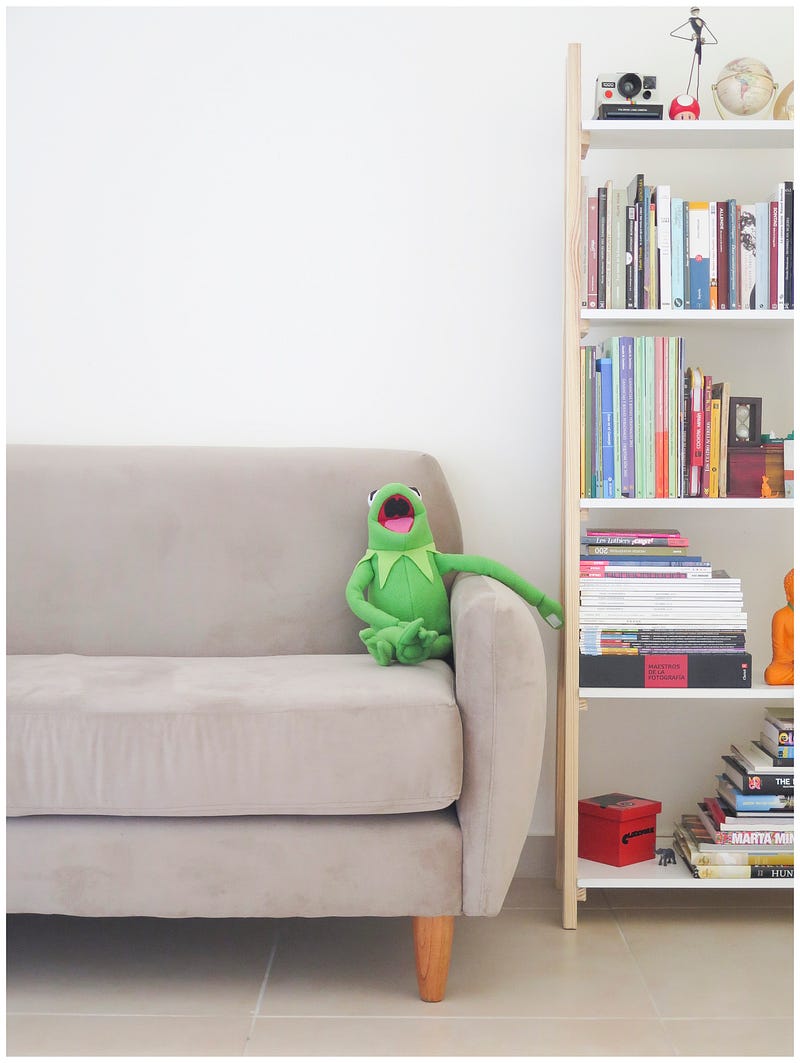
Photo by Marcela Rogante on Unsplash

Full-disclosure here: I love myself a good ‘dad joke.’ I think most of them are fantastic. I keep a running list of dad jokes in my phone. Plus, I’m a dad. You may not think they’re funny. But I won’t hold your lack of taste for the finer side of humor, against you.

Whether you enjoy a good dad joke or not, these gems have a lot to teach us writers.

What makes a great dad joke?

Two things:

  1. Simplicity
  2. An unexpected twist

For example, here’s one of my go-to favorites when I introduce people to the world of great dad jokes:

What’s red and bad for your teeth? A brick.

The answer is 100% truthful and the joke is simple. But we’d never guess it. There’s an unexpected twist with the punchline. We think about the question a minute. We know the answer won’t be what we guess. And we wait to be duped once the punchline is delivered. Voila.

The jokes that work are (almost) impossible to guess, yet they deliver an obvious, eye-rolling answer, so clear we kick ourselves for not uncovering it on our own.

Dad jokes are short. They aren’t over-wordy. Every word used is deliberate. This isn’t one of those long, water-cooler knee slappers about the nun with the dynamite. Dad jokes are one-liners.

What do dad jokes have to do with writing?

Nothing. I just like to talk about dad jokes and I’ll use any excuse I can get.

No, really, this type of stupid-humor can be helpful when we work to tighten our writing.

There’s no room for page-padding, and excessive exposition if you want to hold your reader’s attention.

We don’t have the time, nor the energy for you to deliver an experience in seven pages that could be delivered better in seven sentences. Dad jokes will help us get there.

  • Dad jokes are short (there are no paragraph-long dad jokes)
  • A good dad joke serves a broad audience, because their simple to understand. My seven-year-old laughs as often as the thirty-year-olds
  • Dad jokes are obvious, but only after we hear the punchline
  • A good dad joke will elicit an emotional response of some kind
  • A good dad joke is playful with language
  • A good dad joke is acceptable for all audiences

When does a regular joke turn into a dad joke? When it becomes fully-groan.

Writers can learn a lot from the dad joke framework.

You don’t have to write humor to benefit, either. I find joke studying as a fun way to attack the writing with a similar ethos to Hemingway’s style — the Iceberg Theory.

Hemingway describes this process as writing by omission, where you only write the tip of the iceberg. Your reader already knows the stuff beneath the surface, so there’s no point in writing it.

Not everyone loves Hemingway, I get it.

Not everyone loves dad jokes. There may be something wrong with those folks, but not you… right? Please don’t let it be you.

Whether you love a good dad joke or not, you can put your writing beneath a magnifying glass.

There’s always room for scrutiny. There’s always room to remove more words, leave a little white space, and breathe some life into a dead sentence.

How to ‘dad joke’ your writing:

  • Tighten your sentences
  • Remove redundant words that say the same thing and repeat themselves
  • Leave out the parts your reader already knows
  • Skip the boring parts altogether
  • If we can guess the punchline you haven’t tried hard enough
  • Play with your word choices. First choice isn’t always the best choice
  • Make us giggle sometimes (even with serious writing)

It’s time to ‘dad joke’ your writing

We want to get-in and get-out. Your writing should immerse us, but not bore us. We want to be surprised, stupefied, and mesmerized, but we’ll also try and predict what will happen. We better be wrong.

This is a tool for simplifying your work.

We don’t have a lot of time for reading, so the reading time we do have, is sacred. Please don’t steal our time with longer prose than necessary. Please engage us with every page. And don’t let us guess the punchline accurately.

What do you call a fly with no wings? A walk.

Let’s write stories readers will engage with.

Let’s create work that readers will buy and share with friends.

If you want your readers to buy your next book, you better create an email list you own. Tap the link below, and enroll in my FREE Tribe 1K indie email masterclass. I’ll show you how to get your first 1,000 subscribers (and your next 1,000) without spending a hot nickel on ads.

We’re waiting for you.

Enroll in my Email Masterclass. Get Your First 1,000 Subscribers

August Birch (AKA the Book Mechanic) is both a fiction and non-fiction author from Michigan, USA. As a self-appointed guardian of writers and creators, August teaches indies how to make work that sells and how to sell more of that work once it’s created. When he’s not writing or thinking about writing, August carries a pocket knife and shaves his head with a safety razor.

Writing
Freelancing
Life
Life Lessons
Self Improvement
Recommended from ReadMedium