avatarAugust Birch

Free AI web copilot to create summaries, insights and extended knowledge, download it at here

2953

Abstract

u wanted to write historical non-fiction and end up writing thrillers. Maybe you though you wanted to be a thriller writer an love writing memoir.</p><p id="9874">Eventually, yes, you should choose a niche and stick with it. A single niche is one of the only ways you’ll build a sizable fan-base who’ll keep buying your books.</p><p id="190a"><b>Start small. Write an article or short story first. Don’t start with a book or novel.</b></p><p id="eba3">Choose a single topic. Get the microscope out and zoom-in deep. Write about a single thing, person, or event. Be kind to yourself. You’ve got a lifetime of writing to improves, but you’ve got to get the first piece done to write the second.</p><p id="8447">Write as fast as you can, without self-editing. There’ll be plenty of room for that later.</p><p id="ef09">You won’t break anything.</p><p id="5e5d"><b>There are no rules.</b></p><p id="c01f">No one needs (nor no one should) read this first piece.</p><p id="4a87">Don’t keep a huge notebook of ideas. All those ideas will distract you more than help you. Take a solid idea rattling in your mind and get it on paper as fast as you can.</p><p id="e3b5"><b>Write that idea until it’s finished. Don’t start a second piece until the first is done.</b></p><div id="16b0" class="link-block"> <a href="https://readmedium.com/how-to-finish-writing-your-story-even-if-you-feel-shame-fear-or-doubt-da09393bf5fa"> <div> <div> <h2>How to Finish Writing Your Story, Even if You Feel Shame, Fear, or Doubt</h2> <div><h3>Why 97% of all writing obstacles live inside our ‘author’s mind’</h3></div> <div><p>medium.com</p></div> </div> <div> <div style="background-image: url(https://miro.readmedium.com/v2/resize:fit:320/0*3vfGFkbs-ah_kEVt)"></div> </div> </div> </a> </div><h1 id="7396">Why is finishing so important?</h1><p id="f089">A half-written manuscript does not make a book. A quarter-written short story is an unfinished idea. A third-written article or blog post is little more than idea-gathering.</p><p id="cc7c"><b>We can’t read your work unless you finish it.</b></p><p id="5d43">You can’t edit the full-body of your writing piece unless you finish.</p><p id="705d">I learned this the dirty, hard way. And it still haunts me to this day. It took me five unpublished manuscripts (millions of words junked) before I finally pulled-up my pants and published my first.</p><p id="a6e2"><b>Finishing what you start is the number one hardest writing obstacle I’ve ever encountered.</b></p><p id="d639">Daily Medium writing has helped this work process a lot. But there’s a mental wall that we face when we get close to the end. Starting a writing project is easy.</p><p id="458d"><b>There are no rules.</b></p><p id="f0f4">You’re a freaking genius at the keyboard.</p><p id="ebdc"><

Options

b>The world is your clam shell.</b></p><p id="1f02">Then, you get close — either you hit the middle or the three-quarter mark. That’s when the heavy-hand of self-doubt taps you on the shoulder and gives you 1,364 different to-do ideas to distract you from your writing at-hand.</p><p id="d0a4"><b>This is the moment we’re tested — the moment we must push through.</b></p><div id="ea18" class="link-block"> <a href="https://readmedium.com/how-to-earn-a-lot-of-money-from-your-part-time-writing-6576d1cb83b"> <div> <div> <h2>How to Earn a Lot of Money from Your Part-Time Writing</h2> <div><h3>The key is to have your writing work for you — not the opposite</h3></div> <div><p>medium.com</p></div> </div> <div> <div style="background-image: url(https://miro.readmedium.com/v2/resize:fit:320/0*qlBBy1wkA6HHoRdi)"></div> </div> </div> </a> </div><h1 id="de22">The writing doesn’t exist unless it’s finished</h1><p id="a21f">The manuscript is not a book. The half-written article is not an article. Even that email to your readership, you keep delaying — it must be finished.</p><p id="dd86"><b>When we finish we give ourselves the tools for growth.</b></p><p id="05e6">When we finish we have a final product to learn from.</p><p id="38fa">When we finish, yes we make ourselves vulnerable to feedback, but we also get the opportunity to serve the people we were mean to serve.</p><p id="f488">Writing is the best vocation on earth. We create something from nothing. We change lives for the better. We provide comfort, escape, and entertainment. But the writing doesn’t exist unless we finish.</p><p id="7c09"><b>It’s important to finish the first project before you start the next.</b></p><p id="9e24">Then you’ll have something to share with your tribe.</p><p id="f46f"><b>The time to build that tribe, is now.</b></p><p id="8b56">This should be a list you <i>own </i>(instead of relying on social media or some other big-business platform). Tap the link below. <a href="https://www.subscribepage.com/tribe1K"><b>Enroll in my Tribe 1K indie email masterclass</b></a>. I’ll show you how to get your first 1,000 subscribers (and your next 1,000) without spending one hot nickel on ads.</p><p id="d219"><b>We’re waiting for you.</b></p><p id="a752"><a href="https://www.subscribepage.com/tribe1K"><b>Enroll in my Free Email Masterclass. Get Your First 1,000 Subscribers</b></a></p><p id="3b37">August Birch (AKA the Book Mechanic) is both a fiction and non-fiction author from Michigan, USA. As a self-appointed guardian of writers and creators, August teaches indies how to make work that sells and how to sell more of that work once it’s created. When he’s not writing or thinking about writing, August carries a pocket knife and shaves his head with a safety razor.</p></article></body>

I Have No Idea What to Write — Where do I Start?

The new writer’s question of the ages… and the answer is easier than you think
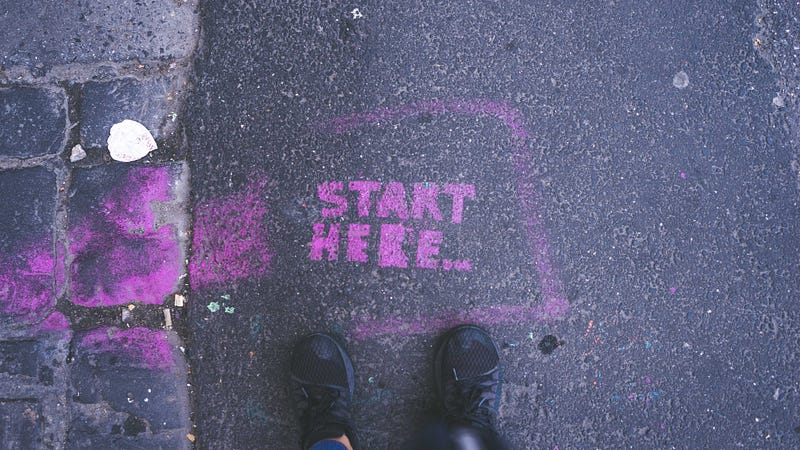
Photo by Gia Oris on Unsplash

My email clients send this question a lot. Many of these folks are new to writing. They know they want to be writers, or have written a lot in the past, but have no idea what to write first.

Starting is tough.

There’s a blank page. Maybe an idea. Maybe three-dozen.

If there’s a single piece of advice I could give to a new writer, more-important than any mechanical, grammatical, or formatical tips — it would be to finish what you start.

  • No matter how bad you think the piece of writing is (by the way you don’t get to decide if it’s good or not, only your readers get the honors)
  • No matter if you think the subject is worth reading
  • No matter if you think the story is interesting

The best way you’ll learn as a writer — and to learn much faster — is to finish everything you start. With the one caveat the idea is so bad you crumple it after a couple sentences, never to return. That kind of gut-check is OK.

Everything else needs to be finished.

Starting is easy. I’ll share a few tips you can use to write your first whatever — and a huge strategy to get better from every piece of writing thereafter.

So, what do I write?

The first step is to choose who you serve. This means your genre, tribe, or niche. What do you want to write about? What subject keeps you up at night? What do you find so fascinating you can’t imagine not writing about it?

Write about that.

Unless you’re 100% sure of your subject, it’s important that you dabble a lot, early in your writing journey. Maybe you move from sci-fi to westerns. Perhaps you thought you wanted to write historical non-fiction and end up writing thrillers. Maybe you though you wanted to be a thriller writer an love writing memoir.

Eventually, yes, you should choose a niche and stick with it. A single niche is one of the only ways you’ll build a sizable fan-base who’ll keep buying your books.

Start small. Write an article or short story first. Don’t start with a book or novel.

Choose a single topic. Get the microscope out and zoom-in deep. Write about a single thing, person, or event. Be kind to yourself. You’ve got a lifetime of writing to improves, but you’ve got to get the first piece done to write the second.

Write as fast as you can, without self-editing. There’ll be plenty of room for that later.

You won’t break anything.

There are no rules.

No one needs (nor no one should) read this first piece.

Don’t keep a huge notebook of ideas. All those ideas will distract you more than help you. Take a solid idea rattling in your mind and get it on paper as fast as you can.

Write that idea until it’s finished. Don’t start a second piece until the first is done.

Why is finishing so important?

A half-written manuscript does not make a book. A quarter-written short story is an unfinished idea. A third-written article or blog post is little more than idea-gathering.

We can’t read your work unless you finish it.

You can’t edit the full-body of your writing piece unless you finish.

I learned this the dirty, hard way. And it still haunts me to this day. It took me five unpublished manuscripts (millions of words junked) before I finally pulled-up my pants and published my first.

Finishing what you start is the number one hardest writing obstacle I’ve ever encountered.

Daily Medium writing has helped this work process a lot. But there’s a mental wall that we face when we get close to the end. Starting a writing project is easy.

There are no rules.

You’re a freaking genius at the keyboard.

The world is your clam shell.

Then, you get close — either you hit the middle or the three-quarter mark. That’s when the heavy-hand of self-doubt taps you on the shoulder and gives you 1,364 different to-do ideas to distract you from your writing at-hand.

This is the moment we’re tested — the moment we must push through.

The writing doesn’t exist unless it’s finished

The manuscript is not a book. The half-written article is not an article. Even that email to your readership, you keep delaying — it must be finished.

When we finish we give ourselves the tools for growth.

When we finish we have a final product to learn from.

When we finish, yes we make ourselves vulnerable to feedback, but we also get the opportunity to serve the people we were mean to serve.

Writing is the best vocation on earth. We create something from nothing. We change lives for the better. We provide comfort, escape, and entertainment. But the writing doesn’t exist unless we finish.

It’s important to finish the first project before you start the next.

Then you’ll have something to share with your tribe.

The time to build that tribe, is now.

This should be a list you own (instead of relying on social media or some other big-business platform). Tap the link below. Enroll in my Tribe 1K indie email masterclass. I’ll show you how to get your first 1,000 subscribers (and your next 1,000) without spending one hot nickel on ads.

We’re waiting for you.

Enroll in my Free Email Masterclass. Get Your First 1,000 Subscribers

August Birch (AKA the Book Mechanic) is both a fiction and non-fiction author from Michigan, USA. As a self-appointed guardian of writers and creators, August teaches indies how to make work that sells and how to sell more of that work once it’s created. When he’s not writing or thinking about writing, August carries a pocket knife and shaves his head with a safety razor.

Writing
Freelancing
Self Improvement
Personal Development
Life Lessons
Recommended from ReadMedium