
Stories from War: Let’s Talk about Health Care Quality in Syria
It was the middle of the night. The electricity was still out. Suddenly, the phone started ringing. The hand hugging me pulled away slowly. “Hello!” my mom said as she answered the phone. “I will see what I can do,” she ended the phone call. My mom spent the following hour or so calling surgeons she knew, asking if they could perform an urgent surgery on a relative of us. None of them agreed to go to the hospital in the middle of the night. You cannot blame them. With missiles falling around and the kidnapping threats most doctors were receiving, crossing Damascus streets during that time was a life sentence. Our relative died that night, not because of complicated disease, but because of inadequate medicine. The destruction of health care quality is one of the largest effects the civil war had on Syria.
This story happened more than eight years ago. Through the past years, the health care situation in Syria has gotten worse. With more than 50% of Syrian medical experts having fled the country, getting quality treatment has become nearly impossible (doctors of the world, 2021). Not only there aren’t enough doctors, but “access to medicines for emergency care, pain control, and palliative care remains shockingly restricted in the country” (Lehy, 2018).
“ We have shortages in everything, including surgery materials. For example, when we get patients in need of joint replacement surgery, we ask them to buy the joint themselves. Of course, a joint would cost around 1.5 million compared to the 50K salary of most employees in Syria. Sometimes, we cannot even conduct the necessary tests” said Dr. Karam Al Essa, a general surgery resident in Syria.
The harsh sanitary conditions in Syria resulted in the ideal environment for many diseases that were rarely transmitted for years. Tuberculosis (TB) is one of these diseases (Abbara, 2020). The number of TB cases in Syria reported to WHO, rose to 23 per 100,000 compared to 7.7/100,000 in Jordan in 2012. TB transmission went down to 12 per 100,000 in 2017 (WHO, 2019).
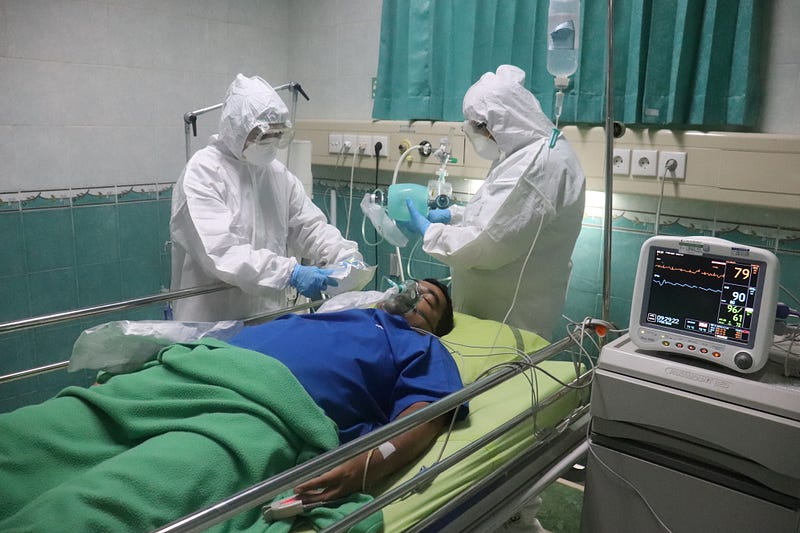
This past year, with the Covid 19 pandemic, the situation has gotten worse. A large number of doctors died last year because of Covid. The increase in goods prices has made it difficult for the population to follow protective measurements like wearing masks and sanitizing frequently. Not having necessary measurements, like staying six feet apart, along with not having enough water to wash, enhanced the spread of this virus. In such conditions, choosing to stay at home to protect themselves is not an option for Syrians as feeding their families and providing their necessary needs is their main priority. Doctors at the hospitals are working with limited resources, which puts them at higher risk for Covid.
“During the pandemic, there weren’t enough beds in the ER for all the covid patients. Many departments and clinics at the hospital were closed and turned into an extra ER space. Since we did not have enough beds for post-surgery recovery, we had to cancel a large number of surgeries and conduct mainly the urgent ones” said Dr. Ruba Fasshia, a general surgery resident in Syria.
Organizations like WHO are trying to provide more medicine and health care to Syrians. However, without the world’s help, they can only do much as resources are limited, and there is not enough information on where help is needed.