Stop! Mood Swings — Improve Mental Health with Food
Don’t take away my comfort foods! I need them!
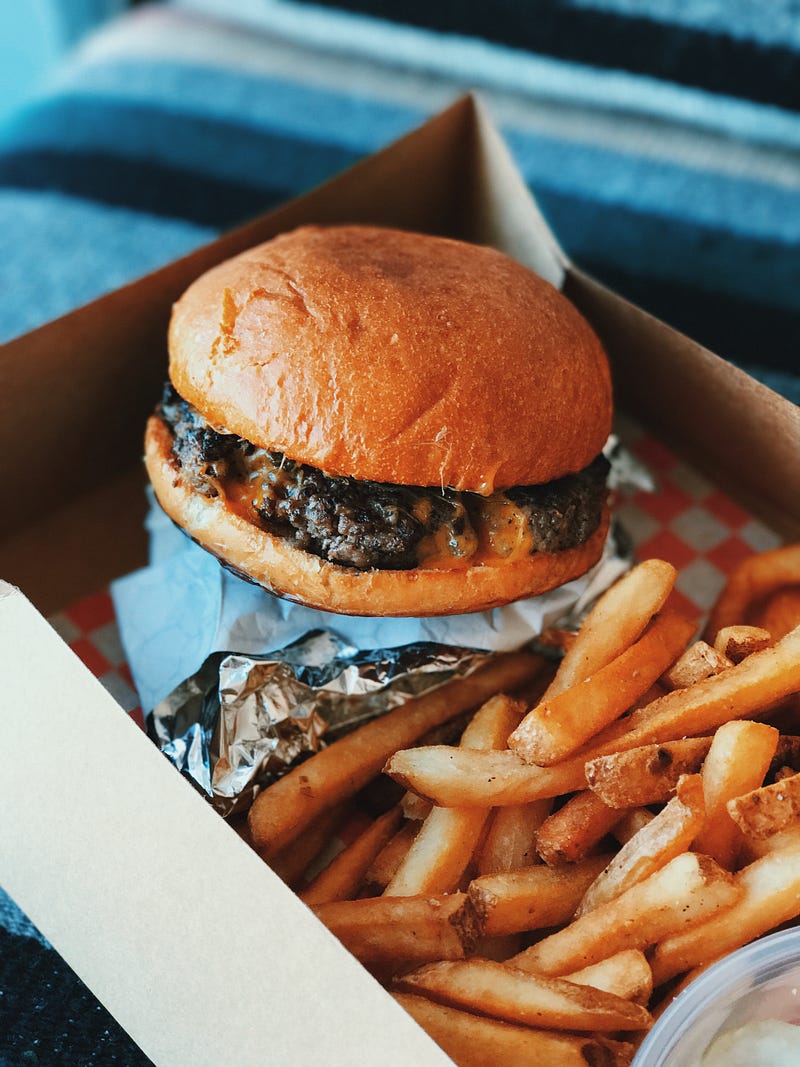
We have all had that feeling after eating a greasy meal. You are constantly sluggish, you are exhausted and have no energy. Eating fast food is not only bad for your health but it also has adverse effects on your mood.
How Nutrition Impacts Your Mood
For many people, their diet is not the healthiest. This can be due to a lack of time to cook healthy meals or poor cooking skills. There are some people that are not aware that certain foods can affect their mood. Eating the right foods is important for good nutrition, but it is also essential for maintaining a positive mood throughout the day.
Some of these foods include things like dark chocolate, nuts, fruits with high water content, and leafy greens. Not only do these foods provide nutrients needed for physical development and energy levels, but they also increase dopamine levels in the brain which have been proven to alleviate depression symptoms.
Comfort Foods and Why They’re Important
Human beings have been relying on comfort foods for centuries as a way to combat the stress and anxiety. This comes from living in an unpredictable world. It can feel like a simple way of making our lives more manageable. We sometimes look for support we need from food alone.
What we Eat Affects our Mental Health — Can Food Help Lower Depression?
Depression is an illness that affects people worldwide. It can make you feel sad, hopeless, and even irritable. This can lead to problems with relationships, work, and other aspects of life.
Luckily there are many different treatments for depression, but one that people don’t often think about is food. With the right foods you can have an easier time fighting depression symptoms.
There are certain foods that have been shown to help fight depression symptoms such as vitamin D rich foods like salmon or sardines.
Omega-3 rich foods like walnuts or salmon, dark leafy greens like spinach or kale which are high in folate which helps with mood regulation.
Berries are high in antioxidants and help protect the brain from free radical damage.
Not only do the right foods provide some relief but they also help build your immune system and improve your health.
Letting Go of My Old Comfort Foods
Most people who know me, think I have a tremendous amount of will power. This is because I can avoid many of the foods they cannot live without. It is not really difficult for me at all.
When I was first afflicted with major digestive food allergies as a teenager, I felt isolated. Back then, there was no internet to help me understand what was going on, and how others coped with this illness. I was alone, depressed and stopped eating with my family. I would cry seeing food that I could no longer have. It was an extremely emotional experience.
It’s hard enough to be an emotional teenager, but this situation made it much worse. I wanted to scream, cry and believed life to be unfair. I could no longer eat bread, pasta, all desserts except fruits, as well as many other foods. This was the majority of foods that “normal” people eat. Basically it was a highly restrictive elimination diet.
After I got used to “being special”, I did not like telling people it was a severe allergy that landed me in the hospital many times. They would feel sorry for me. Most of the time I would say that I did not like something. But, really — who doesn’t like pizza, chocolate and ice cream?
I learned to cope with the situation. The most important thing I learned:
You can chose to be happy!
Food will not control me or how I feel!
My Brain Tried to Make Me Believe I was Like Everyone Else
What happens next is your brain convinces you, that you have outgrown this allergy, and it won’t hurt you. So you decide to eat something you should not. Reality sets in, as I was in severe pain for several days. All this after eating something I was craving.
You do this again, several months later, as many times as it takes to — — finally make the decision to never eat it again. Pain for me made it easy to give these foods up.
I consider myself — very lucky. My food allergies have not allowed me to eat unhealthy foods, and in the process I am very healthy now. That is something I did not experience in my teen years all through my 30s.
I am in better shape and health now at 65 than I was in high school. I don’t have to watch my weight and have an incredible amount of energy and love to exercise and eat healthy. Best is — I don’t look my age and I feel great!
I am so grateful that I am “special”. I have encouraged others to get healthy. Most of all, the hardest thing is to let go of a food you love. I gave up chocolate several times, but always came back. That was until the pain was so severe I made a decision to Stop — Forever.
Now, I can look at chocolate, without any emotional issues. I can even smell it, and the memory of it remains with me as a great experience which is now completely over. Sort of like a divorce. It’s over. I am OK. I am happy.
Eating Healthy to Reduce Depression Risk
Some suggestions for eating healthy can help reduce depression. These can also help improve your health.
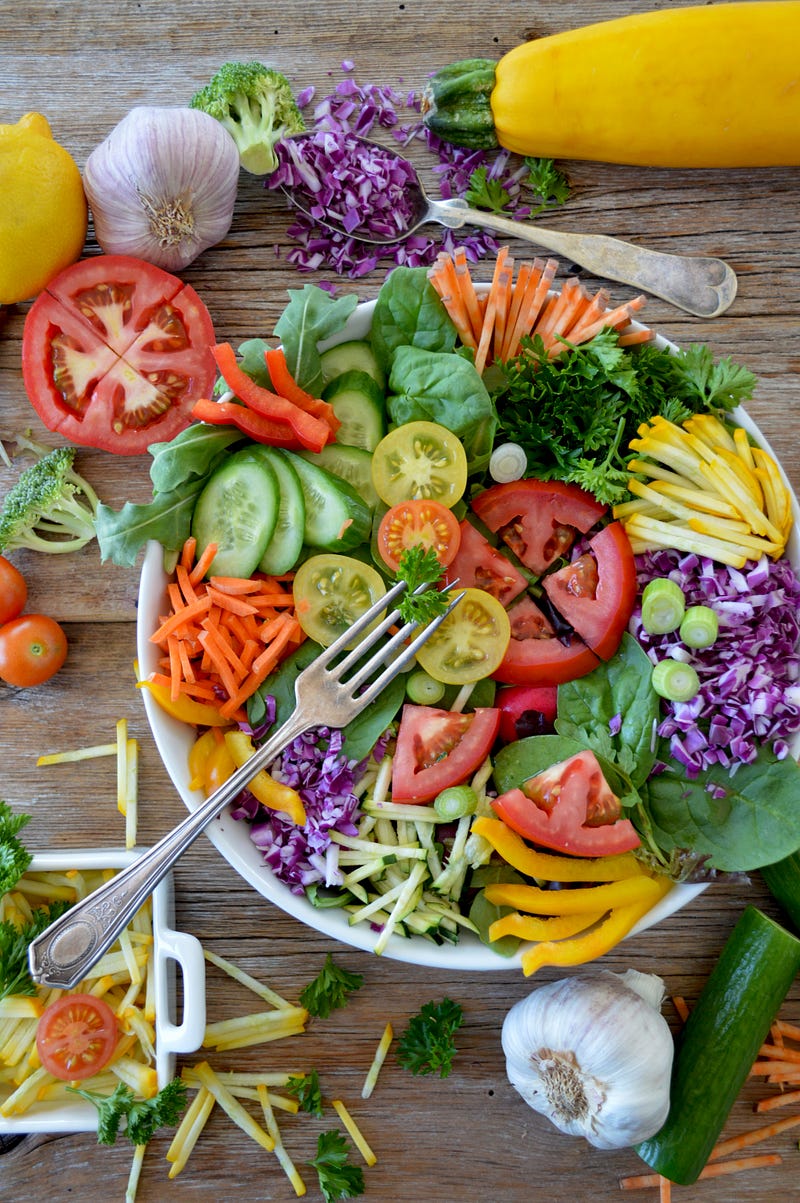
- Eating vegetables and fruits as these contain nutrients like magnesium and vitamins that are important for your mood.
- Avoiding processed food as it can be high in salt content and sugar which is not good for your health.
- Eating smaller portions and balancing proteins, carbs, and fat to keep you full longer.
- Drinking water every day to help you stay hydrated throughout the day.
This article is not a substitute for medical advice but I hope it provides some helpful information about ways to reduce depression risk by eating healthy!
Final Thoughts — Improve Your Mood with Food
Eating healthy can help improve mood because it reduces stress, boosts our immune system and decreases the likelihood of developing depression.
We should not restrict ourselves to just eating vegetables and salads. We should consume plenty of protein, fruits, vegetables and whole grains as well.