
GRAMMAR | WRITING | WRITING TIPS | READING |PROOFREADING
Stop Defining “There,” “They’re,” and “Their”
Mistakes with the “T” Words Happen Frequently, and It’s Not Because We Don’t Know What They Mean
Rules, explanations, and definitions of “there,” “their,” and they’re” seem to be growing exponentially. They pop often in articles about how to write and memes on Facebook.
At least 325 pins appear on Pinterest for the “T” words, including the words printed on coffee cups and t-shirts. (I was too lazy to count the pins, so multiplied uneven columns by uneven rows making my final number approximate.)
Stop Telling Us What These Words Mean. We Know What They Mean!
By now, most literate adults understand the meanings of the “T” words. The few that don’t probably won’t get it by looking at memes. And they probably don’t do much writing or consider themselves writers.
The question isn’t another meme or explanation on Facebook. It’s understanding why so many of us who are writers often make these mistakes when we know better.
It’s Your Ears’ Fault
You may not realize it, but our brains “hear” words as we type. When one word sounds like another word, it’s easy to use the wrong word.
Yesterday, I typed “hear” when I meant to type “here.” Obviously, I don’t need some grammar nerd to explain the difference between “hear” and “here.” (Just in case you’re wondering, words that sound alike are called “homonyms.”)
If you’re on a roll, inspired by what you’re writing, and going lickety-split on your keyboard, don’t be surprised if you make mistakes with words that sound alike.
Caveat: Yes, some words that sound alike aren’t common. Did you mean “horde” or “hoard?” You might not know the difference. That’s why we have on-line dictionaries.
The Solution
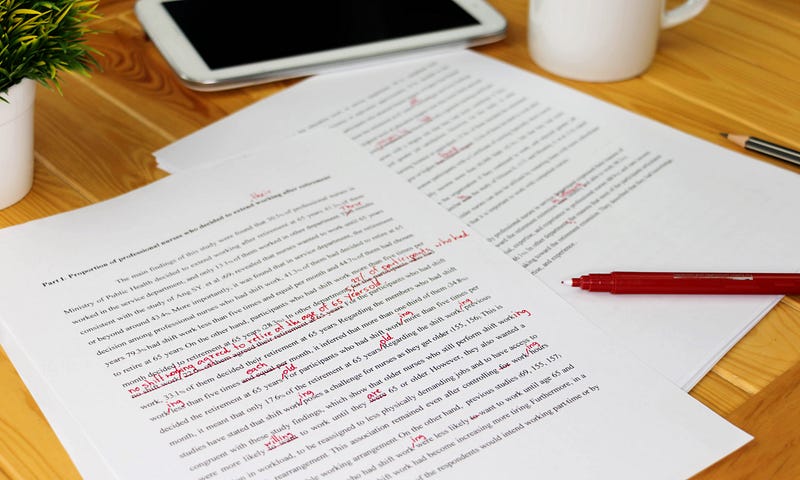
Proofread. Have someone else proofread for you. Read your writing out loud. Did I mention proofread?
Sadly with all that proofreading, you can still miss words that sound the same. If you know the words that you most commonly get wrong, use search and replace.
Put your story in a Word doc. Type “there” into the search box. Or “they’re.” or another “T” word. The word pops up in your text. You read the sentence and find you’ve used the wrong word. You fix it on the spot. You can type in each T word separately if you know you often use the wrong one.
Perhaps this seems like a nuisance. But it’s a small price for messing up a “T” word and having some holier-than-thou grammar freak correct you. And then feel compelled to teach you about the “T” words.
That’s how simple it is. Now you don’t have to worry about botching up the “T” words. No worries about the grammar gods coming after you.
This proofreading checklist will help you avoid the grammar police and other nit pickers. Using it will also improve your writing.
While you’re proofreading, read your story out loud to catch awkward sentences, lack of clarity, and missing punctuation.