
Dry January: A Tale of Cravings, Weight Loss, and Financial Gains…
Why you should consider trying it yourself, regardless of the month.
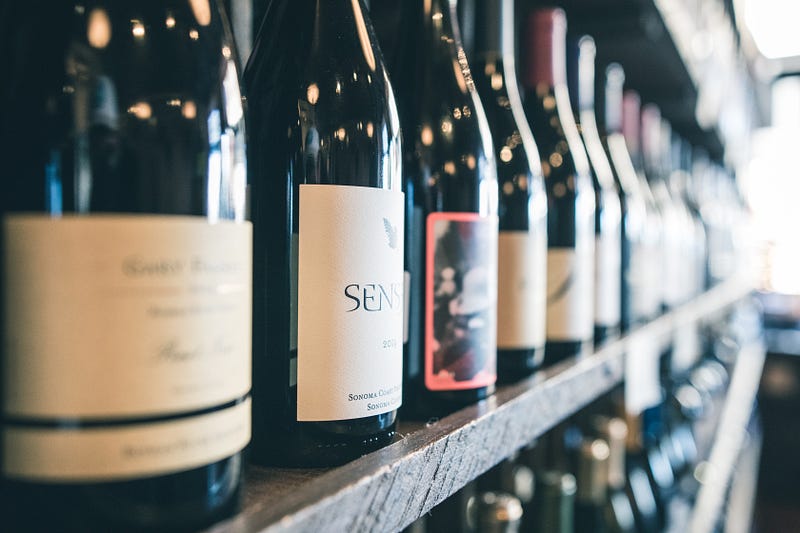
I’m not one for New Year’s resolutions. I find that if I require extrinsic motivation to start a new habit, such as the social pressure of everyone else doing something, I’m destined to fail.
However, this year when Dry January came around things were different. The winter months are always the most difficult for me, often succumbing to the grips of Seasonal Affective Disorder (SAD). To combat this problem I thought giving Dry January a go would be a wise move. Even if my motivation still plummeted and a low level of depression set in, at least I’d feel better without alcohol in my life.
That was the thought, anyway.
In practice I learned that not only would I feel better, I’d also lose weight, save money, and uncover some unexpected cravings. While Dry January hasn’t staved off the feelings of SAD, it has motivated me to expand an alcohol-free lifestyle from one month to most days of the year.
Week 1: Do I have a drinking problem?
Beginning on January 3rd (because you aren’t going to start Dry January with an open bottom of wine from New Year’s, duh), my wife and I began our alcohol-free endeavor. Within a few days one thing became immediately clear:
We must drink more frequently than we realized.
The first two days were no big deal, going a couple of evenings without a glass of wine wasn’t unusual. But days 4–7 were eye-opening. Each evening the temptation to turn to booze was strong.
Lasagna’s for dinner so we have to have wine!
I’m not in the mood to cook, so let’s do a cheap happy hour!
You can’t possibly watch football without a couple of beers!
My wife and I found ourselves fighting the urge to raid the liquor cabinet nearly every night. How did we get to this point? We’re not alcoholics.
TL;DR: Even in moderation, the consistent consumption of alcohol carries a startling level of addictive properties. Even a glass of wine a night can form a habit that’s difficult to break.
Week 2: Why am I craving sweets?
The need for alcohol began to wane, but the elimination of one vice created a craving for another: sweets.
During week 2 while the desire for alcohol was subsiding, I found myself replacing that desire with a new hunger for desserts.
Do we have the ingredients for cookies? Let’s whip up a batch!
Still craving cookies but don’t feel like fussing with the oven? Cookie dough it is!
Passing by the snack aisle at the store? Are cookies on sale?
If it’s not obvious by now, I have a cookie problem.
In part, I fought the urge to consume alcohol by replacing it with junk food. It was surprising how my body wanted to “fight back” against the elimination of alcohol, and naturally it turned to a similarly ugly vice.
TL;DR: When cutting out a habit like alcohol, your body will find a way to replace one vice for another. It’s something to be mindful of when eliminating alcohol so you can prepare for the next wave of cravings.
Week 3: I’ve lost how much weight?
Yes, my cookie consumption had increased, but I noticed a decrease somewhere else: the scale.
By the end of three weeks I had lost 8lbs. This was not something I was expecting or even attempting to achieve, but it makes sense. Here’s what I began to realize:
- Alcohol in and of itself can cause weight gain.
- Eliminating alcohol also meant the elimination of food I consumed with alcohol, a net benefit even with the increased sweet consumption.
- No alcohol resulted in us eating out significantly less, thus eating healthier homemade dishes.
In all seriousness, who wants to go to happy hour when you can’t get a drink with your meal? You feel awkward, almost rude doing so, which means you’re not consuming additional unnecessary calories.
I should also mention that generally speaking, I felt better. Aches and pains that had cropped up began to diminish as well.
TL;DR: Going alcohol-free can help you lose weight. Between a combination of biology, psychology, and healthier habits, you may find yourself with a thinner waist and down a few pounds.
Week 4: How much money did we save?
You know how I mentioned that I lost weight because my wife and I were eating out less? Well, we also gained extra money in our bank account.
When my wife and I worked out our budget for February, we were pleasantly surprised by how much money we saved by not consuming alcohol for a month. It was easy to identify how we saved a couple hundred bucks during the month of January.
- Eating out less meant spending less.
- Not drinking alcohol meant not buying alcohol for home consumption.
- The money saved allowed us to invest more in other areas of our budget.
Even though we drink in moderation, our habit was consistent enough to cost us a couple hundred dollars each month. The money permitted us to use it elsewhere in our budget which is always a welcomed situation.
TL;DR: It’s easy to overlook the impact alcohol makes on your finances. Booze finds a way of hiding in your total tab and within the receipt at the grocery store. Once removed, receipts become smaller and bank accounts grow fatter.
The Many Revelations of Dry January
The alcohol-free experiment was as eye-opening as it was necessary. When reflecting on January, abstaining from alcohol taught me three important lessons:
Bad habits breed dependency, even in moderation.
I was genuinely startled by my urge to drink and the need to replace alcohol with another vice. My body was craving the habitual “nightcap,” and when I didn’t oblige it looked elsewhere. Simply put, be leery of the bad habits in your life and what they’re doing to you, even the ones in moderation.
Moderate alcohol consumption is holding back your health.
Even when in moderation, you may be surprised by how much extra weight alcohol is causing you to retain. Some of the aches and pains you accrue with age may also be attributed to your alcohol consumption. Taking a month off could give you a much better idea of how alcohol affects your overall health.
Alcohol could be taking a chunk out of your wealth.
Your relationship with alcohol may have you eating out and drinking more than you realize, putting a dent in your wallet. Furthermore, restocking the liquor cabinet during grocery store runs could be doing a number on your finances as well. Cutting out alcohol can inflate your finances.
Abstaining from alcohol for a month was the rude awakening my mind and body needed. When alcohol is a moderate yet consistent part of life, it’s too hard to decipher how much of an impact it’s truly making. Only taking a break from the stuff allows you to understand the impact it makes on your mind, body, and budget.
Moving forward, alcohol consumption will only be a part of my genuinely social interactions. The glass of wine to cap off a day’s work, the old-fashioned to cap off the work week, and the drinks during the weekend just because I can are no longer going to be part of my lifestyle.
If you haven’t taken the plunge yourself, I implore you to commit to 30-days without booze. If you’re anything like me, I have a hunch that you’ll come to many of the same conclusions as I. Just be careful about a newfound craving for sweets, they’ll git ya.
Now where did I put those damn cookies?
This story was, in part, inspired by Paul Goodman. If you have an unhealthy relationship with alcohol, I strongly recommend his following piece:
If you respect my work and have an iota of interest in joining Medium, you can support me directly by signing up here. $5/month will earn you unlimited access to all of Medium, and I will earn a small commission for your support.
To read more from me, I invite you to check out the following:


