
Spirituality vs religion
Spirituality Doesn’t Require a Church
It can be practiced in the comfort of your own home or out in nature
Spirituality and Religion Aren’t Synonymous
I recently had a deep conversation with a friend and after the conversation, he invited me to church. I grew up going to church every Sunday and I still believe the church is great, but I don’t go anymore and haven’t been in a very long time. I told him that.
“What do you mean you don't go to church?”, he asked. “How then did you learn all the things you know?”
“What has church got to do with knowledge?” I said with a chuckle.
Not too long ago, I wrote an article titled Science from a Spiritual Perspective, and in the comments, someone wrote all the things wrong with religion. I never once mentioned religion in the article. My reader assumed spirituality and religion are one and the same.
Many people confuse spirituality with religion and therefore bring pre-existing beliefs about religion into discussions about spirituality, but there are some clear distinctions between the two.
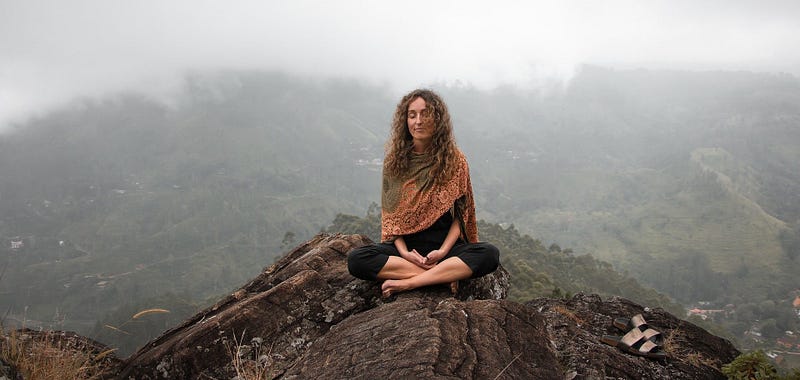
Spirituality Is a Solo Act
- Spirituality is inward-focused. It is experienced from the inside out and involves a shift in awareness rather than external activities. It is based on the direct experience of something beyond the five senses. It is more about inner understanding than outer worship.
- Spirituality has no set of strict rules. A spiritual person sets their own rules, breaking free from the restrictions and rigid structure sometimes associated with religion. The spiritual person knows he or she is on a path of self-discovery, and the only thing they strictly follow is their own inner guidance.
- Spirituality doesn’t require faith, but it doesn't dismiss it. It is based on direct experience, which transcends faith. You don’t need faith if you have a direct experience of the things others may struggle to believe.
- Spirituality is a solo act that doesn’t require an organization. Because of the direct experience a spiritual person has with God, the universe, source, angels, spirit guides, or whatever you call it, spirituality doesn’t require a church. In this way, spirituality can sometimes feel like a rebellious act of going out on your own in search of your own truth.
- Spirituality discards the fear and worries in favor of a more loving, compassionate approach to life, death, and afterlife. Growing up in a church, I was taught that if you sin; you die and burn in hell for all of eternity. In spirituality, your choices and behavior are not guided by fear of punishment or suffering, but by a desire to end suffering within yourself and create a peaceful and loving world for all. Instead of the death and hell threats, spirituality believes in karma — you reap what you sow.
Spirituality is the suspicion that there is more to life than we’ve been told.
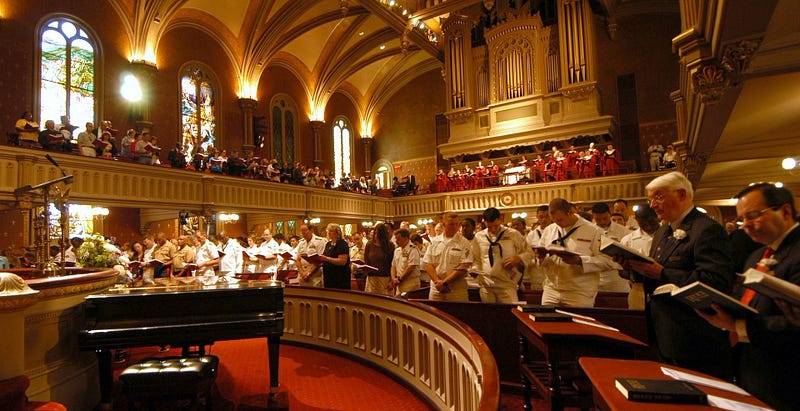
Religion Is a Group Act
- Religion has an outward focus and comes from the outside in. It is often based on the lives, teachings, and beliefs of founders like Christ, Buddha, Moses, Krishna, Muhammad, etc. The details of their holy lives are taught through teachings and scriptures and taken as their own.
- Religion is based on strict rules and scriptures written and put into place by other people which govern the life and behaviors of its members. This isn’t a bad thing because the rules of religion give society a sense of certainty and comfort for those who lacked faith. It also ensures the essence of the founder’s teachings is accurately passed on through history.
- Religion is all about faith. It doesn’t require evidence to validate the teachings. You are taught to have faith in God, Allah, Buddha, etc, and to see the scriptures as the ultimate truth of reality. Acceptance of these teaching is taught as the path to salvation.
- Religion relies on the organization. For where two or three gather in my name, there am I with them — Matthew 18:20. According to scriptures, God is present when there are two or more people, but a spiritual person believes that even when they are all alone and forsaken by the organization, God lives in their hearts and is always there with them.
- Religion — despite the best of intentions — sometimes contains a subtle undercurrent of fear woven into the teachings. For the wages of sin is death, but the gift of God is eternal life — Romans 6:23. The concepts of sin, judgment, God’s wrath, and an eternal afterlife in burning flames can create fear, worry, and anxiety over whether your actions will result in being cast in hell by our heavenly father who loves us no matter what.
Though all religions emphasize spirituality as being an important part of faith, it’s possible to be spiritual without being part of a church.
Final Thoughts
As you can see, there are noticeable distinctions between spirituality and religion however, these distinctions aren’t meant to polarize one against the other.
Spirituality and religion are both very important for the evolution of humanity. Each practice serves as a vehicle to lead you closer to the truth you seek and ultimately to yourself.
Whichever path or combination of the two you follow is a personal expression of your own unique journey of awakening.


