
Some Teachers Have A Nightmare While They Are Awake
This is what goes on at some schools when parents don’t care

No matter what type of school a student is enrolled in, it is typically a happy place where rigorous learning prevails. Whether a student attends a traditional in-person facility or an online program, positivity is reflected in all of the images posted within every classroom and within the background of their computer screen.
Teachers maintain an upbeat persona as they use creative strategies to maintain high levels of student engagement. They possess a proverbial toolkit that enables them to adapt various instructional techniques according to the circumstances that arise with their learners.
However, despite their level of animation to contribute to an interesting learning environment, or how professional they are at all times, or how well they incorporate the very best practices while delivering instruction, there is one thing that obliterates their efforts.
Dealing With Terrible Student Behaviors
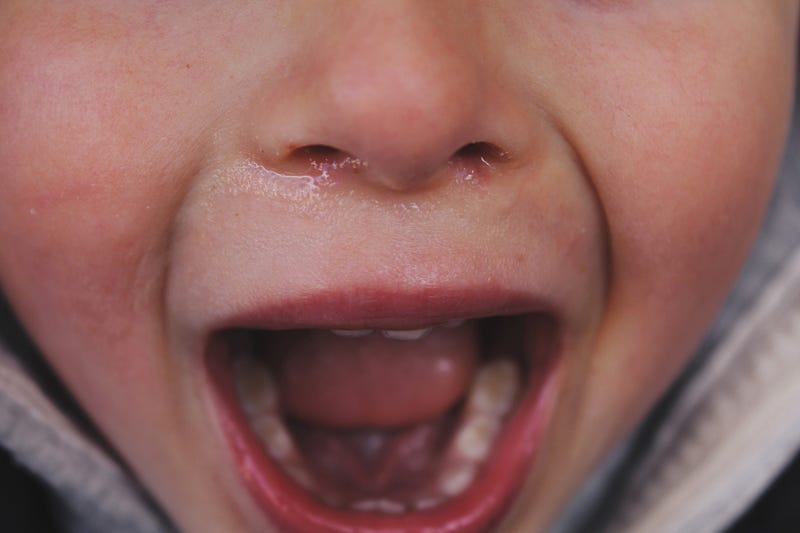
Sometimes students manifest behaviors at school that are the result of a medical, mental, or behavior health diagnosis. In these cases, teachers are trained to provide differentiate interventions for them to support them at school. An Individualized Education Program (IEP) is among the adaptations and modifications provided for children and young people who need these services.
This article is not about these learners.
There are some students of all ages who willfully and persistently engage in continuous acts of misconduct at school because they make a conscious decision to do so. Teachers are unable to teach because of their outbursts and students are unable to learn because of the disruptions that they regularly create. Some of these unacceptable behaviors that these students engage in include:
- yelling at teachers and classmates and taunting them;
- roaming around the classroom and walking out of the environment at will;
- absolutely refusing to follow classroom rules, follow teacher directives, or participate in as well as complete learning activities;
- bullying, intimidating, and threatening peers and teachers; and
- destroying the classroom and school environment by throwing supplies, overturning desks, chairs, and trash cans, and ripping bulletin boards to shreds.
I have written various articles about this topic. Here are links to a few of these stories:
Even though teams of school leaders, teachers, and non-teaching educators diligently work with the students to help them make better behavioral choices, the school is left powerless to correct the conduct of the students. They also receive continuous training in areas like crisis intervention and trauma informed care in an effort to better manage the students who wreak-havoc throughout the school. Principals and deans are limited with the amount and types of student disciplinary consequences that they impose against these students.
The problems with such students become more involved when parents fail to offer their support.
Why Things Become More Complicated

The reason why some students behave so poorly at school is due to one unfortunate thing. Parents.
Sadly, some parents refuse to believe that their precious child is capable of destroying the classroom and school environment as educators report that they do. These parents exist in a perpetual state of denial. Such parents always engage in verbal wars with school personnel because of this.
I published the following articles relevant to the issue of oppositional and disrespectful parents.
There are some parents who are at fault for their child’s behaviors because they are simply very poor parents. They missed critical opportunities during their child’s early development to help them learn that behavioral boundaries exist. Unfortunately, these children live in a behavioral free-for-all and lack self-discipline. This has enabled him or her to simply behave as they please because consequences and redirections are void.
The parents of these children are extremely hard for educators to work with. Because of this, it becomes impossible to resolved student behavioral problems.
The Aftermath
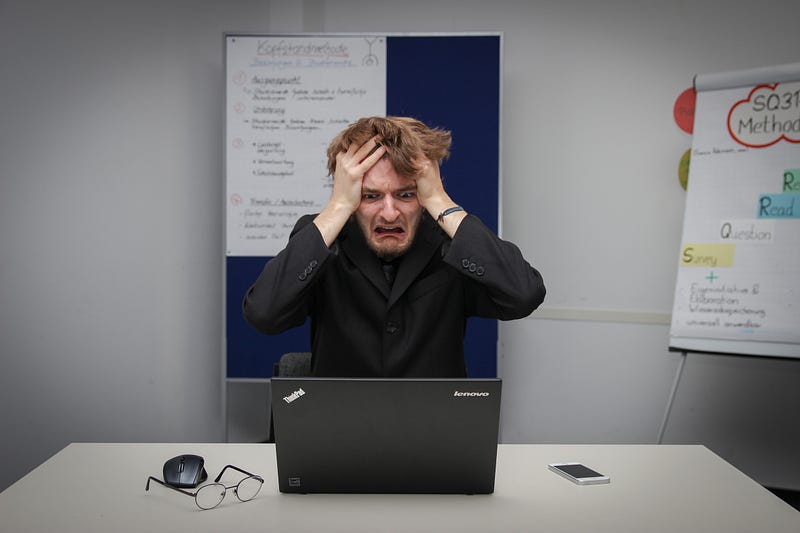
Teachers and other educators are forced to deal with unruly students day after day and class period after class period. Aside from the adverse impact this has on other students, their learning, and their ability to educate all of them in a seamless, uninterrupted manner, it takes terrible toll on educators.
This is how teachers and other educators are impacted.
- High levels of anxiety and stress overtake them. In the most severe cases, this causes various medical and mental health conditions to develop. Educators are forced to use medication and receive therapy to help them cope.
- Dread fills their heart and soul when they walk into their school to confront the student problems.
- Personal financial obligations keep them working in a job that they no longer enjoy.
- Fear grips them at school.
- They are exposed to trauma as they endeavor to perform the jobs that they love, are passionate about, and were called to perform.
- Teachers leave the teaching profession at record numbers.
- School personnel carry the stress from school to their homes. Sadly, family struggles ensue.
- Humiliation overshadows them because they are left to feel as though they lack the capacity to handle student difficulties and are a professional failure.
These dreadful outcomes cause them to feel as though they are living in a nightmare within their classrooms and within their schools.
How To Fix This Problem

It is possible to solve this problem with unresponsive parents and their students who continuously misbehave at school. Increasing family engagement within schools is the key.
I define family engagement as the mutual dedication, cooperation, and support that educators, parents, and other caregivers share as students are being educated. As a family engagement influencer, my mission is to ignite family engagement.
I advance the belief that school leaders, teachers, and other educators must take the lead in building authentic relationships with parents. Modeling acceptance and respect during parental interactions will set the stage for parent involvement and participation to grow. This will enable parents to work with educators as a team to support their child.
I created this video on my “Ignite Family Engagement” YouTube Channel to provided more detailed information about family engagement. I invite you to watch it.
Family engagement will increase when schools and when educators also take the lead in developing parent training programs. Whether a curriculum is developed for a long term program like parent university or whether strategies are provided during a parent workshop, such events should be devoted to helping parents become stronger and more capable parents who will guide their children more appropriately.
The Conclusion

Parents who have poor parenting skills perpetuate problems associated with their child’s behavior at school. Despite the devastating impact of students who engage in terrible acts of misconduct, all of the problems related to this can be solved.
Teachers and school administrators must take the lead in building authentic relationships with parent by establishing them as partners. This will open the door for the creation of parent training programs at school. Such programs help parents build their capacity to grow as more competent parents.
So, improved parenting skills will resulted in improved student behaviors.
Here’s my golden ticket that helps me accomplish my mission.
Dr. Deborah M. Vereen is a retired Teacher and School Administrator. Her website is www.Drdeborahmvereen.com and her YouTube Channel is https://www.youtube.com/channel/UCS1DPhBeA29UlybU9jzDkdQ .


