
Complaints About Dangerous Student Behavior At Schools Are Rising
But who links family engagement to solving this problem?
Minor student acts of misconduct used to be a big concern in many schools. Issues like students not reporting to class prepared to learn, dress code violations, sleeping in class, and tardiness were some of the concerns that once caused disruptions in many schools. Teachers and school administrators enforced behavioral expectations by reinforcing the Code of Student Conduct. In many instances, a telephone call to a parent was enough to correct the problems initiated by students.
Over the years, the social and behavioral concerns with students of all ages began to increase in quantity and intensity in many learning environments. For some students, any conflict with peers, great or small, were resolved through fighting. Learners were victimized by bullies. The angry outbursts of students resulted in isolated disruptions in classrooms and other places in the school building. Total student defiance became the norm in a lot of classrooms. In response to the intensified troubling behavior of students, district wide policies were developed and adhered to in a seamless manner. Educator training intensified and included a wide range of topics like Crisis Prevention and Intervention, Trauma Informed Care, and Positive Behavior Support.

Despite all of the intensive professional development experiences educators continue to remain engaged in, regardless of the unique programs promoted by leading researchers and experts, and even though mandated local, state wide, and federal policies related to student behavior have been put in place, here is the harsh reality. Conditions in many schools have significantly deteriorated because of the conduct of students at all grade levels.
For teachers impacted by this problem, the joy of teaching has evolved into the fear of reporting to work each day. Being physically, verbally, and emotionally assaulted by students is what these teachers endure day after day. This includes being spat upon, stomped on, kicked, punched, scratched, and pushed. This also includes having large objects like chairs, books, staplers, and desks thrown at them or observing these things thrown at other students. The fear that continues to shake many teachers to their core includes witnessing explosive acts of violence during student fights when hair ripped from the scalp, when blood gushes from bodies, and when heads are stomped on with great force. For many more, fear erupts each time an enraged student claws a bulletin board to shreds, swipes all desks clean including the teachers, overturns trash cans, and knocks over cabinets as well as bookcases. This fear manifests when students yell profane, lewd, and threatening words to the teacher and others in the classroom.
For many teachers, the excitement of fulfilling their professional goal to teach has been overshadowed by their hope to just endure one more day in their classroom. Such educators experience trauma day after day. Despite their deep sense of commitment to their students, parents, school, and school district, many educators suffer in silence because of the anguish they endure because of student behavior. For many, they are left to cope with the reality that abandonment brings because there is little or no assistance for them to resolve the behavioral issues that continuously confront them.

I Understand Because Of My Past
Teachers are not the only educators who are forced to deal with the on-going problems and the relentless impact of severe student behaviors.
When I became a principal in a highly diverse, challenging school district a little more than 20 years ago, it was a common practice to simply blame the building leadership for all of the problems that students created. Back then, the district wide expectation was for the principal to rule with an iron fist by imposing the most extreme levels of discipline against student offenders and remove them from the school environment through suspensions and expulsions. (That is why governmental entities and organizations that advocate for social justice among children and youth have been recently fighting to eliminate school suspensions, especially among black and brown students in many school systems throughout the country.)
Back then, I remember all of the mandatory formal conferences that I had with superintendents who demanded that I improve student behaviors, as if I possessed a magical ability to do so! When I tried to discuss the root cause of the acts misconduct like parental disengagement, exposure to community violence, and mental health diagnosis, my supervisors told me there were no connections to student behavior and these triggers. One superintendent told me that I was simply too compassionate and that they were sorry that they hired me as principal while another listed all of the problems that were wrong with students and ordered me to “fix it”.
Back then, there were no substantial resources available to help me work through the problems I encountered as terrible student behaviors adversely impacted the learning atmosphere at the school that I served.
As I continued as principal with that the same school district at a different school, my staff and I functioned as an extremely cohesive team as we worked through all of the student behavioral troubles that we endured day after day. We petitioned the board of school directors and district administration for additional resources to help with student behaviors to no avail.
Working at a school with nearly 600 students with no support for students except a guidance counselor forced me to continue working 12 to 14 hour days, most Saturdays, and some Sundays. I felt the same type of abandonment and isolation that all of the teachers today feel when they are left in their classrooms without the continuous resources that are required in their environment where one or more highly disruptive students utterly destroys their atmosphere. When I was physically attacked by elementary school aged students and when I dealt with incidents when my teachers sustained serious injuries at the hand of these young students, I felt the same type of powerlessness that teachers feel today when they are assaulted by their students.
I was forced to travel through my professional journey alone.
The school district and leadership began to acknowledged that the intensity of the student behavior problems during my last year at that particular school. Despite all of the training that my staff and I participated in and regardless of the implementation of the very best practices, conditions at that school significantly deteriorated due to student behaviors. It was at that time that I sincerely believed that my building was among one of the most at risk elementary schools in the country due to the persistent struggles with such a high percentage of children. Even though I spent most of my school day functioning as a social worker by connecting families to mental health services, the district finally hired a social worker for this school around the middle of the school year. By this time, the building was in such a state of distress that my goal and the goal of many faculty members was to simply perform our duties one day at a time.
The school district added more student services and school personnel in all schools the following year because of the conditions in that school. Once I moved on to a different building at the end of that dreadful year and continued my tenure as principal in that district, my professional peace and joy were restored.
So, I do understand how and why some teachers are suffering due to student violence as they perform the jobs that they love.
The Response To Discipline Problems
What School Districts Are Doing
Because student offenses have impacted other learners by compromising their safety, preventing them from receiving a quality education, and introducing them to trauma, school districts have been force to own their problems by acknowledging their existence.
In addition to enforcing all of the policies to keep students and school employees safe, district leaders have collaborated with researchers, experts, and mental and behavior health resource providers for solutions. As a result, schools have become immersed in a movement that correlate the disruptive conduct to the behavior and mental health struggles and diagnosis that many students endure. An article called “Children’ Mental Health: Data and Statistics” shown on the Center For Disease Control and Prevention website elaborates on facts pertaining to this area. The publication affirms to need for schools to target this critical area. Here is the link to this article:
Schools that have a high percentage students with mental and behavior health challenges that remain untreated are high risk because the manifestation of their conditions erupt at school. This contributes to what is classified by many as severe behavior problems.
The lack of treatment has the capacity to result from parents not accessing services for their children because they may not know how to navigate the mental and behavior health system. Some parents may be indifferent to their child’s needs while others may deny that problems exist for reasons like embarrassment and the lack of knowledge. There are also parents who encounter roadblocks and significant delays as they seek help for their suffering children.
Over the past several years, many schools throughout the United States have established intensive collaborations with various health and human services agencies to implement school based services. This protocol enables students as well as their parents to receive site-based treatment. Additionally, the input and assistance of a school team may support the treatment plan developed for students. Behavior and mental health programs developed within a school also enables various social and support groups to be developed for students.
The significant challenge for educators is that the need for student treatment outweighs the accessibility of these programs. Therefore, here is what educators are using their voices to advocate for. Schools need to connect more students to behavior and mental health treatment more intensively and more site-based services need to be provided in schools.
What Educators Are Doing
Past practice resulted in many school leaders and teachers remaining quiet about any struggle that they encountered with students because it was the politically correct thing to do. The silence of school employees was prompted by the fear of discovery and job loss as well as the desire for their school system to maintain an unblemished reputation. Some simply referred to this as sweeping issues under the rug so that they remain invisible.
Boldness has driven many educators to openly discuss what they are forced to tolerate as it relates to the concerning behaviors of students. Teachers in various regions throughout the nation are beginning to talk openly about what they endure in their classrooms and schools because of student behaviors.
Reports about these occurrences are beginning to flood social media as other professionals seek help. For many, assistance comes when colleagues provide authentic suggestions. An example of this was found in the article “Too Many Teachers Are Getting Hit, Kicked, and Punched by Students: What To Do When Students Get Physical”. This was published in the online We Are Teachers Helpline group on Facebook on December 2, 2019. The outlined strategies from this post for teachers to follow include:
- Protect yourself and your students in the moment.
- Document, document, document.
- Inform your administration, school counselor, or social worker.
- Inform your union.
- Know when it’s time to leave.
- Take care of your mental health.
Teachers and other employees impacted by the behavior of students in school have begun to submit formal grievances to their labor unions. As a result, collective bargaining units are using their power to confront school district to demand change. Some of the demands include the expectation for the safety of school personnel to be preserved and that increased mental health services and supports be available within their school.
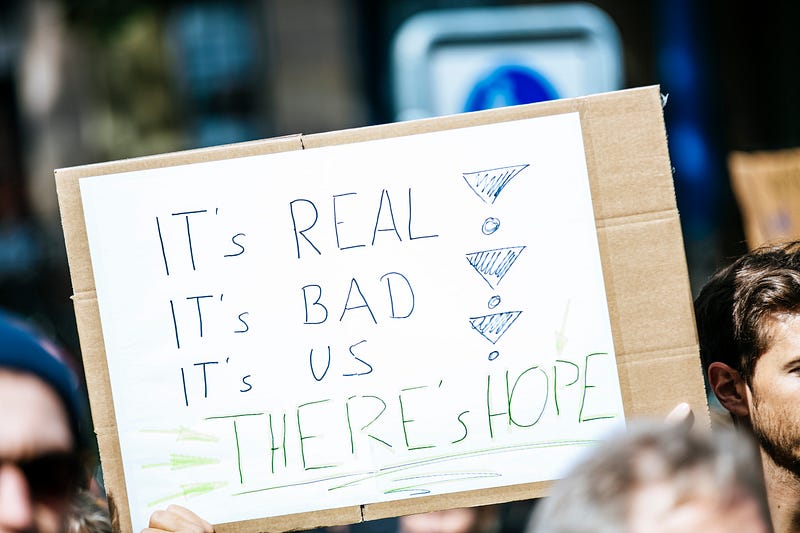
My Response Is What I Believe
I am a family engagement influencer. My professional mission is to ignite family engagement in education.
I maintain the belief that high levels of family engagement has the capacity to produce positive outcomes for student, teachers, parents, and our global society. Most importantly, I believe that the severe problems with student behavior that impacts the learning and instructional experience of so many students and educators within various school districts can be either be significantly reduced or eliminated by increasing family engagement in these troubled schools.

Writing is one of the ways that I advocate for and promote my mission. In fact, my collection of articles that I have published on Medium.com and the online magazine “Teachers On Fire” reflects my passion filled effort along with my opinion about parental responsibility. On October 17, 2019, I published an article that gets to the heart of the matter as it relates to parents being involved in resolving student disciplinary problems at school. The piece is called “There’s So Much Bad News About Student Behavioral Problems In Many Schools: But There Is Silence About The Role Parents Must Assume In Correcting This Serious Issue”.
The following excerpt is one of the most compelling part of this article because it is relevant to my beliefs:
“Schools absolutely must stop searching for solutions to eliminate student disciplinary problems within the exclusive confines of convoluted district parameters. Instead they must understand that engaging parents honestly and sincerely is the key to solving these issues with their learners.”
In summary, educational entities must stop bearing the exclusive burden for improving student behaviors at school. While the percentage of students at every grade level are impacted by various mental and behavior health conditions, not all students who behave poorly at school are.
Simply stated, many of the learners who habitually disrupt the school and classroom environment by physically and verbally assaulting classmates and teachers among other deviant acts willfully engage in these behaviors.
Poor parenting is the cause of this. In order for this crisis that involves many students, teachers, labor unions, board of school directors, and other stakeholders in the educational process to stop, they must use the same boldness that they are beginning to demonstrate to report incidents with students to speak the truth about some parents. There are some parents who do not teach their children behavioral boundaries. There are some parents who need to be taught how to be parents. There are some parents who expect teachers and other school officials to raise their children.
The failure to accept the reality that not all students who behave poorly have mental and behavior health issues as well as the failure to accept the reality about the relationship between poor parenting and disruptive behaviors will prevent improvements in this area from being made.
Once educators own this reality, recovery strategies must be implemented throughout schools and districts adversely impacted by troubling student behaviors.
The Steps to Recovery Through Family Engagement

- School leaders must initiate opportunities to build positive relationships with parents by engaging them in honest discussions about student behavioral concerns. This may be done during special meetings held within places of worship, community centers, and within the homes of parent leaders. Home visits may also be facilitated as well as classroom and school wide meetings. The facilitators of the parent gatherings must accurately describe the problems, ask for support in solving them with the greatest sense of urgency, and respond to the questions and concerns that families may have.
- School districts must display an authentic commitment to extend relationship building efforts with parents by developing continuous on-site parent education and training programs as well as developing accessible ones located within the community. Workshops, parent university programs, and other unique learning activities designed to empower parents to grow to increase their knowledge so that they function as a strong mother and father must be provided. Parent resource rooms and libraries located in schools and school district offices should give parents a chance to read parenting books and articles, watch relevant videos, and sign out helpful materials.
- The success of parents who participate in these programs should be celebrated. Whether presenting a certificate, extending an invitation to a special breakfast or luncheon, or by offering various incentives, recognizing the accomplishments of parents who have the desire to help their children develop appropriate school and life-long behaviors will motivate parents to grow and to improve.
Conclusion
Negative student behaviors have the capacity to change. Educators at all levels must acknowledge this reality without focusing their attention on blaming others for the cause of student disturbances. In doing so, they must do their part in providing and participating in continuous professional development training sessions to solve this problem.
Educational entities should never assume the total responsibility for resolving student disciplinary issues. Instead, they need to welcome parents as critical partners in eliminating such concerns. Increased levels of family engagement is the key.
Here’s my golden ticket that helps me accomplish my mission.
Dr. Deborah M. Vereen is a retired teacher and school administrator. Her website is www.Drdeborahmvereen.com and her YouTube Channel is https://www.youtube.com/channel/UCS1DPhBeA29UlybU9jzDkdQ.


