
Solving for the Last Mile of Urban Transit
The (rapidly) changing landscape of the urban commute in Washington, D.C.
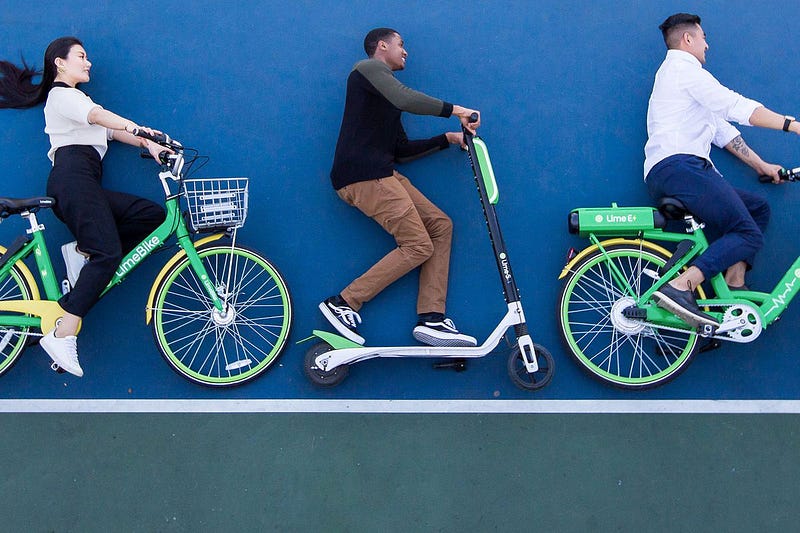
Over the past 5 years, the urban commuting landscape across the United States (and worldwide) has changed dramatically. The “traditional” commute has been under constant assault.
When most people think about cities on the cutting edge of urban transportation technology, Washington, D.C. usually isn’t in their top 5.
However, surprisingly, D.C. is often a first or early market for many urban transportation startups. Here’s a quick history of the more recent waves of urban transportation disruption.
Urban Transportation Disruption in Washington, D.C.
Wave 1 (2011–2012): Uber + Lyft + Docked Bicycles + car2go/Zipcar

Why better than the status quo?
- Cheaper
- More convenient (remember calling a taxi company?)
- Better end-to-end experience
Who got disrupted?
- Taxi companies
- Car rental companies
Wave 2 (2015): UberPool, Lyft Line, Via, and Split

Why better than the status quo?
- (Even) Cheaper
Who got disrupted?
- Taxi companies (again)
- Ride-sharing companies without a budget carpooling option
Wave 3 (2017): Dockless Bicycles

Why better than the status quo?
- Docked bicycles require a membership (in D.C.)
- Dockless have a simpler pricing structure ($/min.)
- Docked bicycles require you to locate and return a bike to a dock. These are often full for popular events (ex. a baseball game)
Who got disrupted?
- Docked bike sharing (Capital Bikeshare)
- Bike ownership
Wave 4(2017–2018): Scooters and Pedal-Assist Bikes (JUMP)
Why better than the status quo?
- Have you ever been in DC in the summer? You don’t have to pedal hard to go up hills and you can go twice as fast for the same energy.
- More fun!
Who got disrupted?
- Docked bikesharing (again!)
- Dockless bikesharing (already?!)
- Uber/Lyft (woah!)
Thanks for reading! If you’re enjoying this post, I know you will enjoy the great content at The Modern Product Manager.

If you prefer books, I think you’d also enjoy Disrupting Yourself (How to Succeed in the New Economy) or Building Digital Products (Handbook for Product Managers).
A Tale of Two Commutes
As I’ve written about in previous blog posts, for most of my 5 years in D.C., I’ve taken the metro every day to work. Recently, I moved to a new neighborhood.
Here’s how my commute looks these days on the metro.
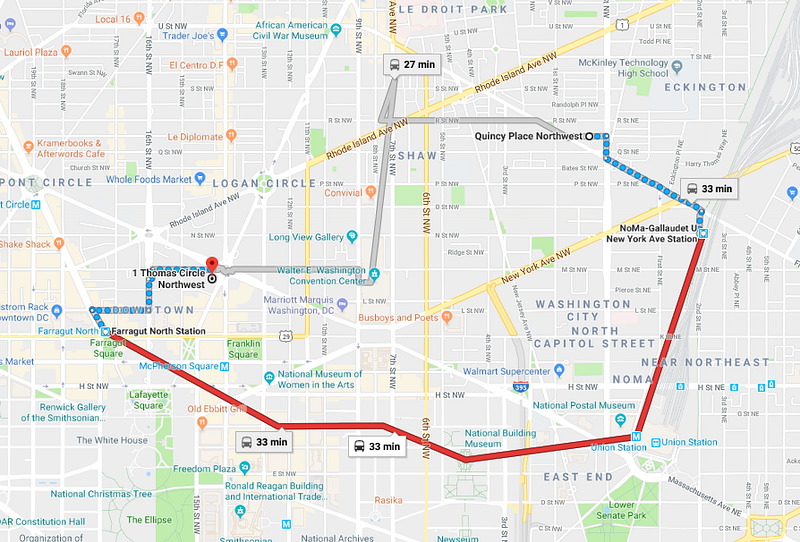
That’s a ~10 minute walk, a 15 minute metro ride (not counting the time waiting for the metro), and another ~10 minute walk for a total most days nearing 35–40 minutes.
Not too bad, but for an as-the-crow-flies commute of ~1.5 miles, that’s pretty slow!
Here’s how that same commute looks on a Bird scooter:
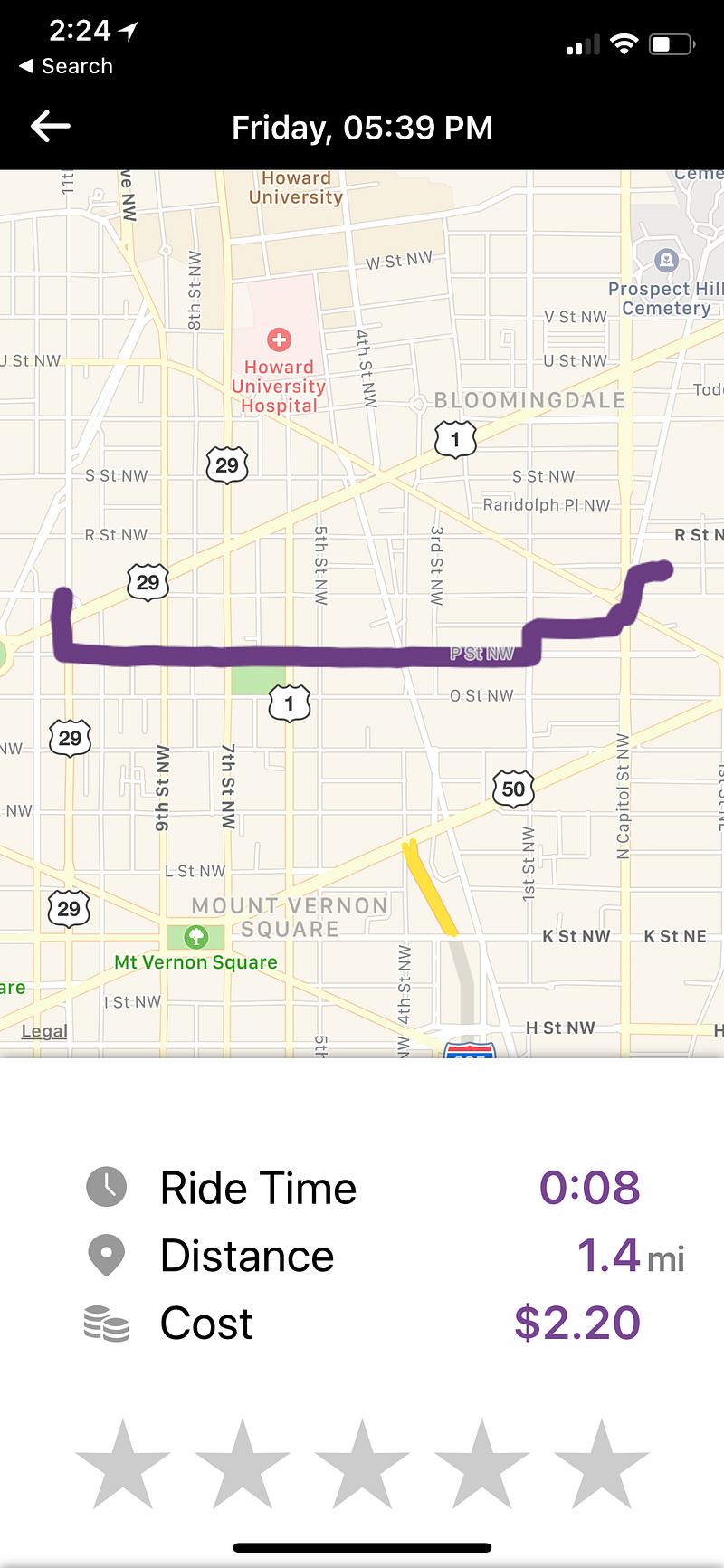
8 minutes!!! Hard to believe right?
$2.20 is even cheaper than the metro; plus it’s a lot more fun.
Still room for improvement…
Even though pedal assist bikes and scooters have gained major traction in Washington, D.C. and San Francisco, there are still a few areas for improvement in urban transit.
Weather: Still a major wild card. Who wants to ride a scooter in the rain or the cold? While that’s a more minor factor in some markets, it’s a blocker or disqualifier in others. As I write this blog post, it’s raining in Washington, D.C. and the scooters have been taken off the road.
Reservations: With both Lime Scooters and Bird, you can’t reserve a scooter and I’ve already had several cases where the scooter I was walking to got snagged before I got there. These things are popular, especially at 6pm on a Friday!
Road Infrastructure: As you’re riding along at 15–20 mph on your scooter or pedal-assist bike, you quickly realize how deficient your city is from a shared transportation perspective.
In D.C., only a few roads have dedicated bike lanes, so I often find myself zig-zagging between the road, the sidewalk, and alleys which definitely provides an adrenaline boost!
D.C. Transportation Candids
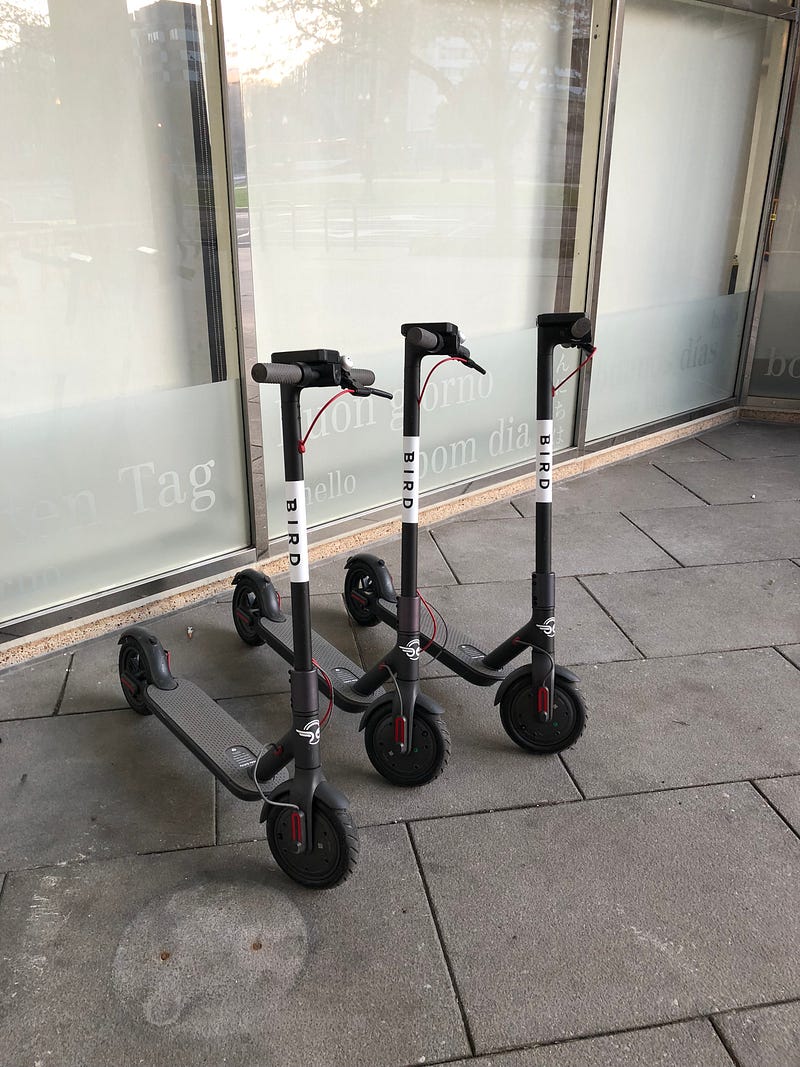
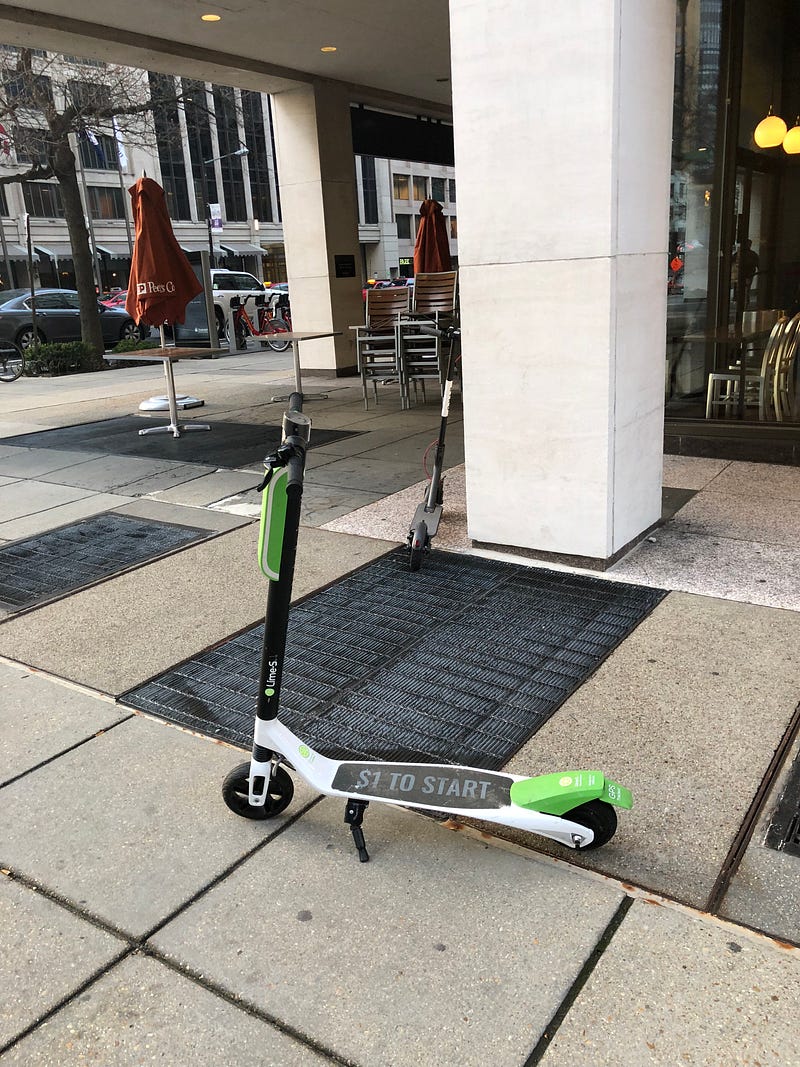
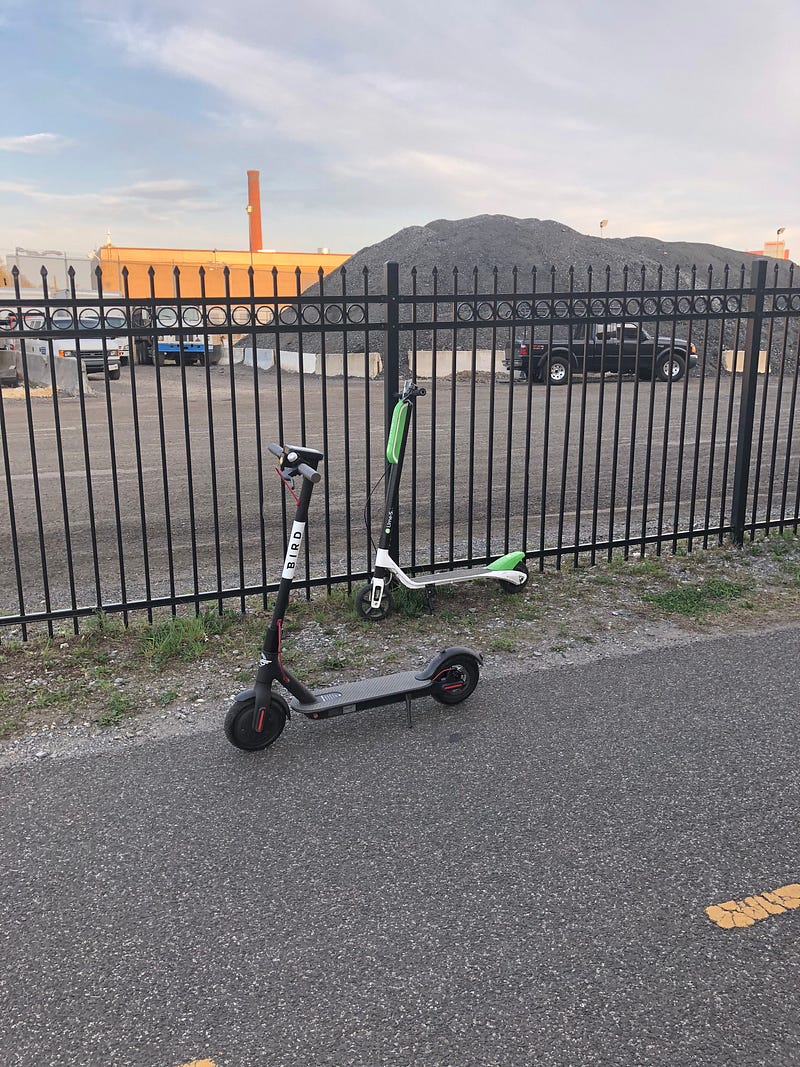
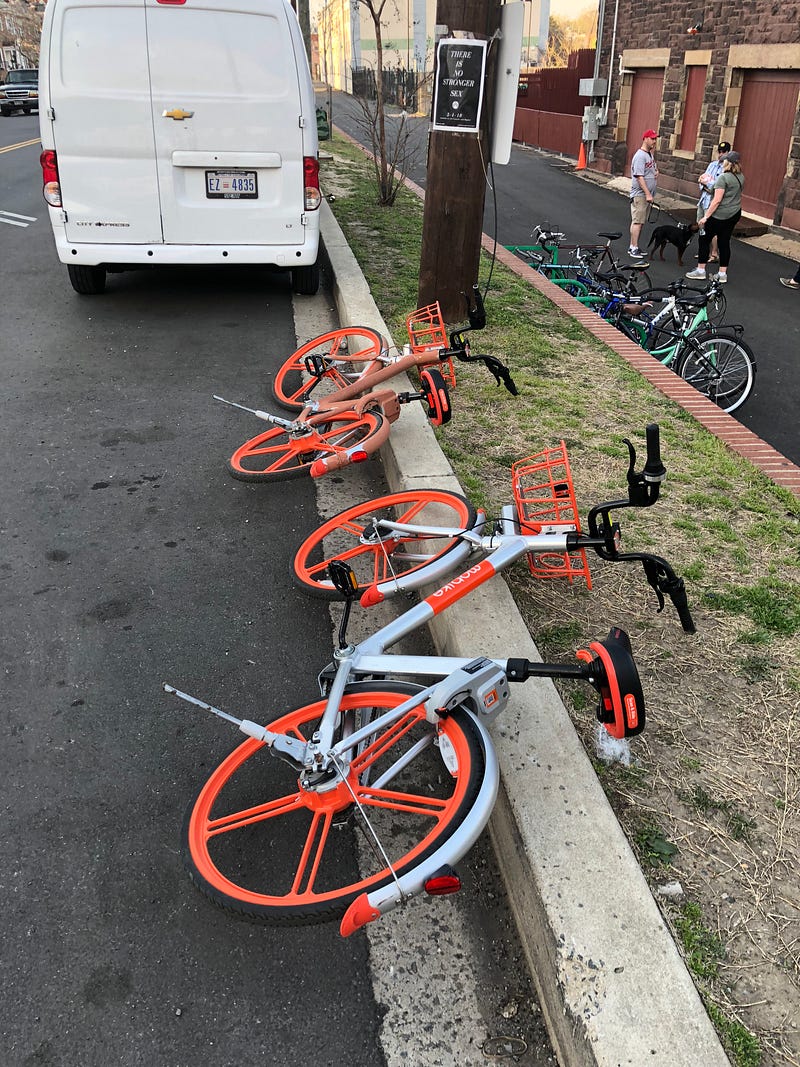
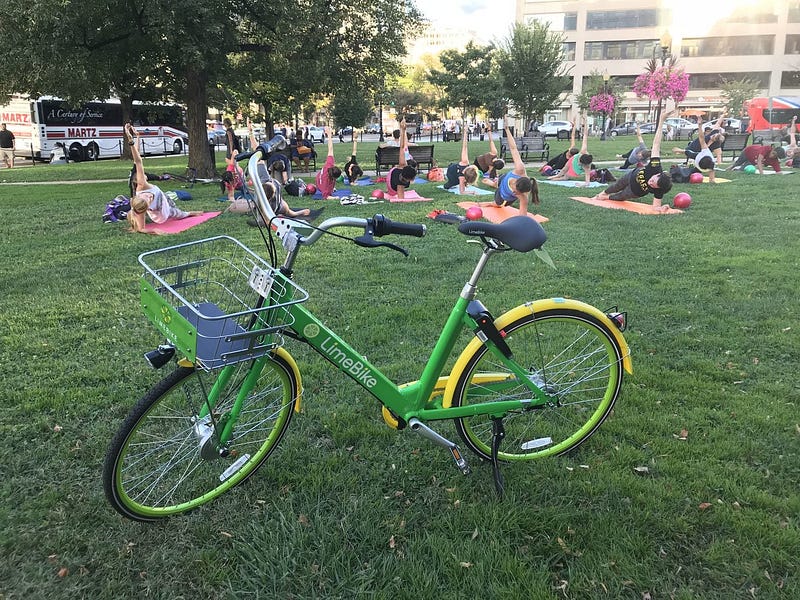
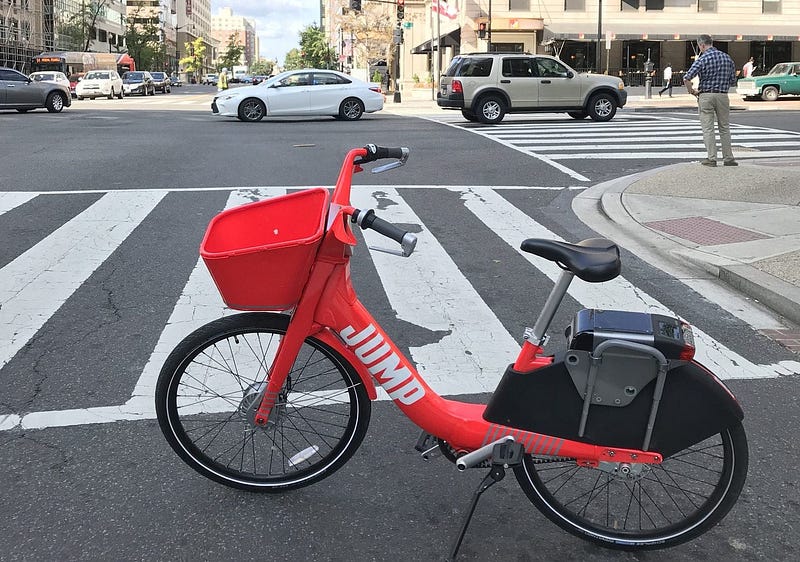
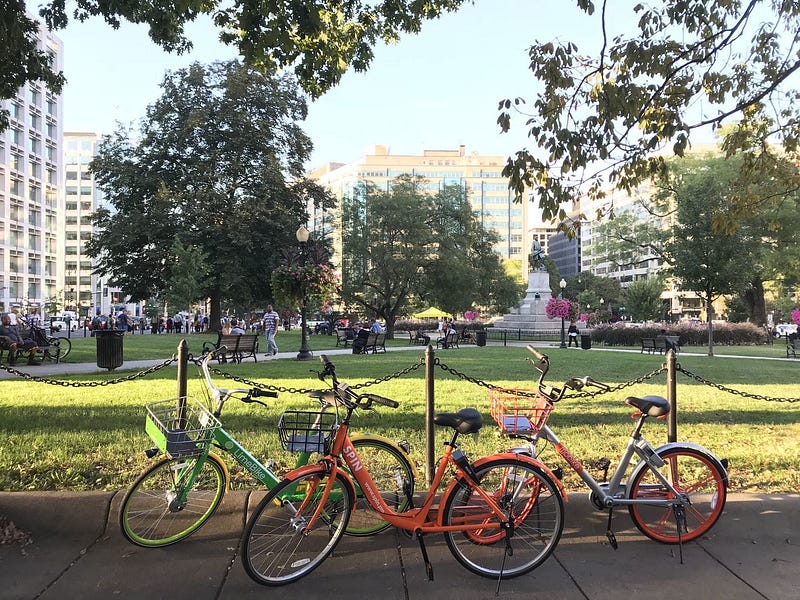
Here are a few pictures from around D.C. showing how bikes and scooters have changed the landscape of the city.
More from Alex Mitchell on Medium
Check out Alex’s Book: Building Digital Products
Amazon: Building Digital Products
Digital Download: Building Digital Products


