Solo Polyamory: What Is It?
The core of a solo polyamorist is choosing to be your own primary partner

Are you open to dating and engaging in multiple meaningful, intimate relationships while choosing to live an independent lifestyle?
If so, you might be practicing solo-polyamory.
Solo Polyamory is the practice of being self-partnered while choosing multiple, committed, loving relationships within an independent lifestyle. (Basically, you don’t have someone with whom you have to check your schedule with or navigate your life and choices around everyday.)
I was born and raised within a strict religious community. I was programmed to accept a monogamous, married life. After 15 years, I discovered I was not well suited to monogamy.
Although I was a loyal and committed partner, a monogamous lifestyle made me feel caged in, stifled, and severely depressed by shutting down basic aspects of my personality as I conformed to rules put in place by society’s expectations.
I avoided activities I loved, as my partner wouldn’t share in them. I rejected friendships and relationships with others that were emotionally meaningful and important to me (to stay faithful to my partner). I was expected to deny a whole part of who I am to fit a paradigm I was socialized to accept. Being a part of a couple required some important aspects of my individual self to shut down.
Over the years, as I have experienced various polyamorous relationship dynamics, I discovered having a primary, nesting partner was not well suited to the way I freely love others.
Eventually, I left the religion of my youth and discovered I was polyamorous. I forged out on my own into the polyamorous community and began to experience the joy of freely loving multiple partners.
Over the years, as I have experienced various polyamorous relationship dynamics, I discovered having a primary, nesting partner was not well suited to the way I freely love others. I am fiercely independent and tend to resist entanglement conjoining another’s life completely with mine, in the way we have been taught is legitimate. Date, get engaged, marriage, move in together, have children. Live together until one of you dies.
Remember the rhyme we used to hear and recite in elementary school?
K-I-S-S-I-N-G First comes love, then comes marriage, then comes the baby in the baby carriage. This is how our society taught us to live and love… we must find a person and follow a set trajectory of cultural rules. We must live our life in pairs.
I see this often within the polyamorous community. Many polyamorous people are open to multiple relationships and continue to accept the relationship escalator with one main, primary partner, thus continuing the societal programming of a hierarchal system.
Here are a few questions to ask yourself if you are wondering if solo polyamory is for you:
- Do you follow the primary partner paradigm or do you find yourself more independent in nature?
- Do you want to share your living space with someone else or would you rather be on your own, sharing your space and time with your other partner(s) when it suits you both?
- Do you believe conjoining your financial assets and property follows a natural aspect of a committed relationship or do you desire to keep control and decision making to yourself?
- Do you find comfort in combining and sharing or would you prefer to retain your autonomy and avoid enmeshment?
Here are a few ways to know if you practice solo-polyamory:
1. No Primary Partner
If you are solo polyamorous, you may choose not to have a primary partner. A primary partner is someone who takes priority over other partners you may have. This is a person you are committed to more than any other partner. Having a primary partner is very common within hierarchal polyamorous situations.
If you reject hierarchy for yourself and have no main primary partner, you may be practicing solo polyamory. You may choose to commit to multiple loving partners who have various living and partner arrangements with their other relationships, while you choose to live separately from them.
2. You Want to Avoid Marriage
While marriage is a relationship goal for many people within the monogamous and polyamorous communities, many solo polyamorous people reject the idea of marriage overall.
Marriage involves the merging of two lives and households, bank accounts, living spaces, and often includes having children to create a family together. Marriage adheres to a traditional path of cultural relationship milestones.
Within marriage, a certain amount of autonomy or independence is relinquished socially and privately to follow the normal relationship structure and societal norm.
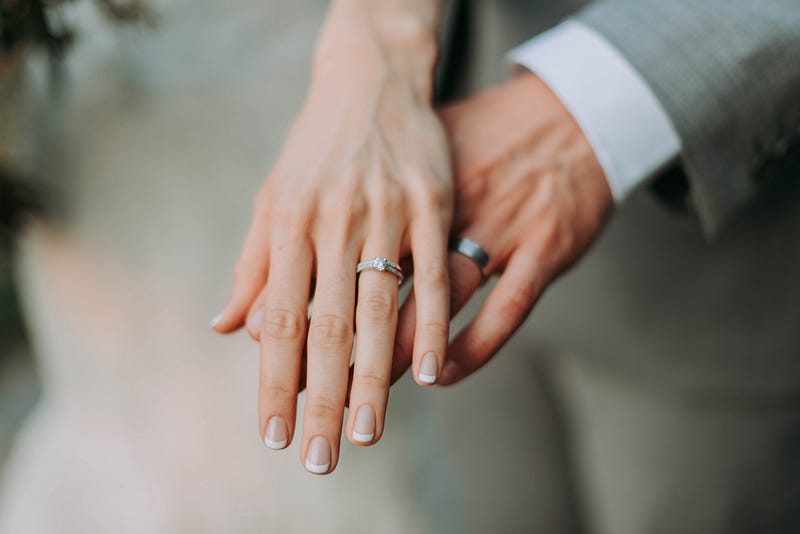
Rejecting the idea of marriage by choosing to live a more independent lifestyle, while having multiple loving committed relationships, is truly a different way of partnering with others. Autonomy, not marriage, is the goal of solo polyamorists.
3. Your Time Belongs to You
Time is the one thing we are all given the same amount of everyday. It is the resource we all think about when our life is ending, "Did I spend my life in the way that was most fulfilling?” And… “I want more time!”
How do you spend your time and who controls your time each day? The answer to this (work, other people, a spouse, kids, hobbies, etc) reveals the level of autonomy you enjoy in your life. For many people, a spouse or partner dictates a large amount of your time and where it is spent each day.
We live in a hustle-culture and merging our lives with others involves sharing precious organized time, committment, and resources.
If you believe you should be the one who controls the majority of your time, while allowing yourself to remain open to spending time with other loving, committed partners, you may practice solo polyamory.
We live in a hustle-culture and merging our lives with others involves sharing precious organized time, committment, and resources. Consciously choosing to maintain a level of control over the majority of your personal time is important to someone who practices solo polyamory.
4. You Want to Avoid Riding the Relationship Escalator
The Relationship Escalator is the assumed relationship default and societal norm which romantic relationships are expected to conform: from the beginning of an initial contact, to marriage and children, and ending with death. It is the expected steps a couple follows throughtout the course of their relationship in order to be considered socially legitimate.
The Relationship Escalator is a term defined by Amy Gahran and she has written a book about this cultural expectation for intimate relationships in the book of the same name. For those interested in learning to step off the relationship escalator, her work is truly revolutionary in the polyamorous community.
If you identify as a solo polyamorous person, the expectation of dating, engagement, moving in together, marriage, children, etc. may feel stifling of your independence. There is a lack of freedom over the kind of life one is able to have as a relationship escalator implies relationships are a means to an end.
It is perfectly acceptable to have meaningful, loving relationships which don’t involve packing up all your belongings into a Uhaul and signing a lease to move in or have a child together.
Once you are apart of the relationship escalator, you can not go backward without huge disruption to your relationship and life. The escalator is a one-way trip toward a specific destination, therefore, stepping off implies break up, dissolution, and divorce. There is no socially acceptable way to untangle that escalator once you begin the trip.
Choosing not to participate in the escalator from the beginning of a relationship allows your connections with others the freedom to organically develop however they naturally would like. You can have your relationship dynamics look however they want without fear of change or evolution or dissolution if things evolve.
Riding the relationship escalator enforces the idea there is only the “one” socially-accepted person who is perfect for everyone.
Avoiding the relationship escalator allows each person to maintain a level of autonomy and independence difficult to hold onto while merging a life with someone else.
5. Your Commitment is to Yourself
If you believe your self to be your own primary partner, you may be solo polyamorous.
A commitment to oneself is the hallmark of solo polyamory. Prioritizing oneself is very difficult, and even impossible, in some relationship dynamics.
Prioritizing your own growth, mental health, hobbies, and career can be difficult when partnered in a way that takes time from each of those aspects of your life.
While choosing to put yourself first, you are able to make deliberate, careful choices for how to spend your time with others, without sacrificing yourself and your own needs.
I believe many of us default to monogamy or monogamish-like relationships because this is what we have been programmed to accept. Putting ourselves first is not something most of us were taught within our society or institutions, yet is the foundation of a solo polyamorous lifestyle.
In my ideal life situation, a communal living situation would exist for myself and my partner(s). Each of us would have our own private, living space and be able to retreat to our own place. When we want to share our time and space with a partner, we would be able to invite each other into that space for as long as want.
While choosing to put yourself first, you are able to make deliberate, careful choices for how to spend your time with others, without sacrificing yourself and your own needs. This commitment to yourself allows you to commit more openly and whole-heartedly to other partners, for you are your own primary partner.
**