
Social Renaissance: Reimagining Communities for the 21st Century
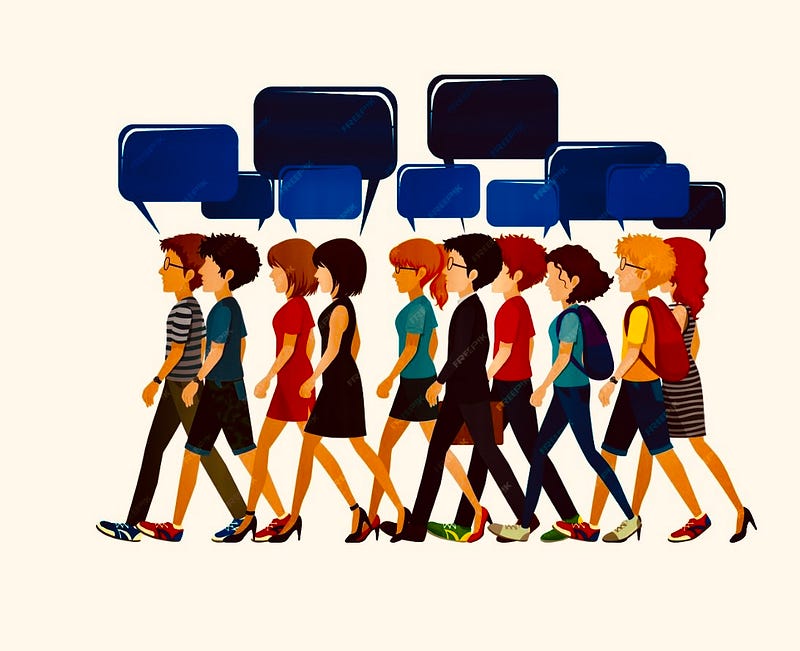
In an era marked by rapid technological advancements and globalization, the concept of community is undergoing a profound transformation. The traditional notions of neighborhoods and social circles are being redefined as people seek new ways to connect, collaborate, and thrive in the digital age. This societal shift has given rise to what can be termed a “Social Renaissance” — a movement towards reimagining communities for the 21st century.
The Changing Landscape of Communities:
The advent of social media platforms, online forums, and digital communication tools has facilitated connections across geographical boundaries, enabling individuals to form communities based on shared interests, values, and beliefs rather than proximity alone. This virtual landscape has democratized access to information and resources, empowering marginalized voices and fostering inclusive communities that transcend traditional barriers.
Moreover, the COVID-19 pandemic further accelerated this trend, as lockdowns and social distancing measures prompted individuals to seek alternative means of socialization and support. Virtual gatherings, remote work, and online learning became the new norm, highlighting the resilience and adaptability of human communities in the face of adversity.
Key Principles of Social Renaissance:
At the heart of the Social Renaissance lies a set of principles that guide the reimagining of communities for the 21st century:
1. Digital Inclusivity: Ensuring equitable access to technology and digital literacy skills to bridge the digital divide and empower all members of society to participate in online communities.
2. Diversity and Inclusion: Celebrating diversity and embracing inclusion to create vibrant and dynamic communities that reflect the richness of human experiences and perspectives.
3. Collaborative Innovation: Fostering a culture of collaboration and knowledge sharing to drive innovation and address complex challenges facing society, from climate change to economic inequality.
4. Empathy and Compassion: Cultivating empathy and compassion as foundational values that underpin meaningful connections and mutual support within communities, both online and offline.
5. Sustainable Practices: Promoting sustainable practices and responsible consumption to build resilient communities that prioritize the well-being of both people and the planet.
Case Studies and Examples:
Numerous examples illustrate the diverse manifestations of the Social Renaissance across different domains:
• Crowdfunding Platforms: Websites like Kickstarter and GoFundMe have democratized fundraising, enabling individuals to support creative projects, charitable causes, and community initiatives.
• Online Learning Communities: Platforms such as Coursera and Khan Academy have democratized access to education, allowing learners worldwide to engage in lifelong learning and skills development.
• Community Gardens and Urban Farming: Initiatives promoting urban agriculture and community gardening foster social cohesion, environmental stewardship, and food security at the local level.
Conclusion:
The Social Renaissance represents a paradigm shift in how we conceptualize and cultivate communities in the 21st century. By embracing digital connectivity, diversity, and collaboration, we have the opportunity to build inclusive and resilient communities that harness the collective wisdom and creativity of humanity. As we navigate the complexities of our rapidly changing world, the principles of empathy, sustainability, and innovation will guide us towards a brighter and more interconnected future.


