
Magic and Science in the World of Harry Potter
Exploring the Alchemical Nexus: Intersections of Magic and Science in the Wizarding World of Harry Potter
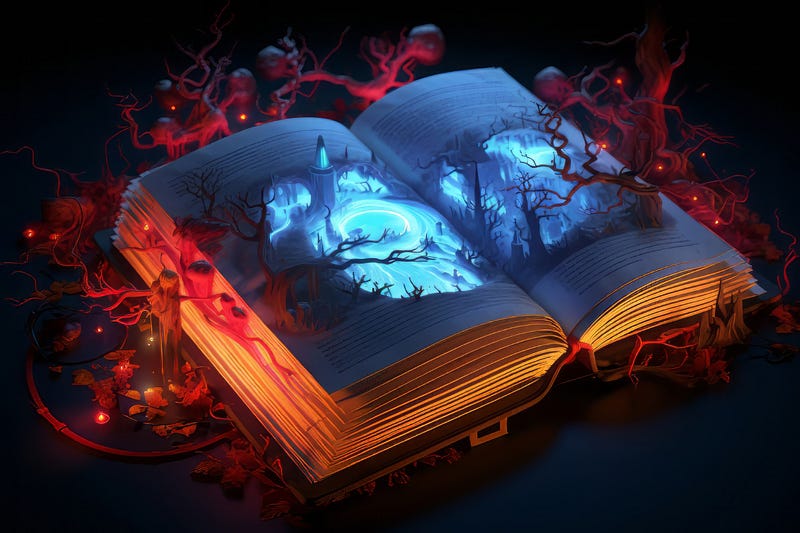
The magical universe of Harry Potter, created by J.K. Rowling, intertwines the realms of magic and science in a fascinating way. While magic is the predominant force shaping this world, elements of science also play a significant role, often complementing or even enhancing magical practices. This article explores the dynamic relationship between magic and science within the Harry Potter series, highlighting instances where the two intersect and coexist.
Magic: A Fundamental Force In the wizarding world, magic is not merely a supernatural phenomenon but a fundamental force governing everyday life. Witches and wizards harness this power through spells, potions, and magical artifacts. From casting charms to brewing potions, magic permeates every aspect of the wizarding society, shaping its culture, economy, and politics.
Science in the Wizarding World Despite the prevalence of magic, elements of science are evident throughout the Harry Potter series. One notable example is the study of alchemy, which combines principles of chemistry, philosophy, and mysticism. Characters like Nicolas Flamel are revered for their alchemical achievements, such as creating the Philosopher’s Stone, which grants immortality.
Moreover, magical creatures provide an avenue for scientific inquiry. Wizards like Newt Scamander demonstrate a scientific approach to understanding magical beasts, documenting their behavior, habitats, and magical properties. This blend of observation and analysis mirrors scientific methodology, albeit within a magical context.
Alchemy and Potions: Bridging Magic and Science Potions, a staple of magical education at Hogwarts School of Witchcraft and Wizardry, exemplify the intersection of magic and science. Brewing potions requires precise measurements, controlled heat, and adherence to specific instructions, akin to laboratory protocols in chemistry. Ingredients like unicorn hairs and powdered dragon scales possess magical properties yet react according to scientific principles when combined.
Moreover, alchemy, as depicted in the series, emphasizes the transformation of substances, echoing themes of transmutation found in classical alchemical texts. The process of creating potions mirrors chemical reactions, suggesting a harmonious relationship between magical and scientific principles.
Magical Artifacts and Technological Innovation The wizarding world showcases advancements in magical technology, paralleling scientific progress in the Muggle (non-magical) world. Objects like the Marauder’s Map, enchanted to reveal the whereabouts of individuals, resemble GPS tracking systems. Similarly, the Time-Turner allows users to manipulate time, akin to theories of time dilation in physics.
Furthermore, the development of magical devices such as the Sneakoscope, which detects deception, demonstrates a scientific approach to problem-solving within the wizarding community. These inventions blur the line between magic and science, illustrating how both disciplines contribute to innovation and progress.
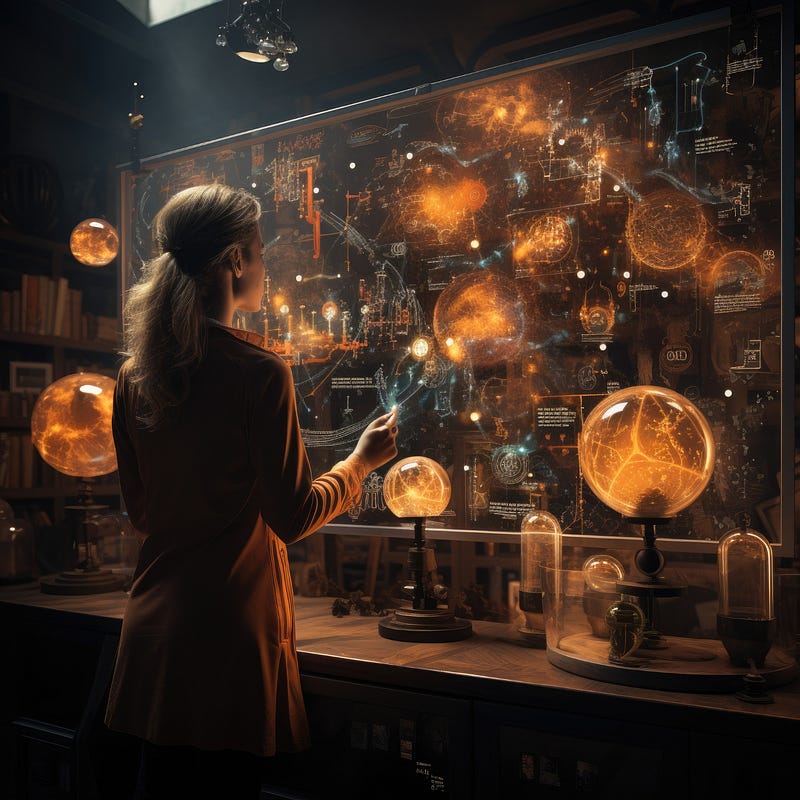
Conclusion : The world of Harry Potter masterfully blends magic and science, presenting a rich tapestry where these seemingly disparate forces coexist and interact. While magic serves as the primary mode of existence for witches and wizards, elements of science permeate their world, enriching it with depth and complexity. Through alchemy, potions, magical creatures, and technological innovation, J.K. Rowling seamlessly integrates scientific principles into her magical universe, inviting readers to explore the dynamic relationship between magic and science.


