
NFTs, Defi, Cryotp, Anarchy, Art
So, These People in the NFT Space Plan to Literally Set $1 Million on FIRE!
🔥 Now that’s (an expensive) fire!
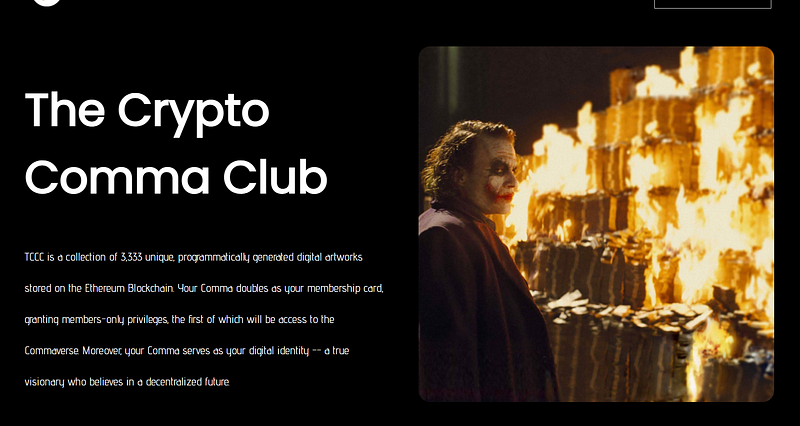
The other day, a cryptic letter landed in my inbox. The part that caught my eye read: “TLDR if you don’t read anything else: we want to burn around $1,000,000.”
At first, I didn’t take that literally, as people tend to use the verb “burn” to mean “spend.” So, I nearly dismissed it, as I hear that sort of thing constantly when pie-in-the-sky types tell me about their NFT marketing plans.
But something about this letter was different. They weren’t asking anything of me at all, except for my opinion. Still, I didn’t want to waste time (which is absolutely precious to me these days), so I quickly fired back a question out of sheer curiosity. Chuckling to myself, I sent:
→ Are you *literally* going to burn cash?
They responded:
Yes, we are planning to 🔥 literally light piles of money on fire 🔥 and turn the evidence into NFTs. We’re planning to burn the largest stacks of USD ever, so one of our holders will get a world record USD burn as an airdrop.
[Note: 🔥 emoji added by me here, for dramatic flair.]
Now that, my friends, is uncomfortably disruptive, potentially dangerously subversive, and undeniably compelling (and, if you’re into defi, a little hilarious simultaneously). I fired back that such a stunt “perfectly encapsulates every aspect of crypto into a vividly absurd socio-economic-artistic-anarchist statement about decentralization.”
Because, while we’re all having jolly fun making, minting, collect, and flipping dressed-up animal NFTs in this industry (because I sure am — my company handles generative NFT drops!), there’s clearly something much deeper emerging with web3, and groups like “The Crypto Comma Club” — as these anon Benjamin-burners call themselves (a self-described “collective of certified douchebags and crypto anarchists”) — see it coming.
And what more effective way to demonstrate that than literally burning piles of fiat currency (anonymous as it may need to be)? Like it or not, decentralization and crypto are the future of technology, the direction in which finance is rocketing, and the means to individual empowerment over many rather oppressive establishments — and these folks are working to send a strong signal out to the world about this undeniable truth (uncomfortable and upsetting as it will certainly be for many to witness).
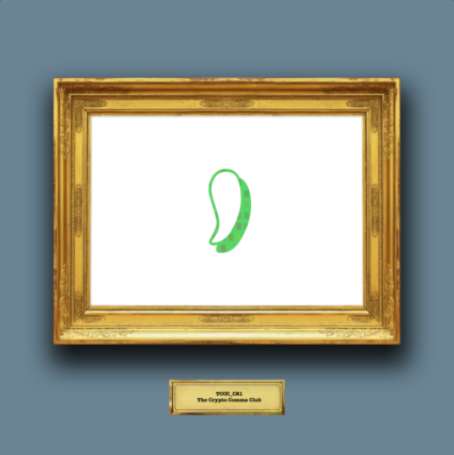
The “comma” represents wealth, of course. I think it’s fair to say that, at least in America and Europe, the vast majority of people spend significant portions of their lives revolving around the first available comma, many in more regular proximity to the decimal than that elusive first comma. Worldwide, fewer than 1% will ever see a second comma, and less than two people per million will ever see a third.
So, I don’t think this project is about pride around the number of commas in a bank account. Rather, it’s about the aforementioned empowerment of the individual, via decentralization, to finally move themselves left of the decimal further than ever before. And of course, the bad news for some is that these things we call web3 / defi / decentralization, and crypto … they’re in motion and unstoppable. As such, those institutional powers who’ve effectively hoarded commas for aeons will be powerless to extinguish the flames of their system crashing.
Hence the metaphor, dramatic as it is.
Anyway, I don’t really know these comma club characters (and it looks like no one else does either, with their 34 Twitter followers), but in my quest lately to shine light onto the more interesting and/or provocative projects and developments I’ve seen in the space, this stood out, and I believe may raise some eyebrows in various worlds (art, finance, politics) if they gain some real traction.
Or, hey, if you’d just like to cringe while watching $1 million burn, it could be worth tuning in for that, as well. I’m interested to see what they wind up doing. Find The Crypto Comma Club on their web site or on Twitter.
UPDATE: It’s been years since I published this article and, as I just noticed, the accounts for this project are now non-existent. So, I imagine that, like so many other projects, they simply were never able to reach a mass audience. Still, I’m leaving the article up just to document that it was a planned project at one point. Who knows what might’ve become of it if circumstances had changed on the marketing front for them.


