
Snake Island off the coast of Brazil is so dangerous that entry has been banned
Snake Island covers an area of just 430,000 square meters and is home to an endemic species of venomous reptiles. How did they get there? Who can watch them in the wild?
.jpg)
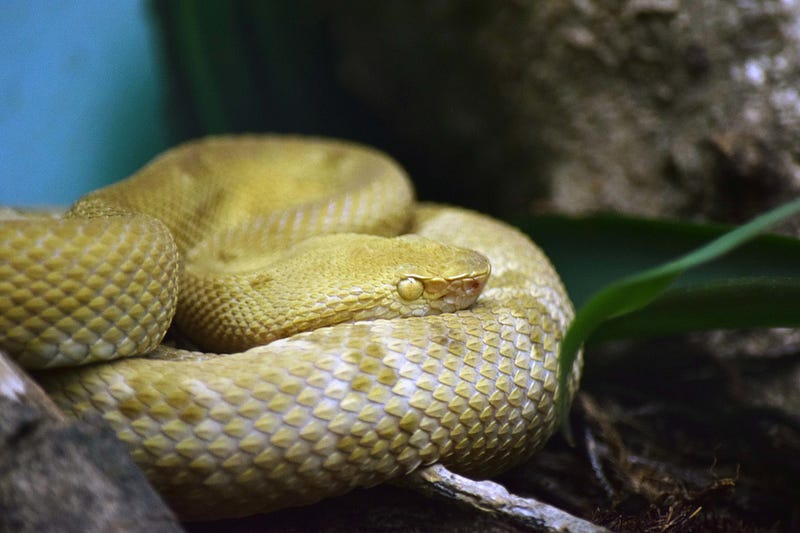
Located about 144 kilometers from São Paulo, Snake Island (not to be confused with Ukraine’s Snake Island) is considered one of the most dangerous places in the world. This is due to its inhabitants, including Bothrops insularis.
Snake Island is an unofficial, colloquial name. The original in Portuguese — Ilha da Queimada Grande — refers not to the deadly reptiles, but to plans to deforest the island in the early 20th century. More than 100 years ago, a fire was started on the island to clear land for a banana plantation. When it came to light how many snakes inhabited the area, the idea fell through. To this day, no people live permanently on the island.
A species more dangerous than its cousins
Bothrops insularis is a species endemic to the Brazilian island. Its venom is stronger than most individuals of the Bothrops genus. It also acts several times faster. Is it dangerous to humans? Probably deadly. Since Bothrops insularis lives on an island uninhabited by humans, there are no official reports of bites. However, its cousins are responsible for the majority of snakebite deaths in South America.
The venom of these snakes fascinates scientists, and is a tempting booty for poachers and collectors. For this reason, Snake Island requires protection. Access is controlled by the Brazilian Navy. The military monitors who comes to Ilha da Queimada Grande and for what purpose. Only selected scientists and military personnel occasionally visit the site.
Researchers must obtain special permits before arriving. In addition, certified doctors accompany them on site.
Snake Island once and today
Despite the high risk, a handful of people once lived on Snake Island. We’re talking about the years 1900–1920, and all that’s left of the lighthouse keeper and his family is the lighthouse. According to Smithsonian Magazine, they all died from the bites of venomous snakes. The reptiles were said to have slipped in from inside through the windows. However, the story is unconfirmed and raises numerous doubts.
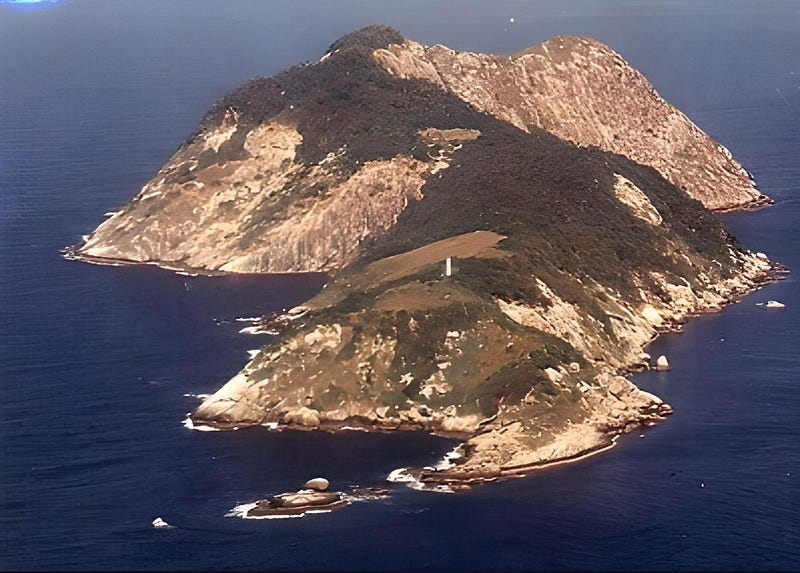

Currently, the island’s lighthouse operates automatically. The Brazilian Navy is responsible for annual maintenance and repairs.
Bothrops insularis is not the only threat lurking for uninvited visitors to the island. Some say that the number of reptiles there is about 5 individuals per square meter. Snakes, however, are becoming fewer and fewer. The density of them is decreasing every year.
It is estimated that there used to be up to 400,000 Bothrops insularis snakes on the island. Today there are almost half as many. Numbers vary between 2,400 and 2,900 individuals. What has led to the depletion of the population? There are not enough food resources on the island to support such a large group. Poachers are also a threat to the species. Prices for a captured snake start at $10,000 on the black market.
Cool that you made it to the end of this article. I will be very pleased if you appreciate the effort of creating it and leave some claps here, or maybe even start following me. It would be nice if you also left a tip! Thank you!