
EMOTION RECOGNITION TECH
Smile… You are on China’s emotion recognition camera
This is yet another addition to China’s tech arsenal which pries on the privacy of its own citizens
Adoption of surveillance tech in China is among the highest in the world, led by the extensive use of facial recognition technology in the country. And despite people’s displeasure on the use of technology, there is very little a common man can do within an autocratic society like China.
Back in 2019, China brought in mandatory facial recognition for mobile phone users who are registering new SIM cards. China stands out in the world when it comes to using facial recognition — where an estimated 170 million surveillance cameras (CCTVs) or one for every 12 of its citizens are watching their every moment. This number is expected to balloon to 570 million in the near future.
At the current rate of growth, the country is all set to account for 45% of the facial recognition tech in 2023. Although the futuristic tech is being used in as many as 98 countries around the world, its implementation is not as absolute as in China — owing to the lack of any privacy laws and an autocratic government with absolute powers at the helm of affairs.
Despite general displeasure and individual lawsuits against the use of technology, there is little reprieve for the citizens where the government can implement anything in the name of national security and public safety. And the latest move is based on the emphasis on the creation of “positive energy” as part of an ideological campaign — to encourage certain kinds of expression and limit others.
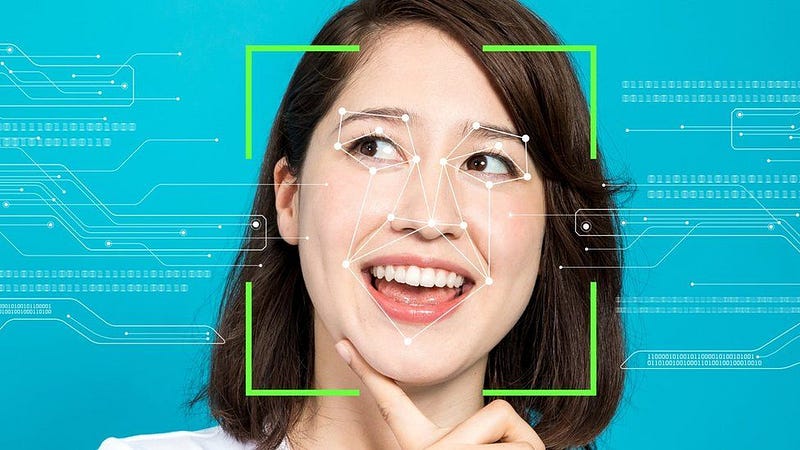
While facial recognition tech simply compares faces to determine a match, the new facet of Emotion-recognition technology involves the mass collection of sensitive personal data to track, monitor & profile people and uses machine learning to analyze expressions and other clues. The novel tech is able to track facial expressions of anger, sadness, happiness & boredom, as well as other biometric data to determine a person’s feelings based on traits such as facial muscle movements, vocal tone, body movements & other biometric signals.

Ordinary people here in China aren’t happy about this technology but they have no choice. If the police say there have to be cameras in a community, people will just have to live with it. There’s always that demand and we’re here to fulfill it.”
~ Chen Wei at Taigusys
Taigusys, a Chinese company specializing in emotion recognition technology is installed in about 300 prisons, detention centers, and remand facilities around China, connecting 60,000 cameras. Critics believe the tech could have serious implications for human rights, privacy, and freedom of expression, the proponents like Chen Wei at Taigusys says it would be able to predict dangerous behavior by prisoners, detect potential criminals at police checkpoints, problem kids in schools & elderly people experiencing dementia in care homes.
In the absence of any strict privacy laws, companies such as Taigusys have complete freedom to develop and roll out these products when similar businesses in the US, Japan or Europe cannot. Apparently, Chinese citizens can’t afford to feel grumpy, grouchy, angry or agitated for any reason anymore.
Interested in becoming a part of the Open Source X Team — Contact Us


