
Smartphones Soon To Become Dinosaurs
Are you mentally prepared for the horrors of Ambient Computing?
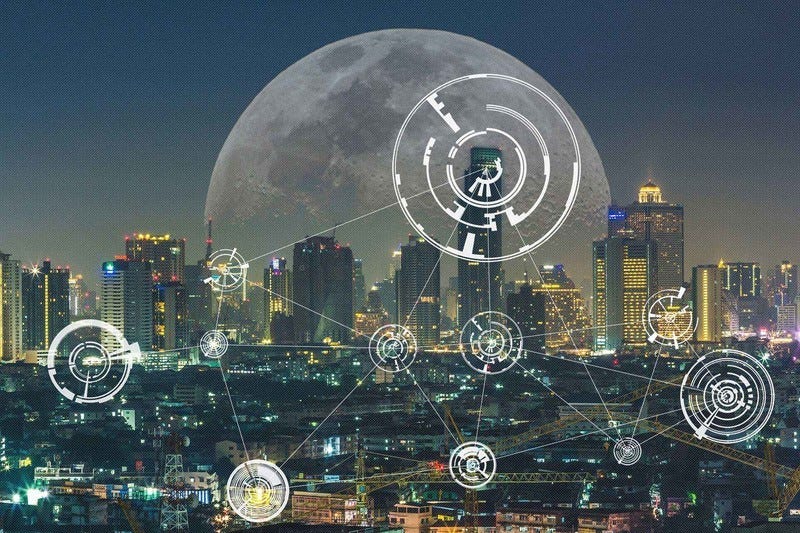
Imagine a morning where you’re woken up by vibrating sensors, smart devices slowly lifting the window blinds to let in natural light. The moment you enter living space, position locators identify your presence and intelligent speakers automatically read aloud the daily news to you. Your coffee machines make you a coffee that tastes the same, just with your desired temperature.
Pictured a perfect start to the day according to your preference?
This scenario explains ‘Ambient Computing’, one of the buzzwords of silicon valley today.
Ambient Computing is about putting the internet of things to work. In layman terms, it’s about experiencing AI making decisions without our involvement, with computers taking care of the background stuff.
Goals of Ambient Computing
Today you have to interact with the devices to make them work a certain way. Eg: When working out, you have to switch modes in your smartwatches to let it know you are about to begin exercises.
The future would hold an entirely different picture. Instead of actively inputting values to the device, you simply just interact with your surroundings. Devices in return will respond to your actions and adjust accordingly.
Whatever little friction exists between humans and computers will be diminished. It actively employs artificial intelligence, gestures, wearables, motion tracking, and speech recognition to perform its actions.
Imagining Tech Centric Environments
Union is strength. With an array of smart devices surrounding us, our attention on the primal mobile devices could be deterred. Things will be beyond the size of the small screen, notably owing to outraging success of these technologies:
1. Virtual Reality and Neuralink
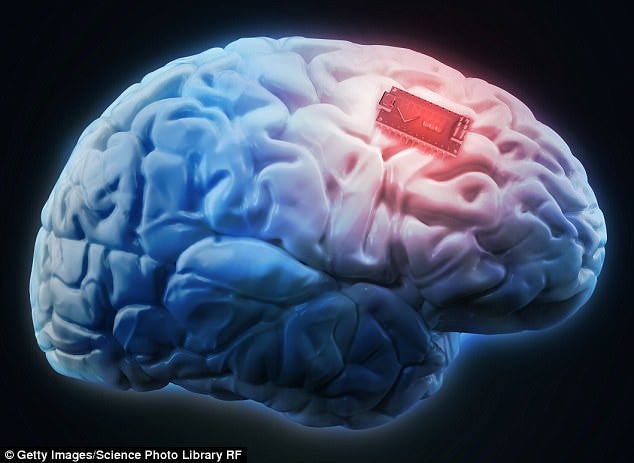
All this takes a pair of modish glasses to make any surface turn into a screen. A similar idea is ingested by Elon Musk’s startup that is empowered on a mission to implant computers directly into human brains. Wutt?
Sounds amazingly incredible?
Controlling computers with one’s brainpower seems exciting and the cherry on top is that its arrival isn’t too far away either.
2. IOT
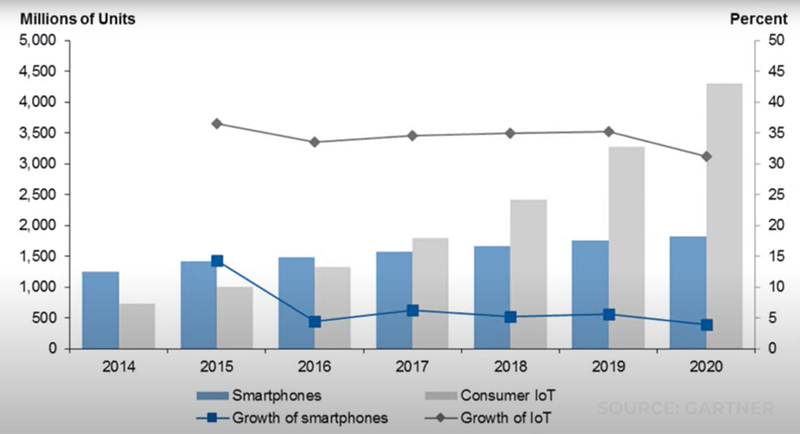
This has already seeped into our lives pretty well. Smart home speakers are a great reminder of how devices like our refrigerators, tv, and ac are webbed together to facilitate us. Moreover, the introduction of eSIM- virtual SIM cards will allow greater freedom of navigation within these devices without needing any smartphone.
This explains why we won’t be needing smartphones because technically we’ll be smartphones.
Welcome to the future
‘Alexa, can you turn off the lights?’ ‘Hey Siri, I’m bored!’
These days, smart devices are already interacting with each other. What will be new?
Predicting ‘exact’ things is beyond human capacity, however, integrated systems will be up for grabs then. This can shape communication protocol between computing devices for universal compatibility.
With human’s changing demands, intelligent devices may go silent and would understand the need by predictive behaviors. This implies working in that new setting will be quieter and faster. Devices will act fast and will be efficient without requiring human authorization at every step as it is used to now.
Are we using it already?
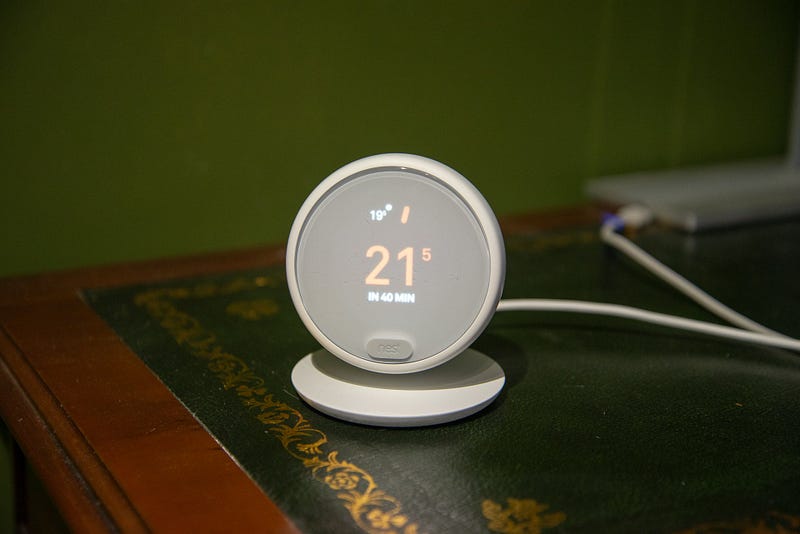
Probably millions of people are but are not just aware of it. Nest smart thermostats are homes are an ideal example of it. It detects if people are walking around in the house, sitting, etc. Based on the movement stats collected it sets the temperature to either lower or higher.
Smart Airpods utilize dynamic head tracking and spatial audio for fine-tuning and adapting the sound based on the user’s position without manual change of settings or configurations.
Going phoneless has its cons
Downsides are apparent companions wherever the things shine. Having so much data collected and it is shared across other devices(means other companies owning those devices) is a risk in itself. Privacy and hacking issues with ambient computing are yet to get solved.
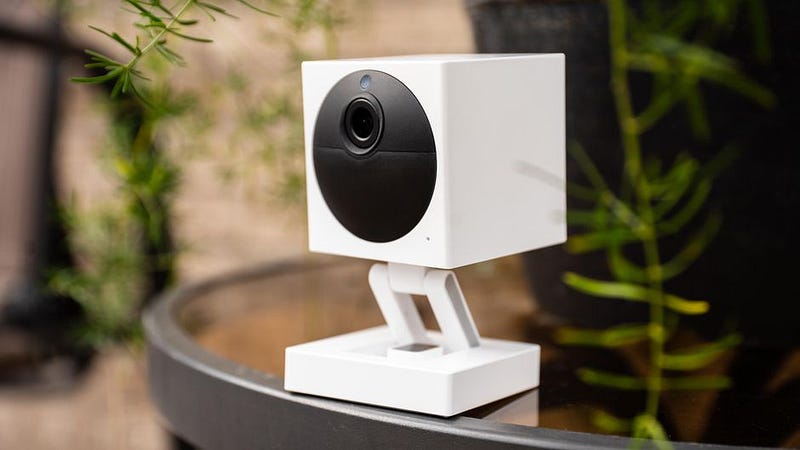
- The introduction of privacy measures like camera shutters, mic, and cloud data disposal is one solution that can be controlled by the user but it is highly subjective to them.
- Limiting the storage and processing of smart devices to local areas instead of the cloud is one option. But it will take some time to co-exist, as the brands won’t be very happy about the non-collection of information for analyzing purposes.
Bottom Line
Tech giants, namely Samsung and Amazon are actualizing the need for incorporating Ambient computing as shown by their product lines.
The tipping time for smartphones to get replaced is soon maybe in the next 10–20years as its traces can be already seen all around
The functionality of smartphones for adding connectivity is that people’s lives will be extended by Ambient computing. Translation of technical processes performed by smartphones might be overtaken for good to leverage the new machine age.
Hey, if you want to follow up more from me and other amazing writers on Medium, here’s a chance for you to join:


