
Six Pre-Workout Habits That Destroy Your Goal
Eliminate these poor habits obstructing you from achieving your fitness goals.
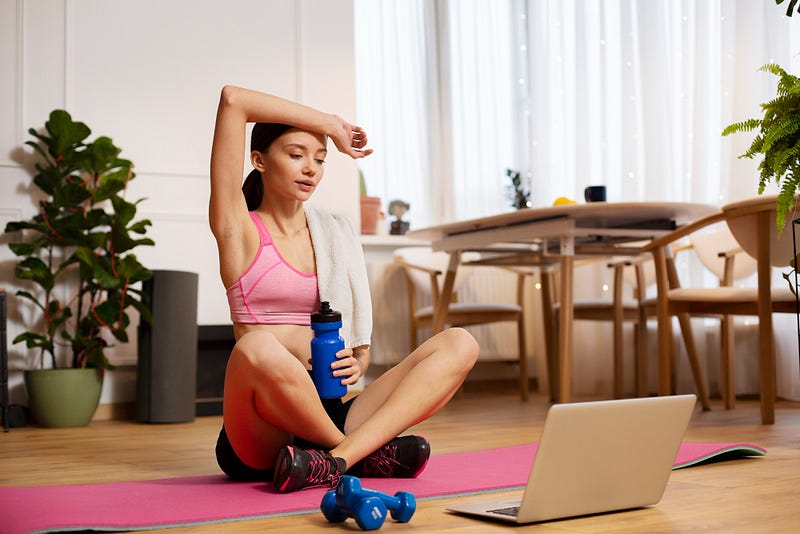
Pre-workout habits can ‘make or break’ your workout success. Whether we like hitting the gym or not, you can agree that if you are going to exercise, it should be as beneficial and effective as possible.
It doesn’t matter if you’re training for mental stability or for the positive endorphins it can provide, or if you’re looking to shed a few extra pounds — we all want to feel our time in the gym is worth it.
An effective workout routine begins before you even hit the gym or start sweating, and it doesn’t end with the last set of lifts either. There are several things to consider when doing an effective workout.
In this article, I’ll go over some of the 6 worst mistakes you should stop if you want to boost your metabolism to lose and keep off stubborn body fat.
Stop doing pre-workout stretching
For a long time, we have believed that stretching before a workout session loosens muscles.
However, recent studies have shown the opposite. Loosening the muscles is better with a warm-up than with stretching.
Stretching a “cold” muscle can not only cause injuries such as pulls and strains but can actually reduce strength on the stretched muscle.
Experts recommend doing stretches only if the muscle is short, which means that the length is not enough for the exercise you are trying to do.
Otherwise, do the stretches after a workout or on a separate day when you don’t workout.
Stop drinking too much water
It’s important to be well hydrated before a workout, but don’t drink too much water because if you do, your blood will try to balance the salt levels.
Your cells may swell, and you may experience symptoms such as dizziness, pain, and even vomiting.
It is best to drink water 1 to 2 hours before training. You may need to drink more if you sweat more or if the weather is warmer.
Runners are advised to drink before exercise only if they are attending an event where they expect an excessive and rapid loss of sweat.
Don’t eat a heavy meal close to workout time
If you eat a large meal just before starting your exercise, your body will naturally direct blood flow to your digestive organs.
But when you begin your exercise, your body will direct blood flow to the muscles you are targeting.
It is especially difficult for the body to do both fitness and digestion when you eat foods that are high in saturated fat, such as burgers or fried eggs, or fiber, such as vegetables.
Instead of just focusing on fat burning and muscle building, the body will also use a lot of energy for digestion, which can result in an increase in your blood sugar.
Exercising on a heavy stomach will not only make you feel heavy, it will also cause cramps and discomfort. As a result, you cannot train properly and can even stop the session altogether.
Always make sure you give yourself at least a 2-hour break between a heavy meal and training. Although, experts recommend eating a light meal or nothing before a workout.
Consuming slower digesting carbohydrates or eating a few hours before exercise can benefit long-term performance.
Don’t exercise on an empty stomach
Eating the right kind of food before exercise can improve performance. Consuming a light meal or pre-workout protein shake forces the body to burn fat for energy.
Your body needs the energy to be able to exercise effectively and efficiently. When the stomach is empty, the body doesn’t have the fuel to move, just like a car.
Dairy products are problematic because they stimulate mucus production and cause stomach upset in some people, which can derail a workout.
Fatty, carbohydrate-rich foods won’t melt the top of your muffin. Instead, your body will begin to break down sugar in muscle tissue.
A fruit, handful of nuts or any complex carbohydrate must be consumed an hour or 2 hours prior to your workout.
Avoid taking painkiller
Many athletes often take pain relievers such as ibuprofen before hitting the track or the gym. Some believe it will help improve their performance as it reduces pain.
However, a new study has shown that the opposite is the case. Pain relievers act as muscle relaxants, which have a reverse effect that is not needed during exercise.
Using ibuprofen during prolonged exercise can cause small intestine injury in healthy, fit men accustomed to resistance training.
Also, taking pain killers before exercise has been linked to ulcers, gastrointestinal bleeding, and loss of bacteria from the colon into the bloodstream.
In a study conducted on runners, those who took ibuprofen were about 18 percent more likely to finish their races with kidney damage.
Practice safe training. Skip the workout if you need pain relievers, or opt for a gentle walk or other light cardio exercise.
Do not drink alcohol
No doubt alcohol sometimes makes you feel good. But it can also affect your performance, especially if you combine alcohol with a pre-workout before working out.
Experts have revealed that once alcohol enters the bloodstream, the liver begins the detoxification process to eliminate it. And while the blood is busy detoxifying, it’s unable to help your body utilize the nutrients in your pre-workout.
Alcohol can affect balance, reaction times, and fine motor skills, which can be dangerous if you lift heavy weights.
It can cause testosterone to become less available to the muscles over time, and testosterone also plays a role in muscle building and development.
Additionally, alcohol can inhibit the ability to store glucose after a workout. Whereas your body needs sugar after training to recover and replenish energy for the next workout.
Water and sports drinks are good alternatives to alcohol for pre-workout hydration and post-workout rehydration.
If you would like to get updated with stories like this in your inbox, subscribe to my newsletter. You might want to become a premium member, for as low as $5 you get the chance to read unlimited stories on Medium. Check out more of my health stories here.