
Singapore Botanic Garden — Things To See and Learn
Come along and explore with me the beautiful and colorful Garden of Singapore.
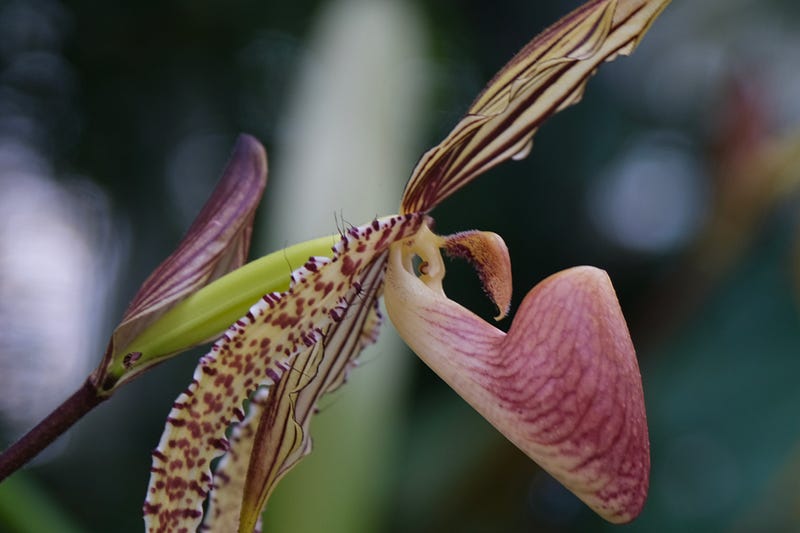
Let us begin with the History
The Garden has more than 150 years of history. 82-hectare Gardens holds a unique and significant place in the history of Singapore and the region through collecting, growing, experimenting, and distributing potentially useful plants. Source
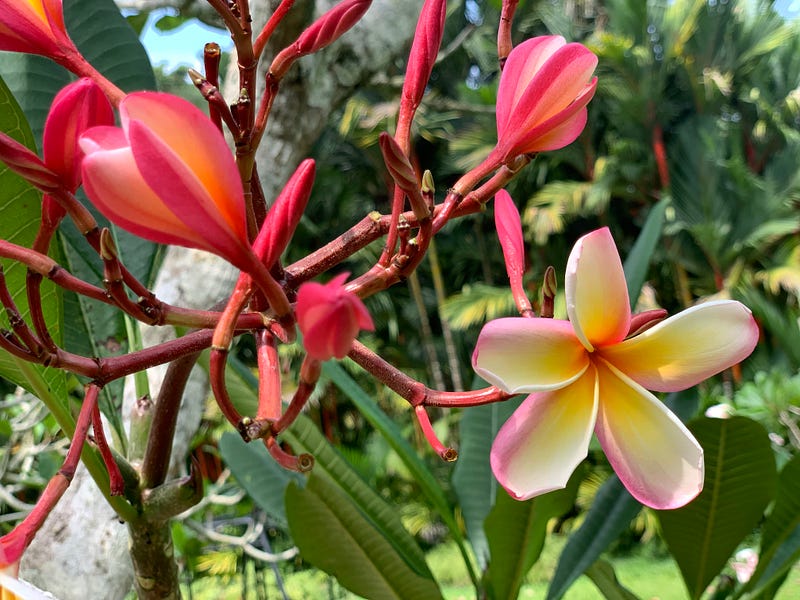
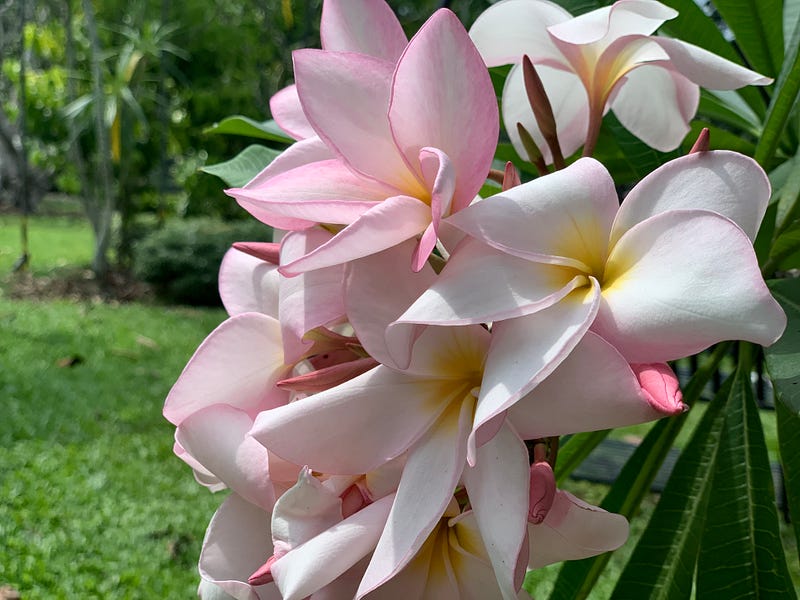
From 1928, the Gardens spearheaded orchid breeding and started its orchid hybridization program, facilitated by new in vitro techniques pioneered in its laboratories.
The Gardens also played a key role in Singapore’s Garden City program through the continual introduction of plants of horticultural and botanical interest. Source
The Bandstand
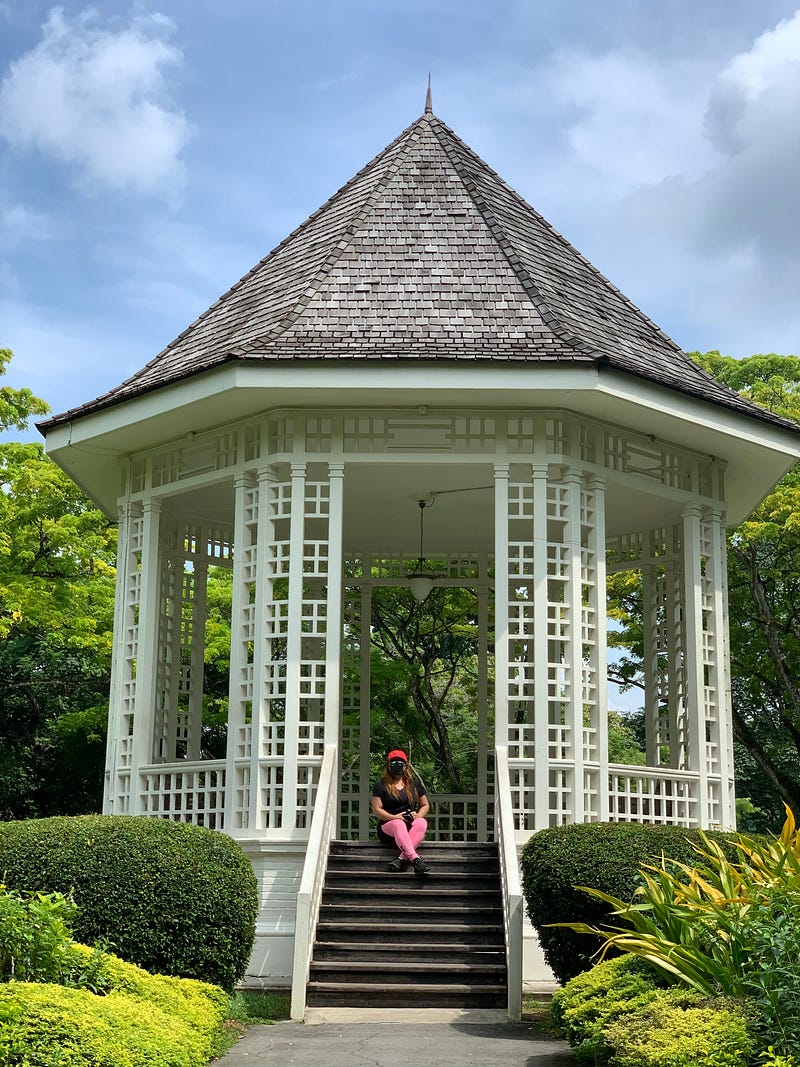
The Bandstand refers to the small hill that stood at 33 meters above sea level and was the highest point at the Tanglin Core. This Octagon Gazebo was erected in 1930 and has retained its original from over the years.
Music was played on the bandstand in 1862. In 1914, music was played by the King's Own Light Infantry amongst others, at the full moon each month, except April, up to the outbreak of war.
The hill was leveled off around the 1860s under the instructions of the first Superintendent of the Singapore Botanic Gardens, Lawrence Niven, to serve as the site for regimental bands to perform.
Although no longer regularly used for music performances, it is a favorite wedding photo spot and an iconic landmark of the Gardens.
Source from Singapore Botanic Gardens
I was once a photographer of a wedding ceremony held here in 2010 with a Filipina and the French Man.
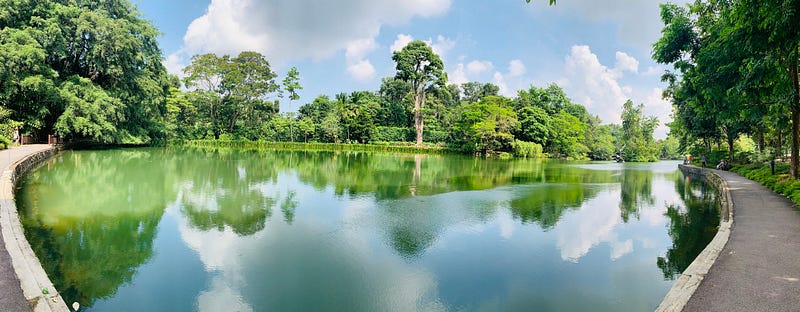
National Orchid Garden
We are now entering into one of my most favorite places in Singapore. The Orchid Garden.
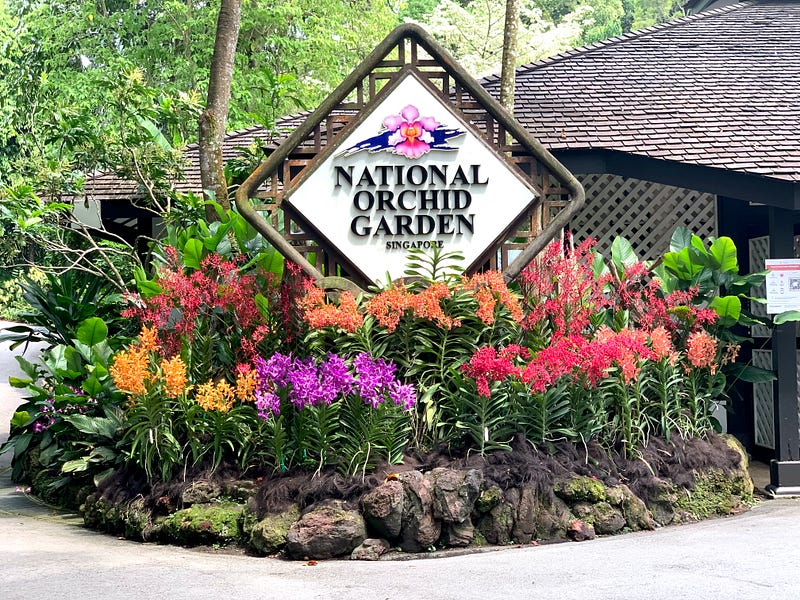
Singapore has been a center of orchid breeding since the 1930s. Some early hybrids have left important footprints in the world of orchids and have become part of Singapore’s floral heritage.
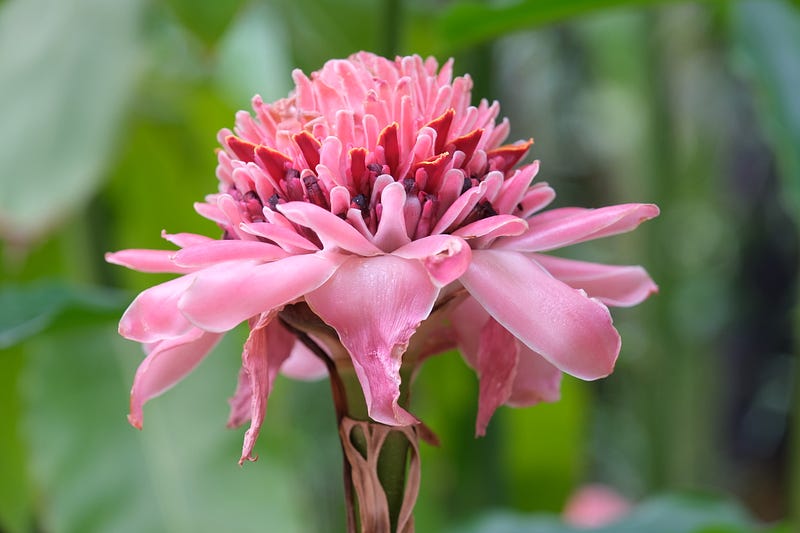
These include hybrids that have received international awards and orchids that have become important in the cut-flower trade or have been named after historical figures. Some are important as breeding stock for many of today’s hybrids.
Displays outstanding hybrids that have been named after heads of state and international dignitaries since 1956. Source
The Orchid Family — What we need to know
The orchid family, Orchidaceae is the second-largest family of flowering plants in the world. It is estimated that 25,000 to 30,000 or 10 percent of all species of flowering plants are orchids.
A Typical orchid flower has three sepals and three petals. The sepals are usually of similar shape, but one petal is different from the other two. It is called labellum or lip. The lip is the landing platform for pollinating insects. Each orchid flower has anther (male) and a stigma (female).
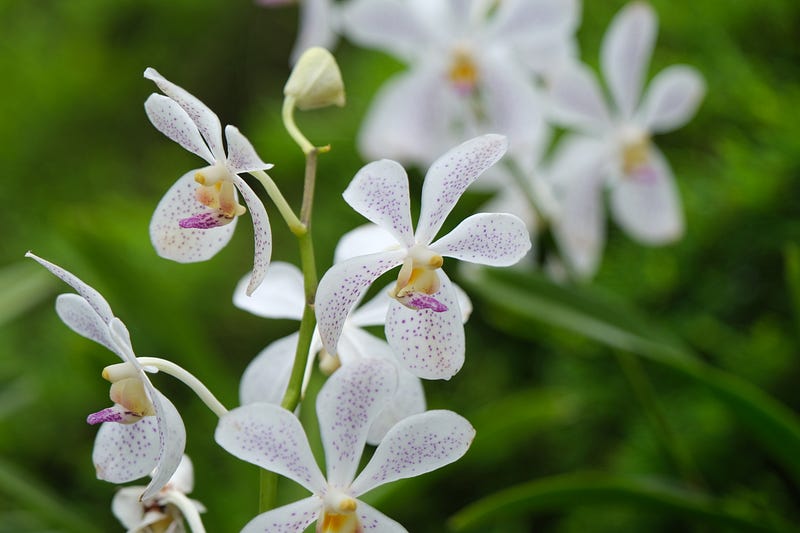
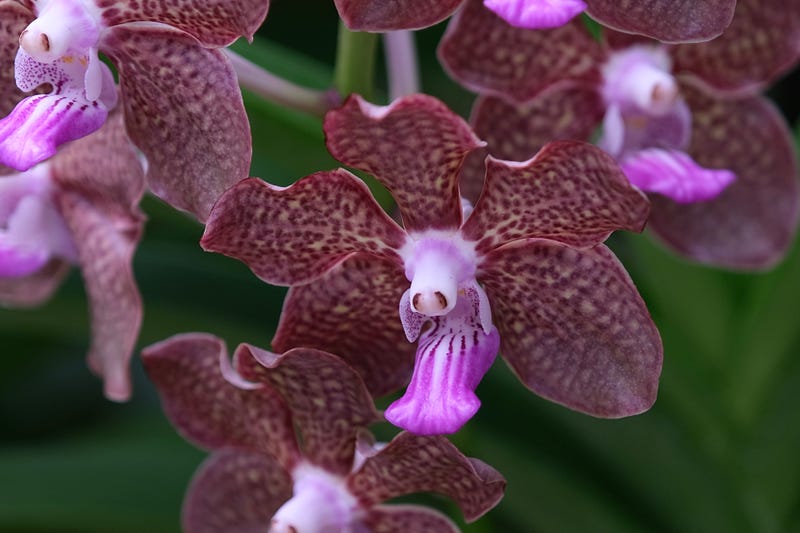
Vanda Miss Joaquim “Agnes” (Papillionathe Mis Joaquim), a hybrid between Vanda teres and Vanda hokeriana — both now classified in the genus Papillionanthe, is the weather-resistant and free flowering. Vanda Mis Joaquim was described and named by H.N. Ridley, then Director of The Singapore Botanic Gardens. in the Gardeners Chronicle, 24 June 1893.
The first Vanda hybrid in the world, it was awarded the prestigious First Class Certificate by the Royal Horticultural Society (UK) in 1897. It was selected on 15 April 1981 as the National Flower of Singapore for its beauty resilience and year-round blooming quality. (Source has taken inside Orchid Garden white house)
VIP Orchid Gardens — Who was here?
The VIP (Very Important People) Orchid Garden displays outstanding hybrids that have been named after heads of state and international dignitaries since 1956. Produce from the Singapore Botanic Gardens orchids hybridization program. These famous hybrids promote goodwill foster bilateral relationships with friends of Singapore.
I took some images which have blooming flowers during my walk at VIP Orchid Gardens and here they are below.
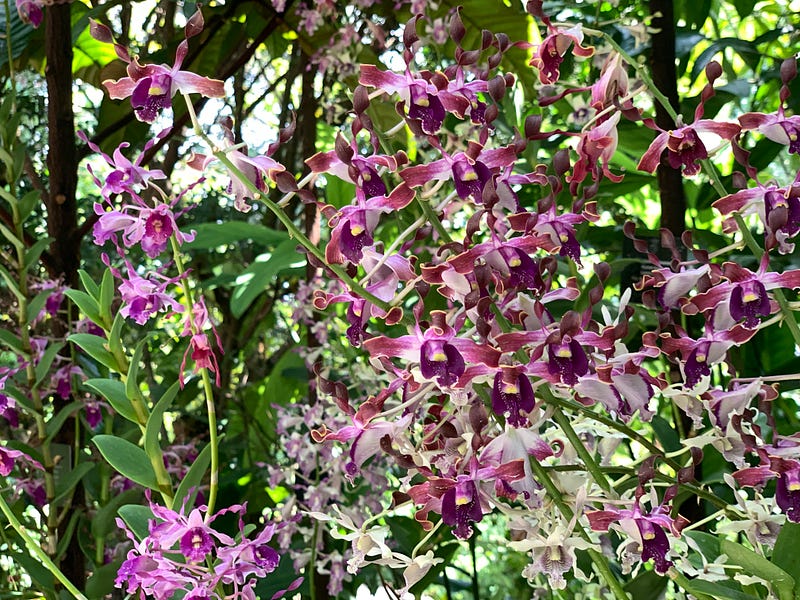
Sheikh Hasina (Dendrobium) — This orchid is named after Her Excellency Sheikh Hasina, Prime Minister of the Peoples Republic of Bangladesh, on the occasion of her visit to the National Orchid Garden on 13 March 2018.
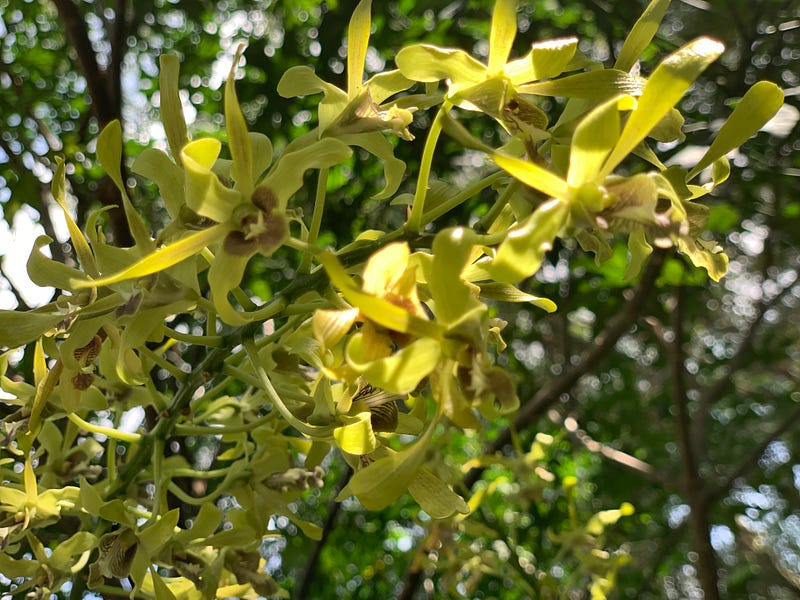
Dendrobium Alois — This Orchid is named after His Serene Highness Hereditary Prince Alois von und su Liechtenstein of The Principality of Liechtenstein on the occasion of his visit to the National Orchid Garden on 3 September 2010.
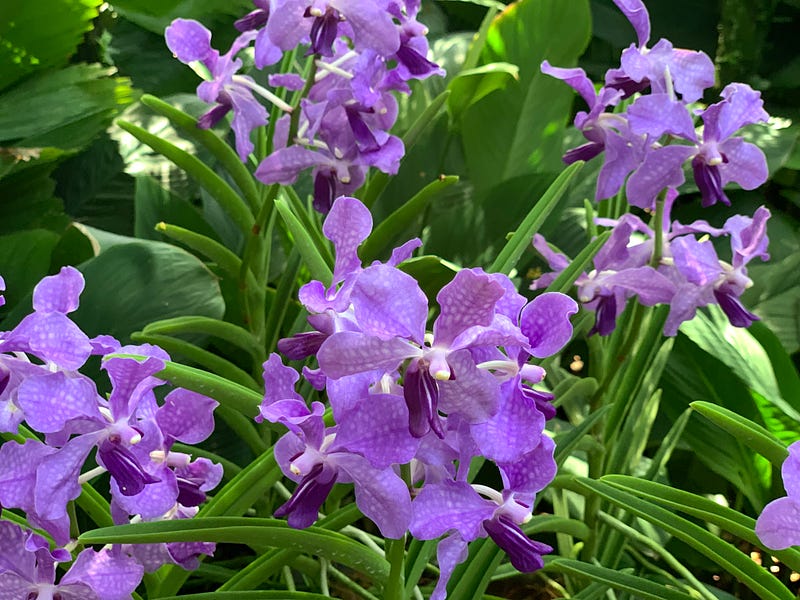
This orchid is named after His Excellency Ban Ki-moon, Secretary-General of the United Nations, and Mrs. Ban Soon -Taek on the occasion of their visit to the National Orchid Garden on 23 March 2012.
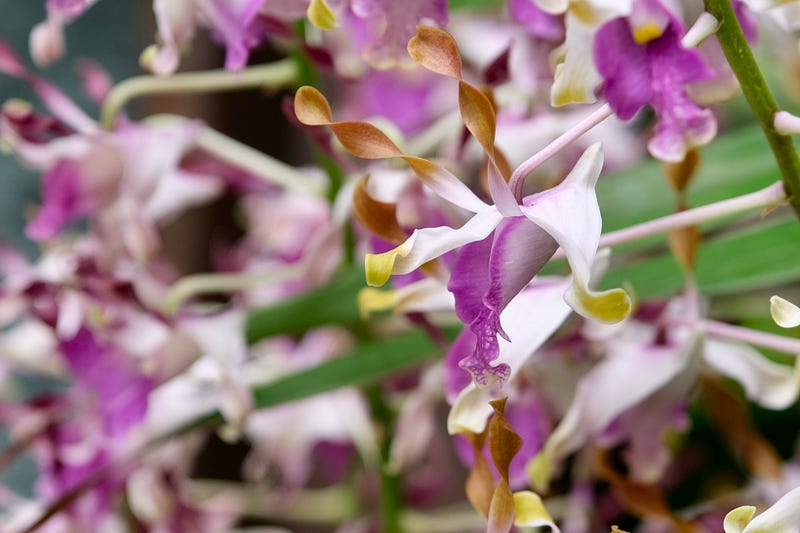
This orchid is named after His Excellency Narendra Modi, Prime Minister of the Republic of India on the occasion of this visit to the National Garden on 2 June 2018.
This orchid is named after His Excellency Sukhbaatar Batbold, Prime Minister of Mongolia, and Mdm Khorloo Otgontuya on the occasion of their visit to the National Orchid Garden on 17 February 2011.
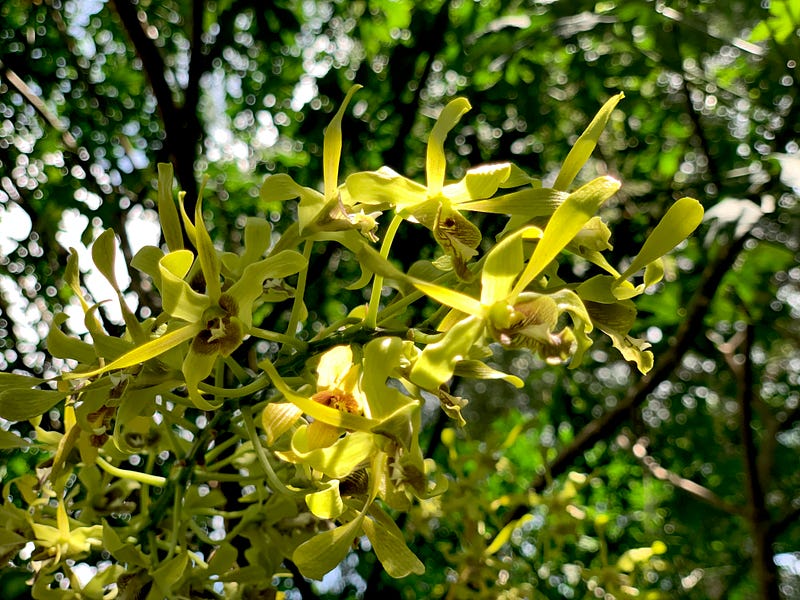
This orchid is named after Queen Elizabeth II of the United Kingdom on the occasion of her visit to the Singapore Botanic Garden in 1972.
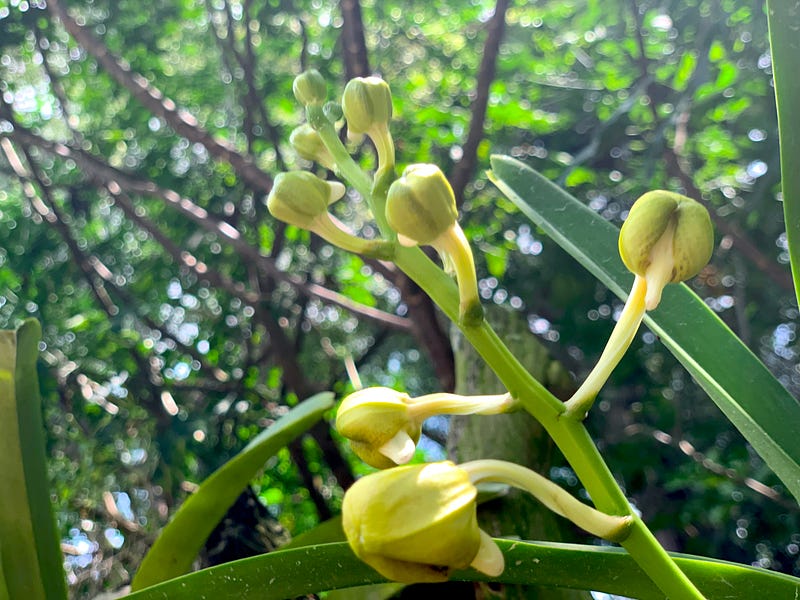
This orchid is named after His Excellency Benigno S. Aguino III, President of the Republic of the Philippines on the occasion of his visit to the National Orchid Garden on 11 March 2011.
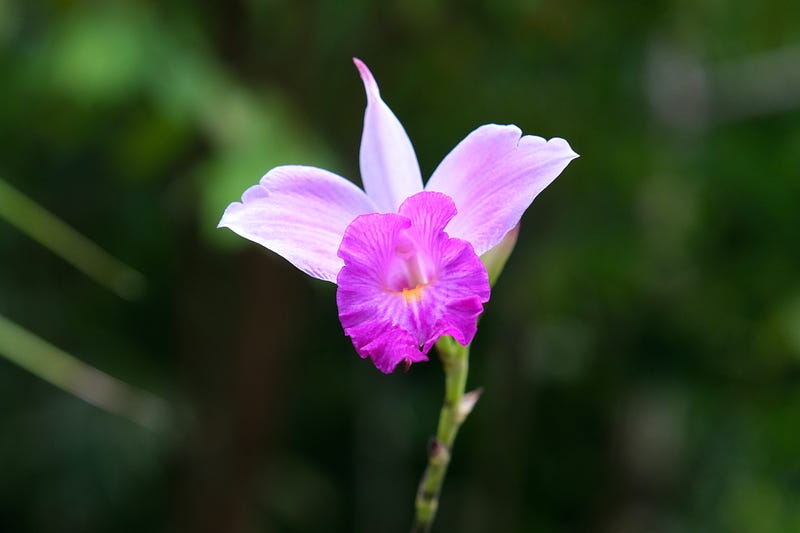
This orchid is named after His Excellency Serzh Sargsyan, President of Armenia, on the occasion of his visit to the National Orchid Garden on 28 March 2012.
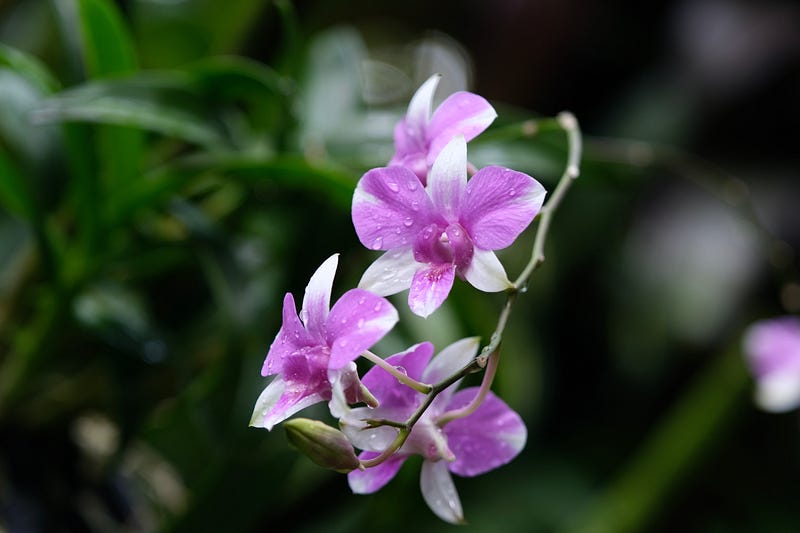
This orchid is named after His Excellency Joaquim Chissano, President of the Republic of Mozambique, and Mrs. Marcelina Chissano on the occasion of their visit to the National Orchid Garden on 27 March 1998.
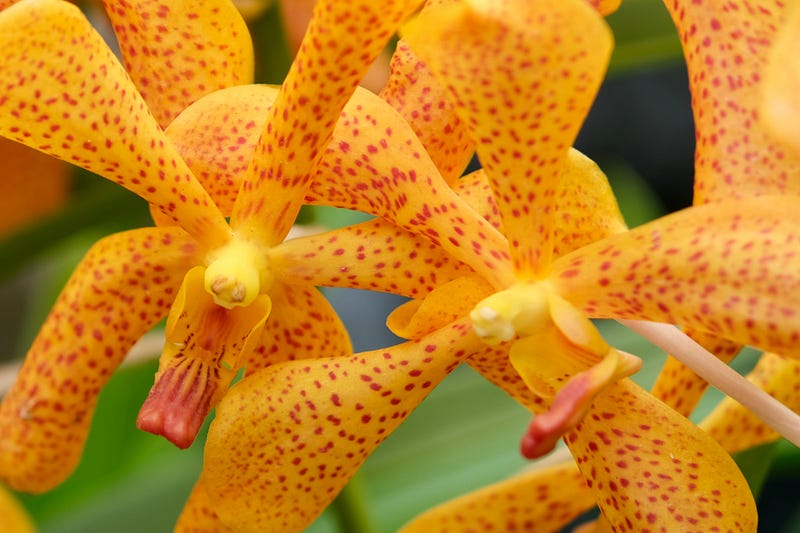
This orchid is named after His Majesty Almu’tasimu Billahi Muhibbudin Tuanku Alhaj Abdul Halim Mu’adzam Shah Ibni Almarhum Sultan Badlishah, The XIV King of Malaysia, and Her Majesty Tuanku Hajah Haminah on the occasion of their visit to the National Orchid Garden on 20 May 2014.
These are some random selection of the images I captured during the visit as some of the orchids wasn’t flowering.
Do you have any VIP Favorite Orchids?
Others Plants and Flowers
Here are some interesting orchids and plants to see
Bromeliads
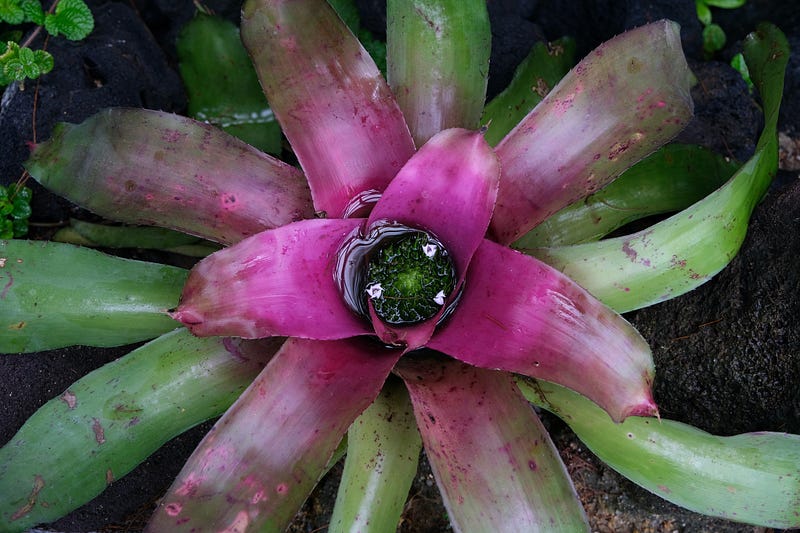
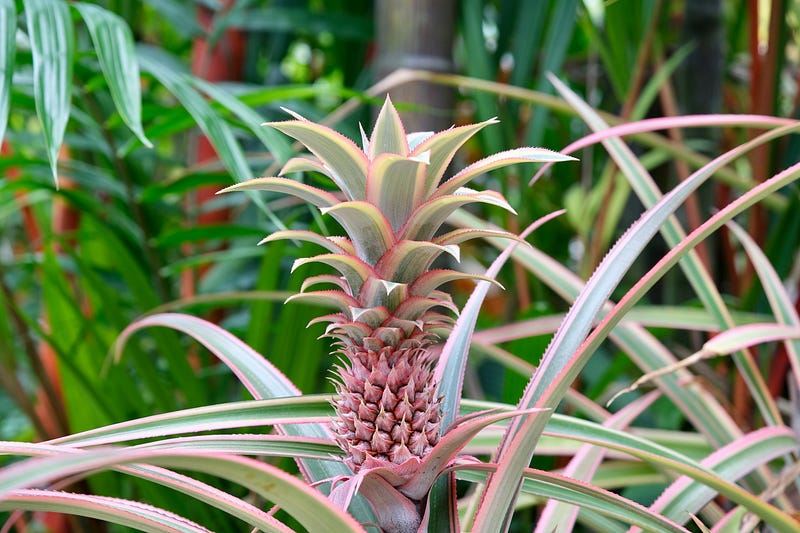
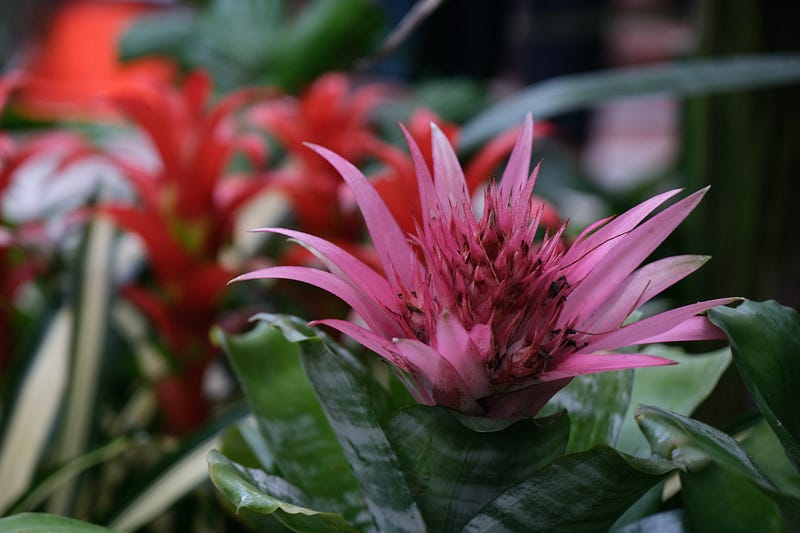
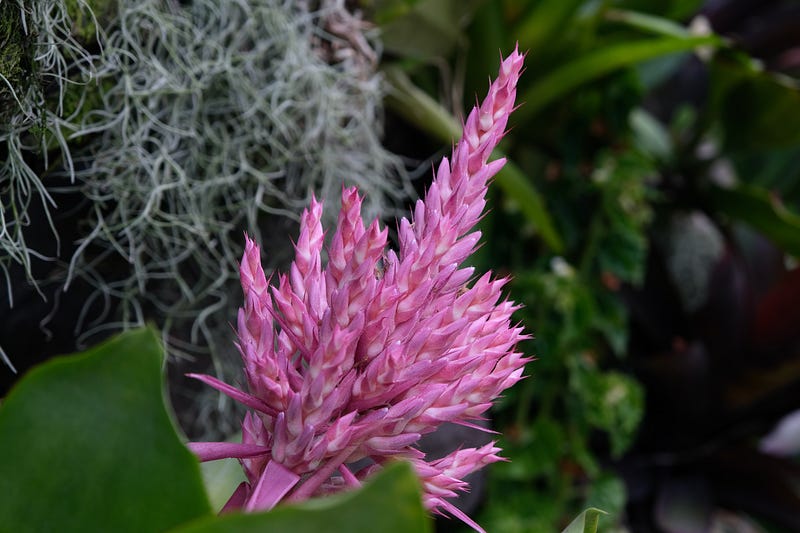
Bromeliads frequently have leaves that overlap in a rosette pattern. This helps to funnel water towards the leaf bases, where it can be absorbed and stored, like in a tank.
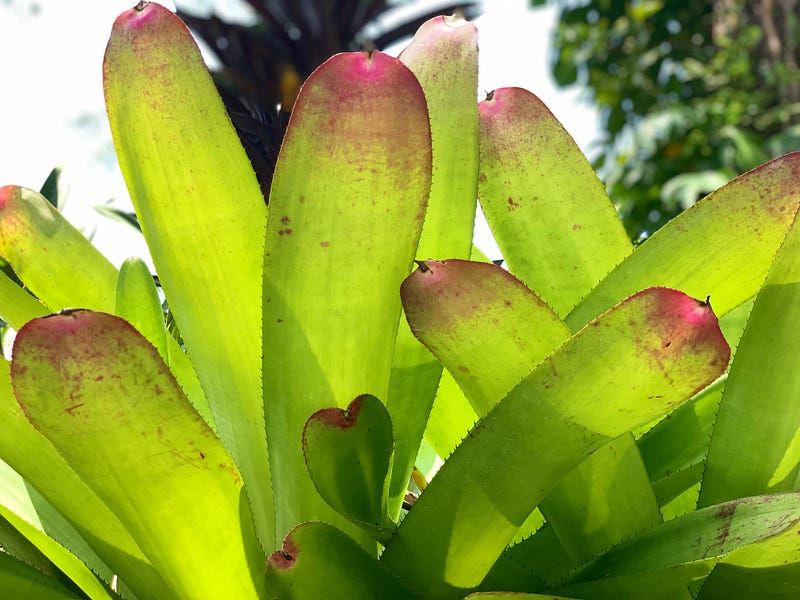
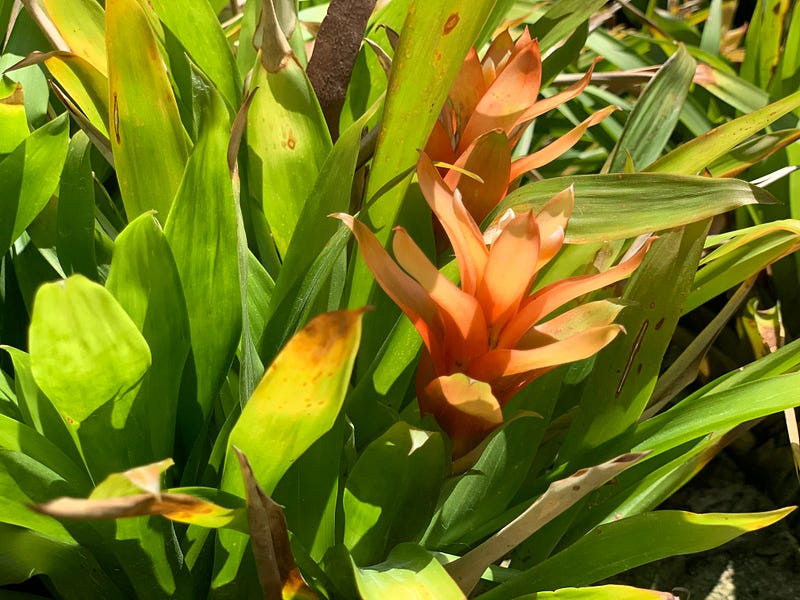
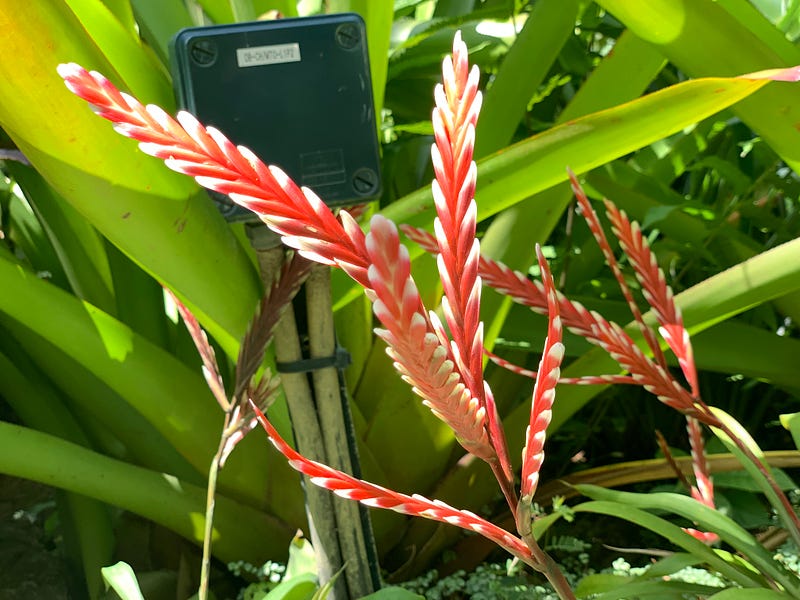
These tanks also serve as refuges and habitats for a range of flora and fauna including algae, insects, and frogs. Bromeliads benefit from decaying plant and animal material accumulating in their rosette tanks, as they can absorb valuable nutrients from it.
Orchid Checkerboard
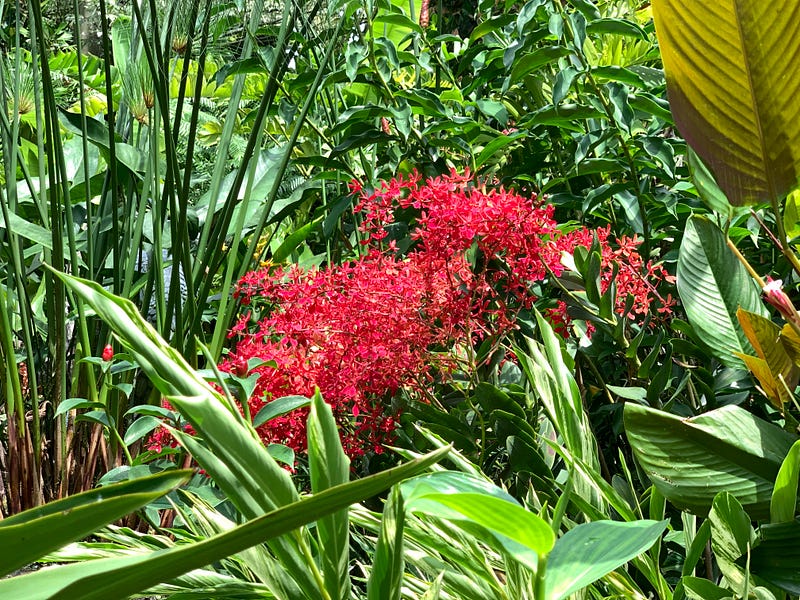
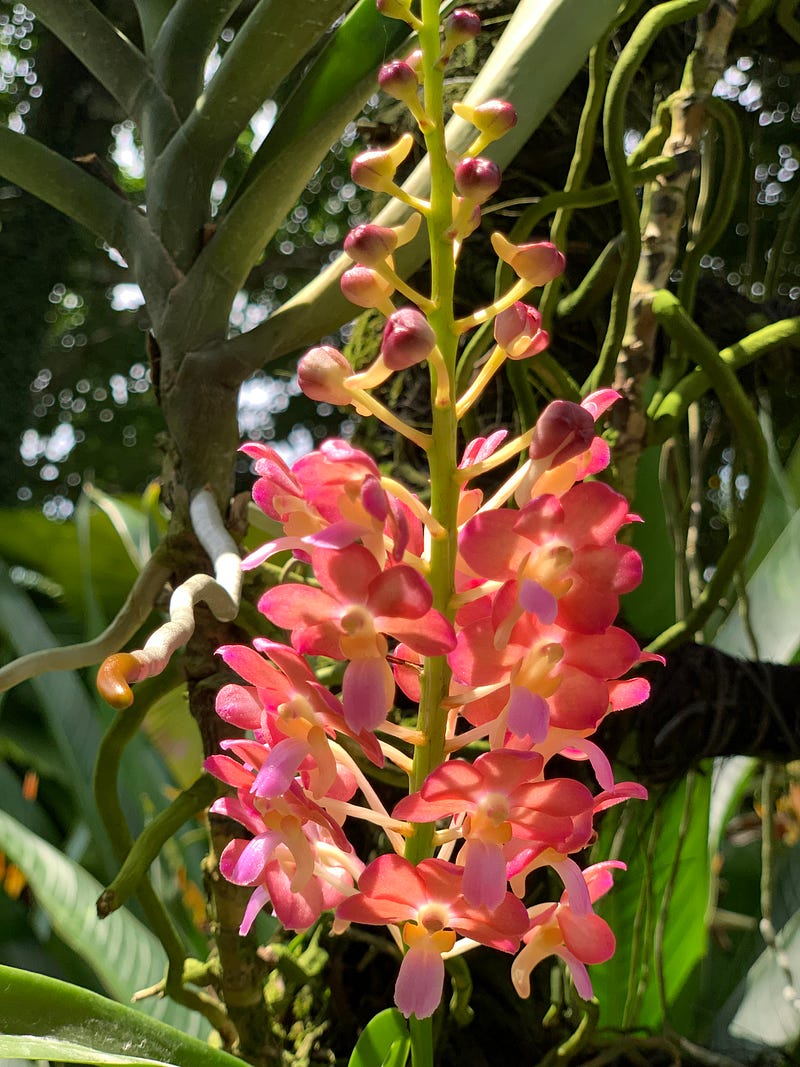
Orchid checkerboard arranged in a manner that resembles an English checkerboard, this display features a variety of Vandeceous species and hybrid genera such as Arachnis, Aranthera, Aranda, Holttumara, and Renantanda.
The Orchid Hybridisation Program in Singapore Botanic Gardens was initiated by Professor Eric Holttum over 80 years ago. On display are some of the hybrids created through the program, many of which have become staples in the orchid cut-flowers industry.
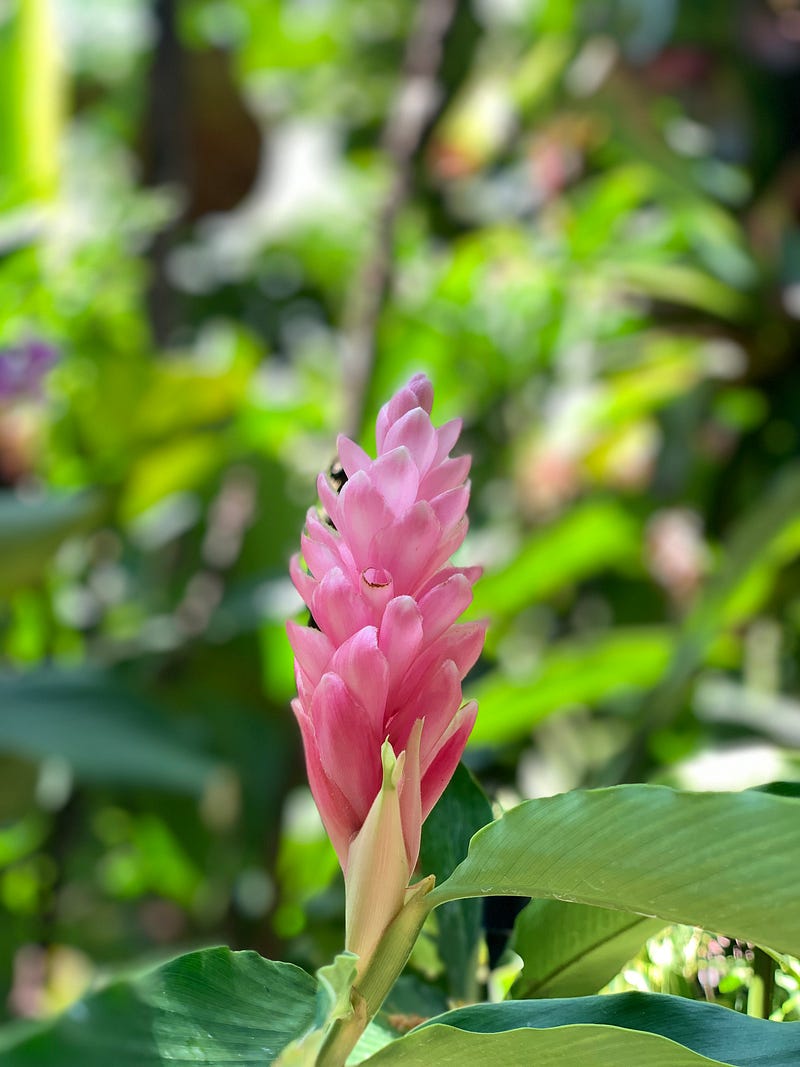
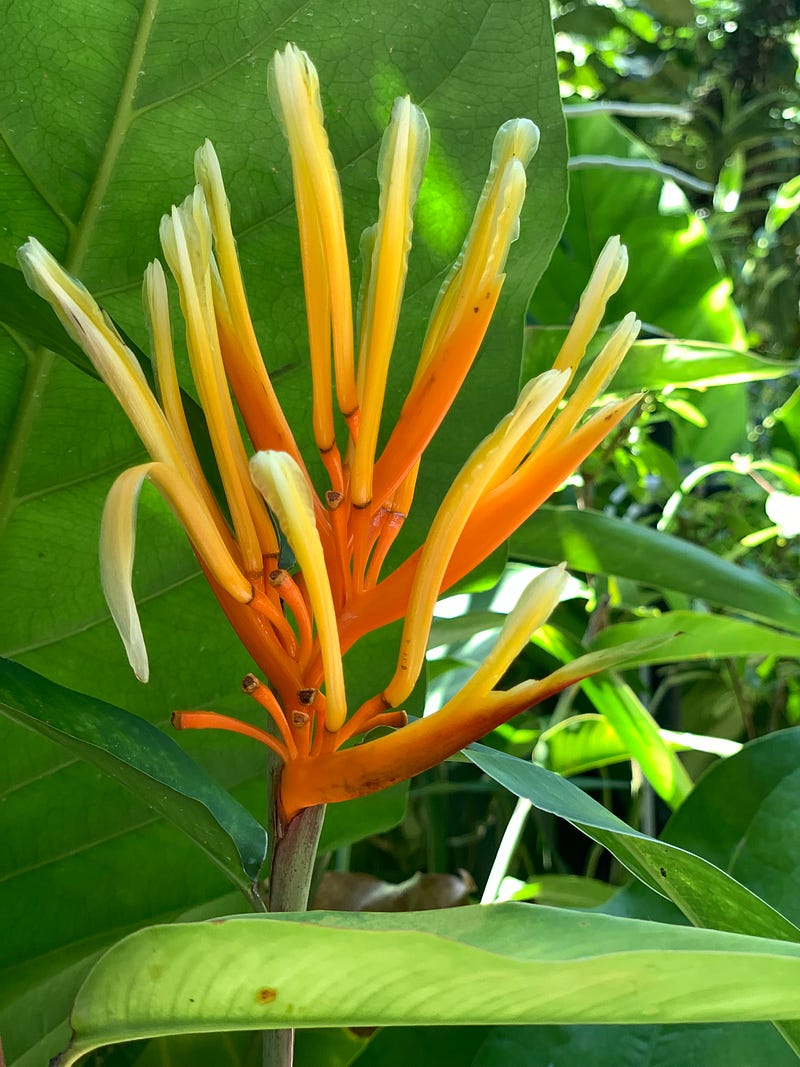
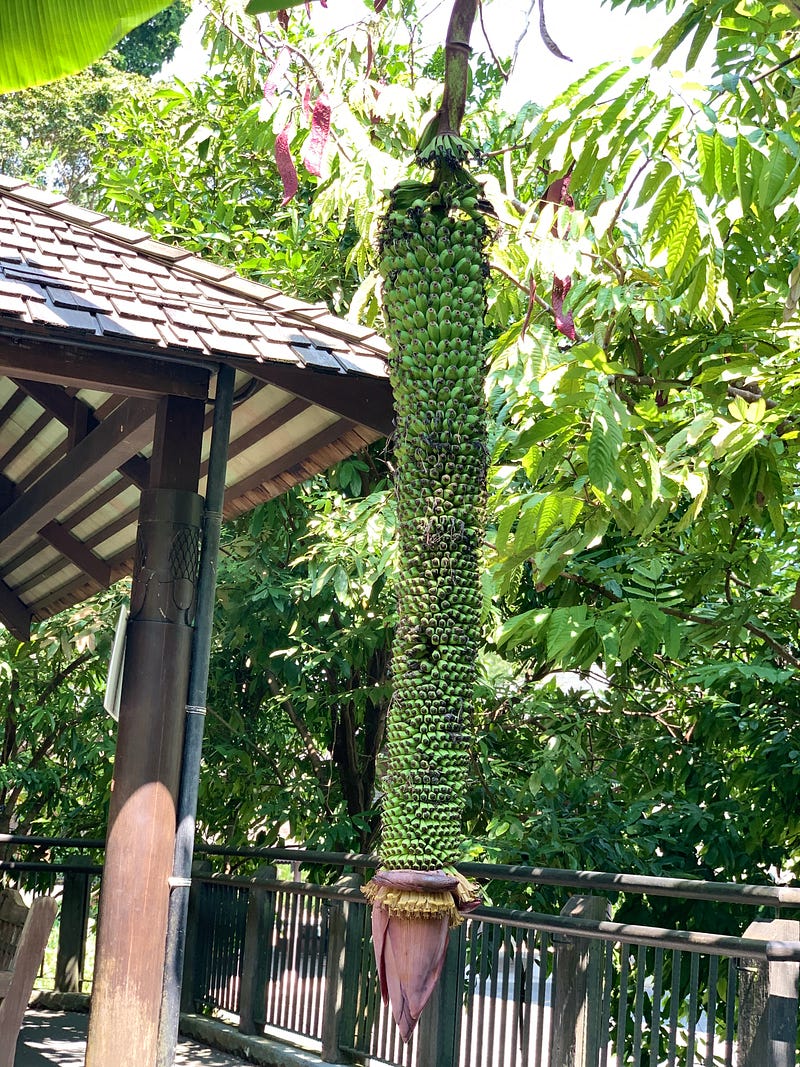
Other Plants
Wrapping up
Definitely, these images you’ve seen were just part of the Botanical Garden. The actual beauty inside the garden is very much interesting when you see the real thing. When travel is permitted, someday, I hope you come to visit Singapore Botanical Garden.
My name is Elvie. Thank you for coming by. I am sharing stories about travel, photography, food, and life experiences. I capture photographs and videos for a living. In my free time, I video blog and post it on my youtube channel. Thank you for connecting and I hope you enjoy my articles as I enjoy yours.
You may like my latest article


