
Signs of Spring, a UNESCO Heritage Site, and Bulgaria’s National Day
Week 9 of my life in photos
After a packed weekend of debates, I’d planned to stay in Burgas for the week, working from my rental and exploring the area. I wanted to maximize this first visit to the Bulgarian seaside in over three decades.
On Monday, I woke up early to a cloudy, chilly morning. I had two assignments due before noon, so I focused on them first. After lunch, it was time for my daily walk, and I decided to get back to the Sea Garden with the goal of walking it in its entirety.
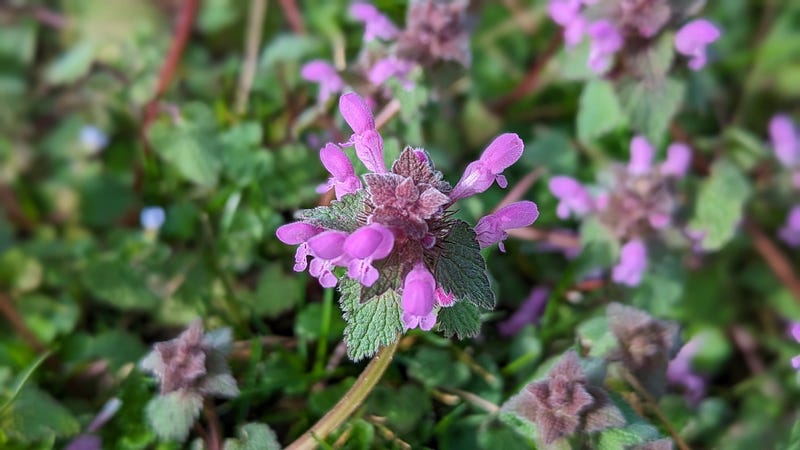
The biting wind screamed winter, but the blossoms and flowers I came across announced that spring is coming. No surprise, considering the warmer-than-ever winter we’ve had.
A field of Easter flowers (великденчета) caught my attention, and I had to stop and take a few photos. I’m not sure what the formal name of this wildflower is, but I’ve always known it as Easter Flower because it makes an appearance in the weeks leading up to the spring holiday.
Orthodox Easter is on May 5th this year, so that’s all you need to know about the kind of winter we’ve been having.
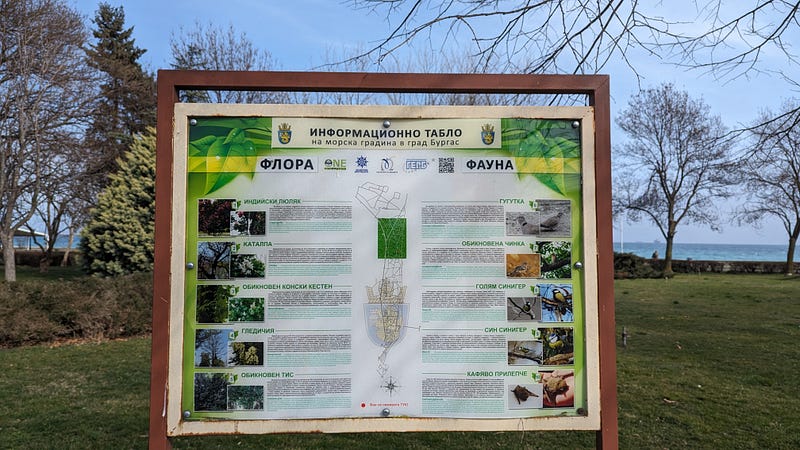
As I walked around the Sea Garden, I enjoyed checking out the educational boards with information about the plants and birds found in the park. I spotted quite a few of the featured birds, but I absolutely failed at capturing any of them. I need to step up my birding game!
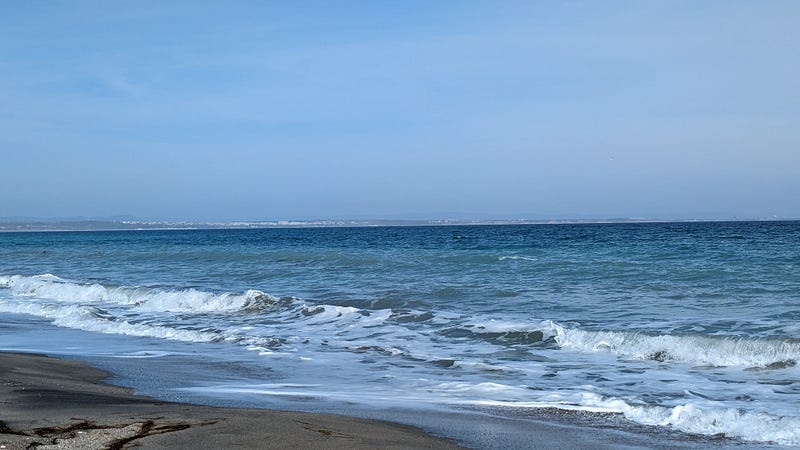
Of course, I couldn’t get back to work without a short walk on the beach, so despite feeling rather cold (I didn’t bring my winter jacket on this trip…), I spent a few minutes listening to the waves. I definitely get why people love the beach; I just don’t think I’ll enjoy it in the summer when it’s crowded.
I had no coaching appointments or tutoring on Tuesday and only one work assignment, so I’d decided that’s the day to take a bus from Burgas to Nessebar, another town on Bulgaria’s Black Sea coast.
According to my weather app, the sun wouldn't show up until after noon, so I started the day working before walking up to the bus station.
My childhood memories of family trips to the Black Sea are mostly fuzzy, but the windmill on the manmade piece of land connecting the new town of Nessebar with the old one has remained clear in my mind. I knew I’d want to see it again during my week in Burgas.
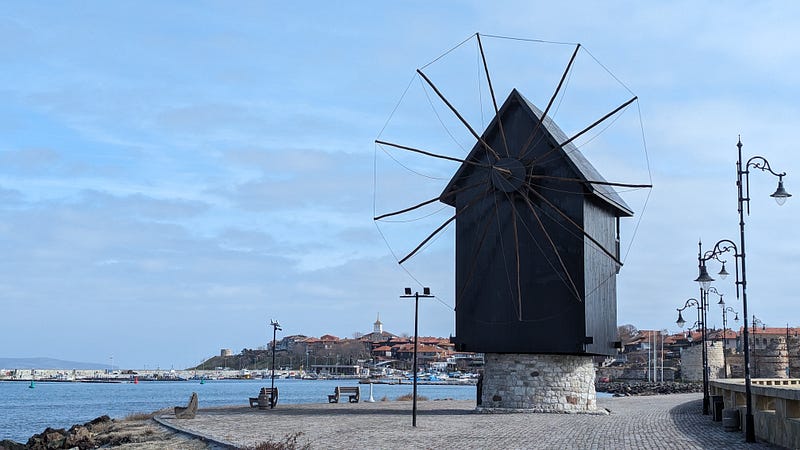
The sun broke through as I disembarked the bus, and the sound of crashing waves welcomed me. Vehicle access to the rocky peninsula is restricted, so after the bus dropped me off at the entrance, I walked along the water, taking in the views before heading into the old town.
At 3,000 years old, the tiny historic town features quite a few ruins, many of which are churches and basilicas. Because of the many ancient buildings, UNESCO added it to its World Heritage Sites in 1983.
I’m planning to write a longer article about my visit to the town — and share more of the hundreds of photos I took. The struggle between being out and about exploring and finding the time to sit down and write about my explorations is real!
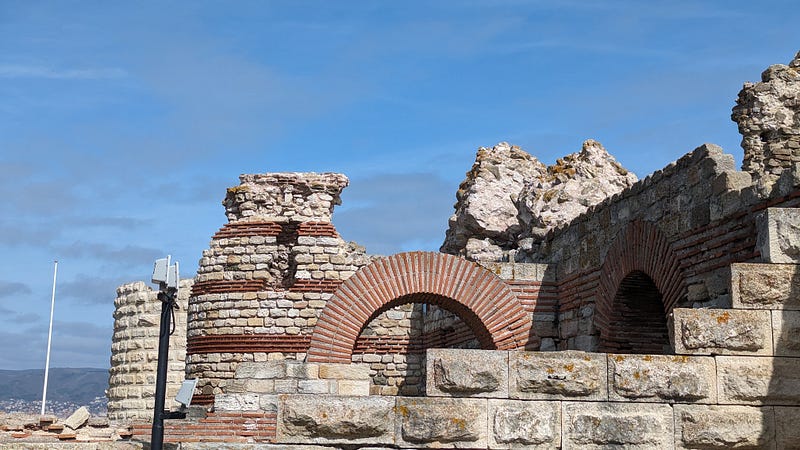
I spent the rest of the afternoon wandering around the old town, often being the only person making my way through the maze of cobblestone streets.
Just the way I like it.
One downside of visiting a summer destination in the winter is the fact that most shops and restaurants are closed. Lucky for me, the one closer to the entrance remains open even in winter, so I was able to grab lunch. I always have snacks when I travel, but I needed something more filling to make it through the hours of walking, which I knew I’d be doing.
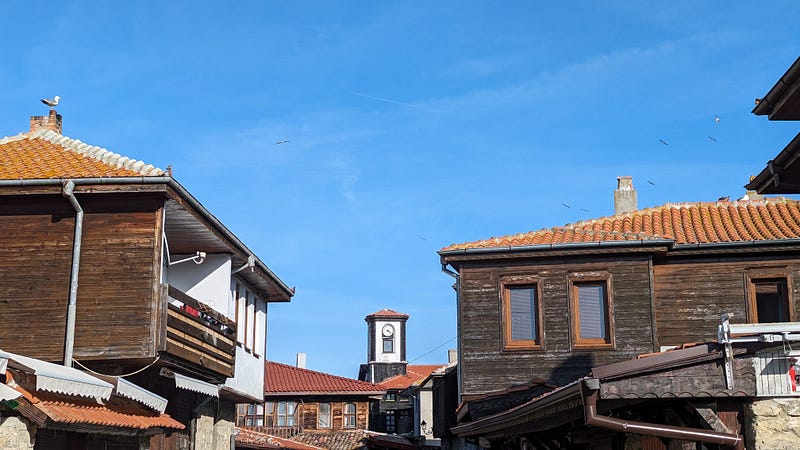
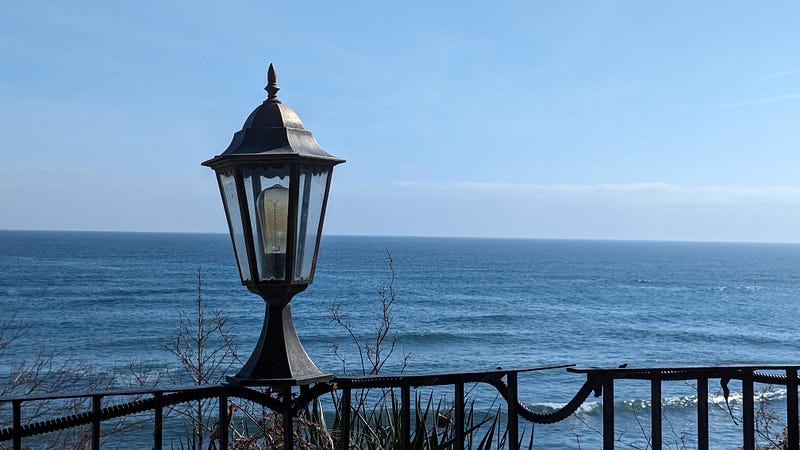
I’m pretty certain I walked down every street and alley. The peninsula isn’t big — about 800m x 300m — and aside from the inner streets, there’s a path going around by the water, so I made sure to do that as well before leaving. Wind or no wind, the views of the Black Sea are gorgeous.
Needless to say, I felt tired — but the good kind of tired — and after hopping on the bus and getting back to Burgas, I worked for a couple of hours, then read my book and called it a night.
When I woke up on Wednesday and looked out the window, I knew I had made the right choice to travel to Nessebar on Tuesday. Thick fog enveloped the entire city of Burgas and pretty much stuck around for the remainder of my stay in the city.
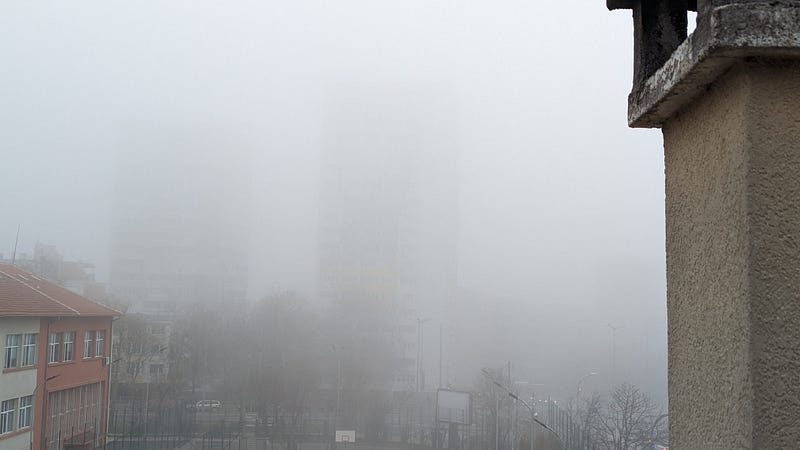
Of course, that didn’t stop me from heading out for a daily walk and a bit of exploration in between work assignments.
I started with a visit to the house-museum of Petya Dubarova, a Bulgarian poet who lived in Burgas during her short 17 years of life. On December 3, 1979, a few months shy of her eighteenth birthday, Dubarova died by suicide, her death birthing plenty of rumors as to who or what was responsible. Unrequited love or the disillusion with a cultural and political context that embraced falsehood and uniformity, we will never know.
What we do know is that her over 200 poems, all focused on nature, human or otherwise — with themes like the sea, the four seasons, the rain, love, and suffering — have solidified her place as a respected Bulgarian poet.
The house-museum and her statue in the Sea Garden clearly show that her native Burgas wants her to be remembered.
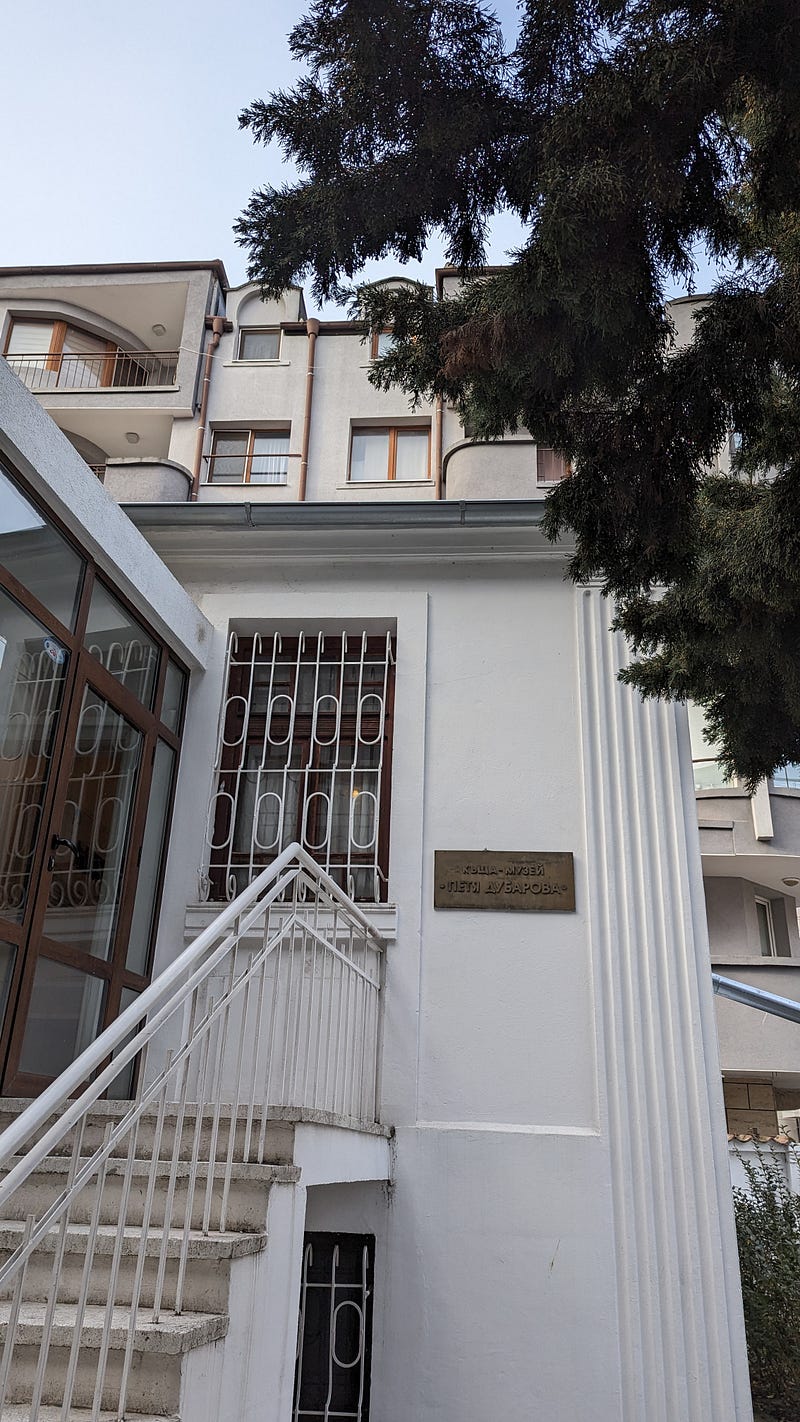
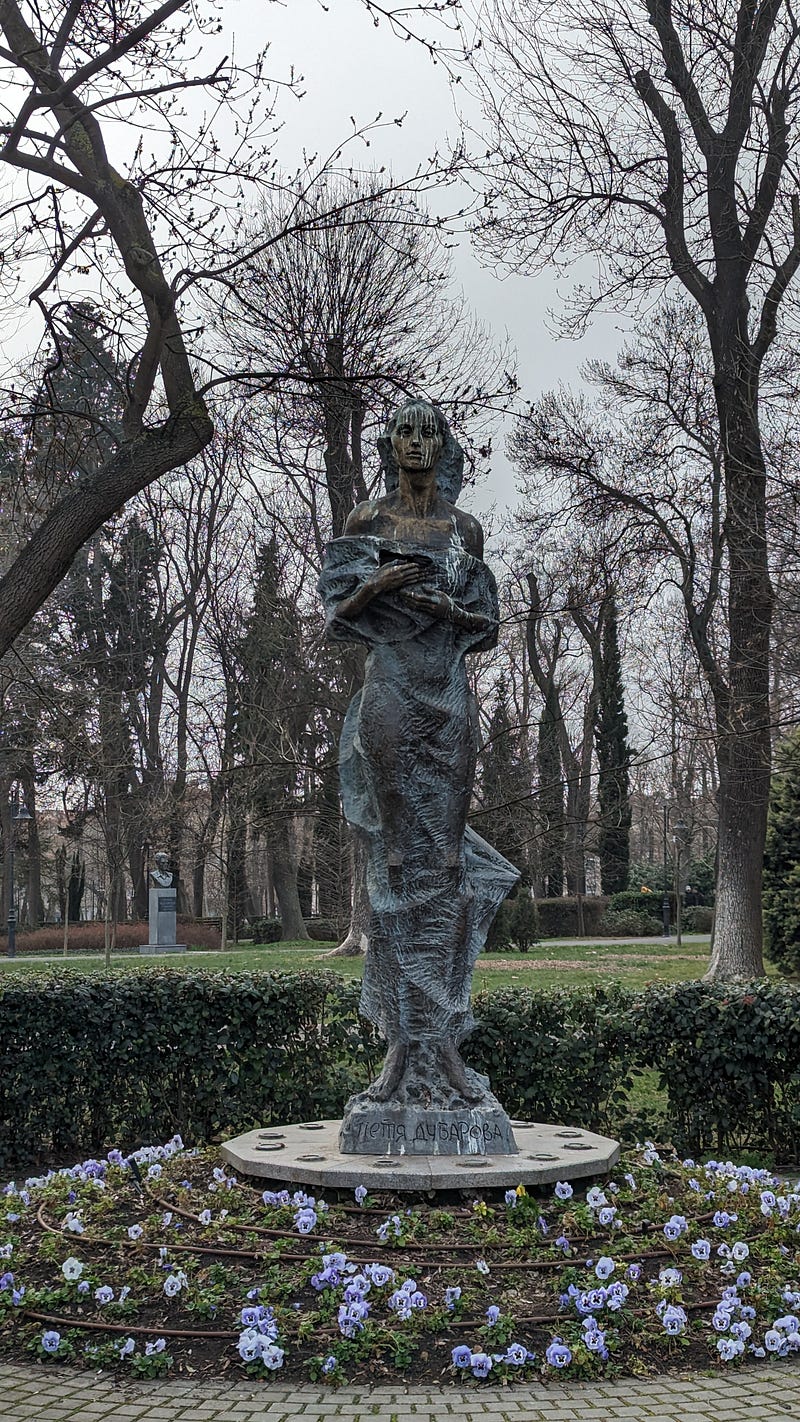
After the museum visit and a walk around the city center, I had my obligatory walk by the sea. I’d have loved to sit on a bench, reading my book and listening to the waves, but it was a bit too cold to do so, and I went back to the rental, focusing on work for the rest of the day.
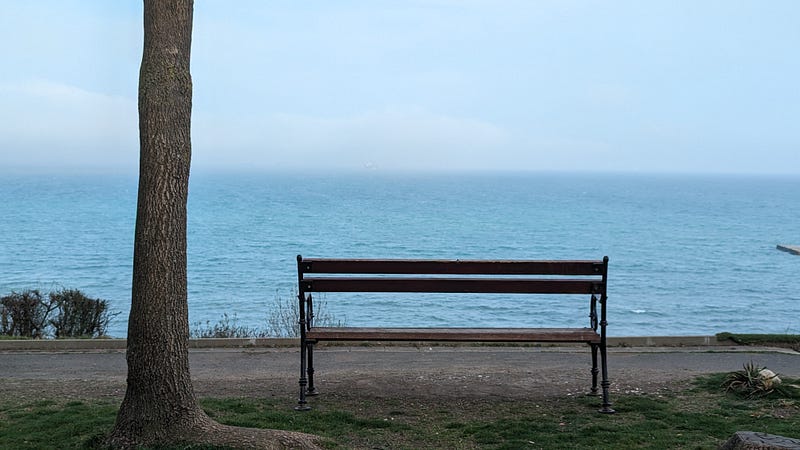
On Thursday, my last day in Burgas, I took it easy. It helped that I only had one work assignment and an hour of tutoring. I stayed in bed later than usual, finishing a book I was reading and spending 30 minutes learning Spanish on Duolingo.
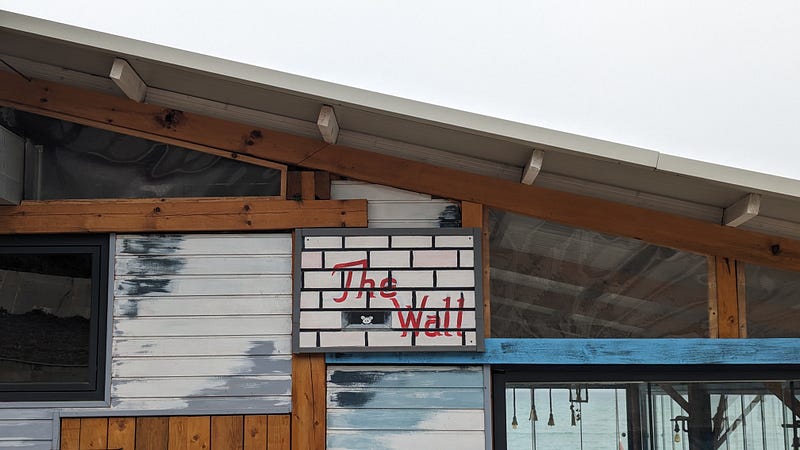
Later, I cleared a bunch of emails from my students, spent some time reading on Medium and writing an article about Baba Marta Day, and looked through my photos, selecting the ones to potentially include in this photo essay. It reminded me it’s been a while since I’d organized my photos, so I’ll need to devote time to that soon.
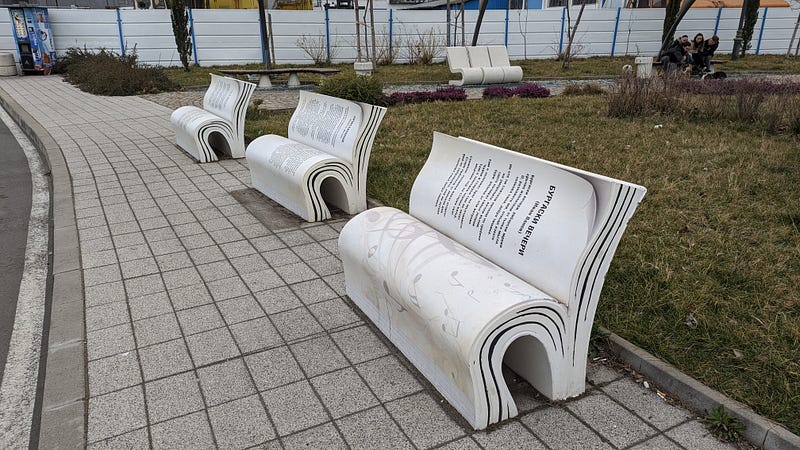
In the late afternoon, I went out for a last walk by the Black Sea, choosing a different entry point to the beach and coming across those lovely book benches. How amazing are those? Turns out there are quite a few of them around Burgas, so now next time I’m in the city, I’m going to find them all.
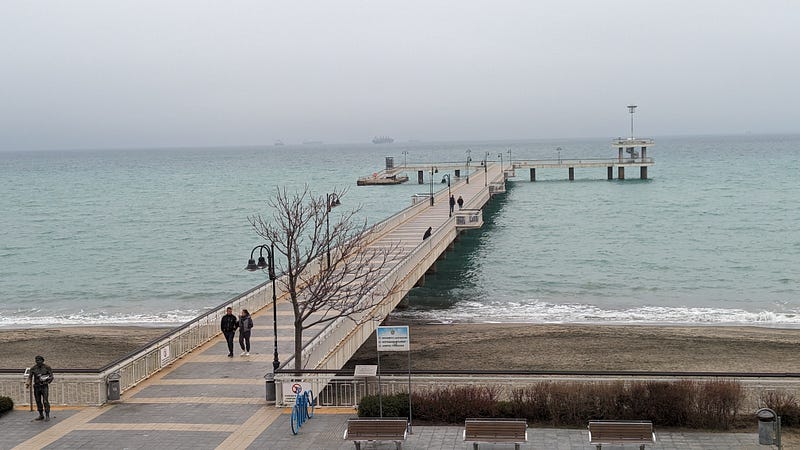
I then made it to the pier with an overlook but didn’t stay for too long because the cold wind winded at me a bit too adamantly.
I spent the rest of the evening packing and finishing a work assignment.
I had an early start on Friday, leaving the rental at 6:30 am to walk to the train station and catch the 7:10 am train to Plovdiv.
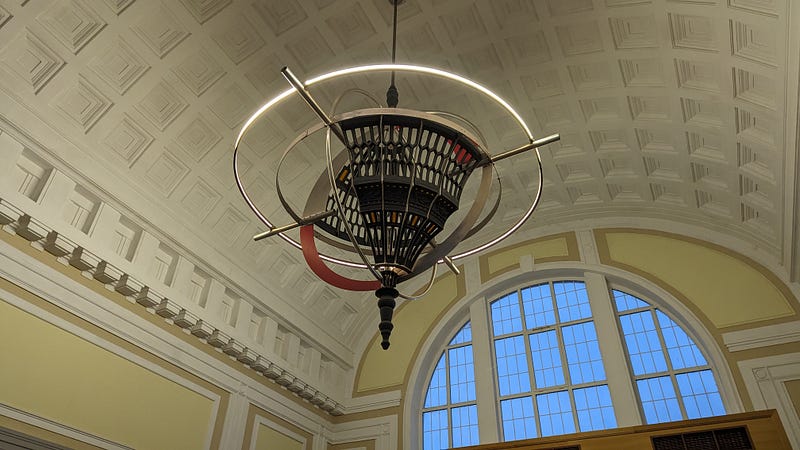
Armed with several episodes of my favorite podcasts, I felt ready for the nearly 5-hour ride, but I only listened to 2 or 3 episodes before dosing off.
I arrived in Plovdiv around noon, and after dropping off my stuff in the apartment, making myself a sandwich for lunch, and finishing a quick assignment, I went out for a walk in the light rain. As I climbed the steps to the pedestrian bridge, I noticed that in the week I’d been gone, the trees along the Maritsa River had all greened out.
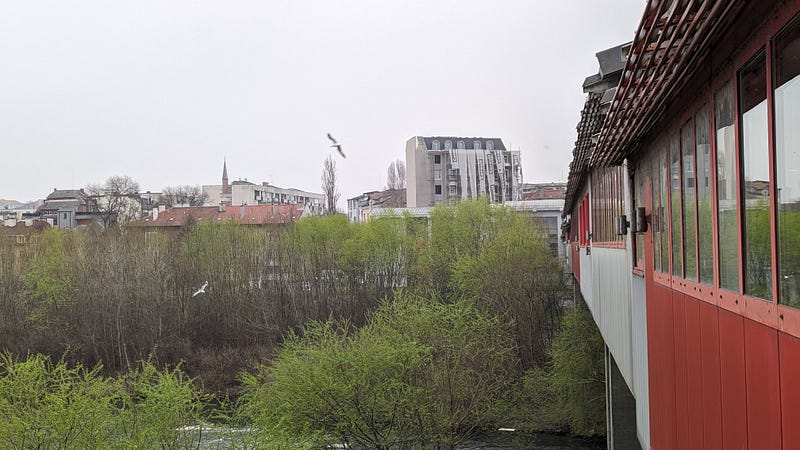
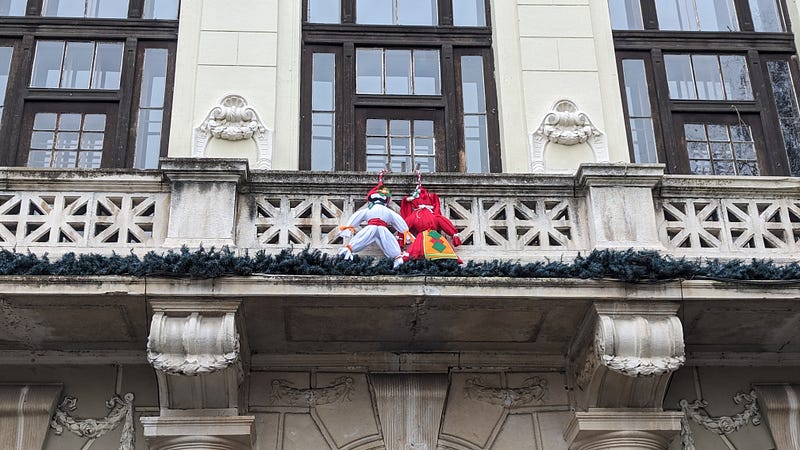
Friday, March 1st, was also Baba Marta Day in Bulgaria, and I enjoyed spotting the decorations around the city center. If you’d like to learn more about this holiday, I wrote an article about it for In Living Color.
After returning from my walk, I finished and submitted that article, had two coaching appointments in the evening, and called it a day.
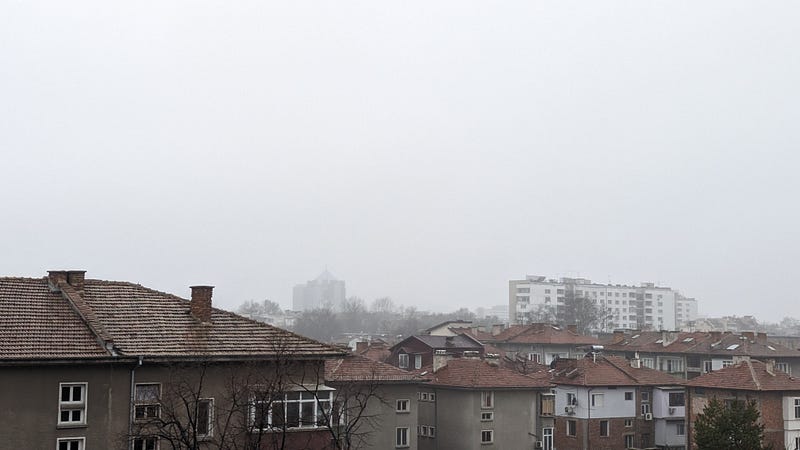
Saturday was my quietest and most relaxing day of the week. The drizzle from the day before had turned into rain and fog, obscuring my lovely view of the Rhodope Mountains. The area desperately needs rain, though, so I was thrilled to greet the precipitation. I even enjoyed my walk to the bus station in the rain.
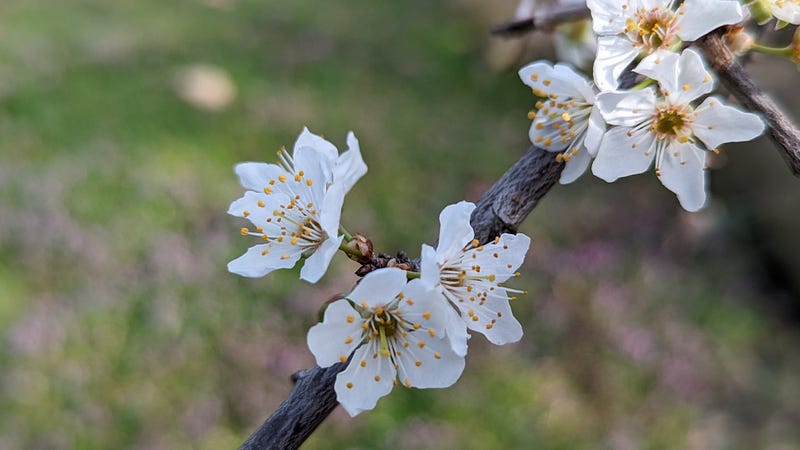
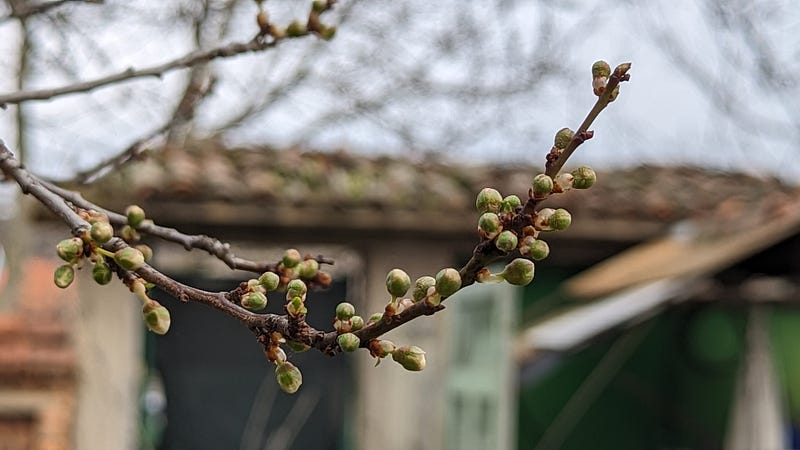
After I made it to my parents’ house in the countryside, I pretty much spent the rest of the day by the fire, reading and writing (in fact, working on this exact article). I only ventured out into the yard for a snapshot of the budding plum tree. Spring is definitely coming.
March 3rd, Sunday, happens to be another Bulgarian holiday, the biggest in fact — Bulgaria’s National Day or Liberation Day, the day that marks Bulgaria’s independence from Ottoman rule.
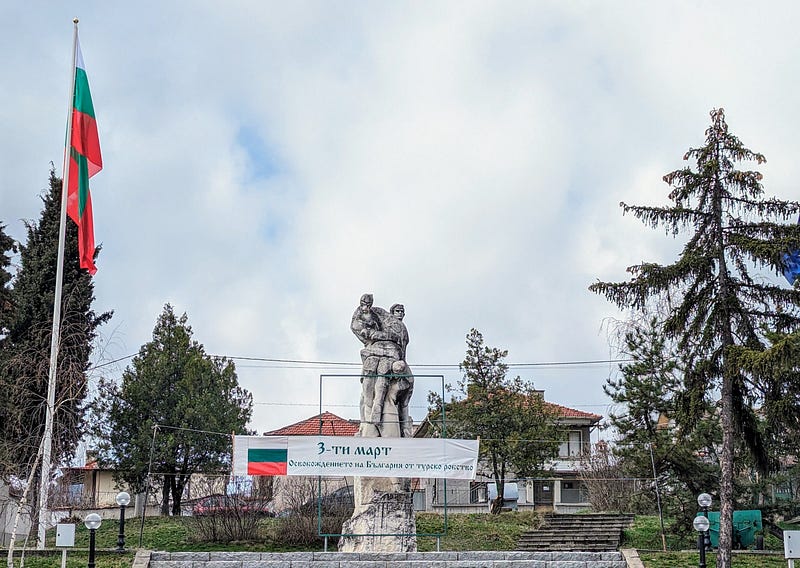
Many towns and cities across the country plan celebrations, and after I spent the morning reading and writing, I joined a friend for a drive to Strelcha, a town nestled in the Sredna Gora Mountain.
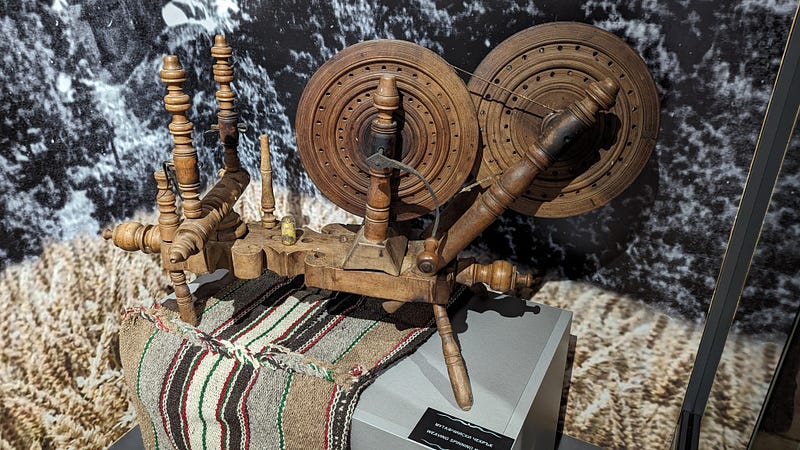
There, we visited the town’s history museum, which boasts a few different exhibits narrating life in the region from its first inhabitants to the years after Bulgaria’s liberation in 1878.
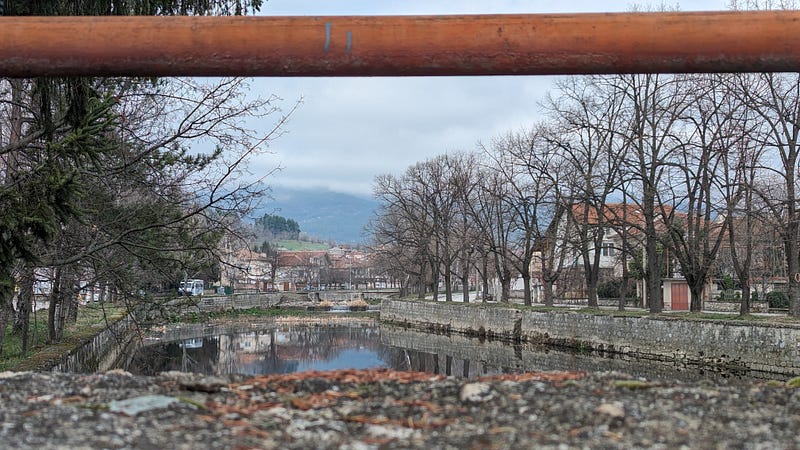
And we also enjoyed a lovely walk on what felt like a beautiful spring day.
I’m now finishing this article and look forward to spending a quiet evening reading my book by the fire.
This photo essay is inspired by the works of Dennett and Anne Bonfert. Anyone can join the challenge, and I highly recommend it!


