
Shigeaki Hinohara: Secrets Of Well-Being And Longevity From The Centuries-Old Japanese Doctor
What are the secrets of longevity? Which small changes in our lifestyle can prevent or delay almost 50% of annual deaths?
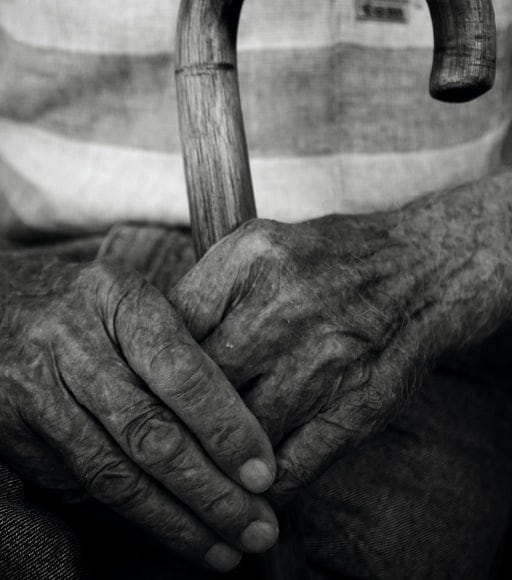
Scientific research shows that hormonal disorders, lack of hormonal exercise, smoking, and alcohol undermine human health and longevity. Potentially modifiable behaviors that contribute to mortality also include a weakened immune system, exposure to toxic agents, the use of weapons, opportunistic sexual behavior, car accidents, and excessive use of addictive substances.
What do we gain by quitting smoking?
From 2 to 8 years of quality life, depending on how much and for how long we smoked: 41% reduction in mortality in men who quit and twice the mortality rate in smokers compared to the general population. Things are more “black” for smokers. In particular, one “female” cigarette equals four “male” cigarettes in terms of consequences. More and more women who smoke today will hear at some point in their lives that they have cancer, far more than 38 out of 100, which is the current rate.
What are the daily habits that will help us live more and better?
So what are these lifestyle characteristics that help longevity and are emphasized by the centuries-old?
Low body weight
Centenarians are thin, especially men, obesity is rare.
Satisfactory mental function
…30% of centenarians do not show any mental dysfunction…
No smoking
A history of smoking is rare.
Balanced diet
Most of them eat lightly, consuming relatively little meat (80% occasionally drink alcohol).
Quality sleep
Most people sleep extremely well for about eight hours.
Absence of diseases or a few diseases
Few report many diseases.
Other features
- Most centenarians have grown up in large families and live in the countryside, in a cool climate.
- The majority choose a positive social environment (family support, socialization).
- They live in families with solidarity and support for self-esteem.
- They are married at a higher rate than the average.
- Centuries-old benefit from a higher income and belong to a higher social stratum.
- High measurable intelligence.
- Higher education.
- An extremely stubborn character with strong willpower.
- Optimism and a positive attitude towards life: expect to have good health as a normal state in the future.
- Healthy lifestyle: follow the natural cycles of day and night throughout the year.
- Avoid drugs, alcohol, smoking.
- Calmly dealing with stressful situations: physical activity, avoiding exhaustion, single-phase behavior, prayer, a long walk at the end of the day, play for relaxation.
- They laugh easily, they have humor.
- They face a problem, instead of giving up and losing the power of will.
- They have more intense sexual activity and more liberal views on sexuality.
- They show a strong preference for regular work, which reserves a pleasant routine, relatively stress-free.
- Quality work: focus on quality instead of quantity or speed of execution.
- They tend to divide their work into relatively short-lived parts that can be easily achieved.
- They work on one important big project at a time.
- They seldom impose time limits and deadlines on themselves.
- They do not retire: they continue to work, often doing other work.

Typical in this case is the example of the centuries-old physician Shigeaki Hinohara, who laid the foundations of modern medicine in his country and contributed to making Japan the country with the greatest longevity. He reached the age of 105.
Hinohara’s main advice was to delay people’s retirement as much as possible. He justified his claim, commenting that the retirement age had always been set at 65, for the simple reason that the average life expectancy was 68 years. Nowadays, however, it reaches 84 years in Japan (80 years in Greece), which means that people should not stop working so early.
Hinohara’s secrets of well-being and longevity
Here are some of Hinohara’s statements that reflect his worldview on well-being and consequently longevity.
“I climb two stairs together to move my muscles”.
“Life is about giving. I have an incredible need to help people, to wake up early in the morning and do something wonderful for others. That is what guides me and keeps me alive. “
“I always have in mind the goals of today, tomorrow, and the next five years.”

“We all remember that as children when we had a good time, we often forgot to eat or sleep. I believe that we can maintain this behavior as adults. It is better not to tire our bodies with so many rules, such as lunch and bedtime.
“For breakfast, I drink coffee, a glass of milk, and a little orange juice along with a spoonful of olive oil. Olive oil is amazing for my arteries and keeps my skin youthful. My lunch is milk with some cookies or nothing when I am too busy to eat. I am never hungry because I focus on my job. “Dinner is vegetables, some fish with rice, and twice a week 100g of lean meat.”
“Do not blindly follow what your doctor says. When your doctor advises you to have an examination or surgery, ask if he would suggest to his wife or children to do the same operation. Contrary to many people’s beliefs, doctors cannot cure everything. So why cause unnecessary pain with surgery? “I think music and animal therapy can help more than doctors can imagine.”
“Pain is mysterious and having fun is the best way to forget it. If a child has a toothache and you start playing a game with him, then he immediately forgets the pain. Hospitals need to take care of patients’ basic needs: we all want to have a good time. At St. “Luke, we have music and animal treatments and art lessons.”
RELATED ARTICLES


