
The Art Of Doing “Nothing”!
So is it so difficult to do nothing? Life flows at the speed of light and we are urged to follow these crazy rhythms, counting days and hours till the next coveted weekend.
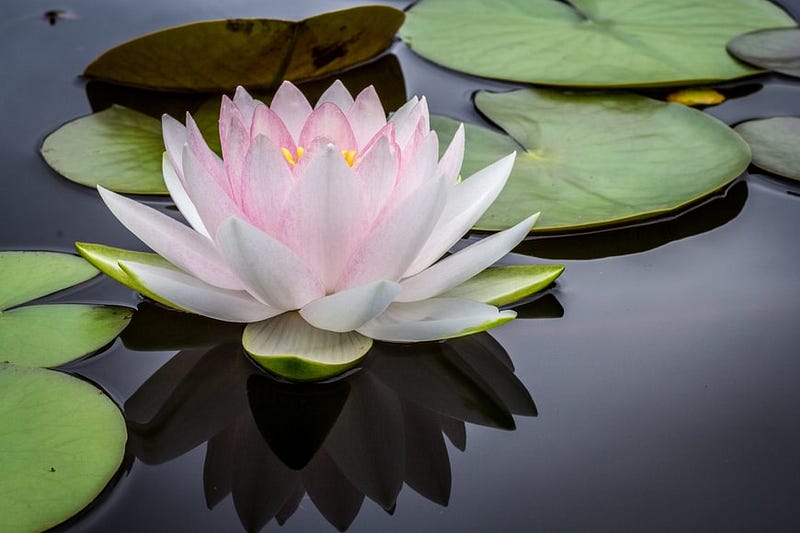
When was the last time we gave ourselves the right to pause? I cannot even remember! Simply because “doing nothing is a waste of time”. Many of us have given a name to this “nothing”, that claims a place in our daily routine. We call it “meditation”, lunch siesta, or even laziness, with all the guilt feelings that accompany this determination.
Sitting down without doing anything is considered by many “a bad omen”. We are asked if we are upset or worried about something, or if we want to talk to someone to find solutions and take drastic measures.
It is noteworthy that we have deprived people around us, but above all is the right to do “nothing”; the right to connect with ourselves.
Many times we encounter the concept of “self-knowledge”, which essentially concerns the acquaintance with oneself and the listening of the internal dialogues that we carry out every day. We judge our thoughts, feelings, and behavior by looking at ourselves through the eyes of others.
But what happens when we do not listen to our inner dialogues, due to lack of free time? Internal conflicts arise and this fact proves that we are not able to accept ourselves and understand how this internal dialogue affects all aspects of our lives.
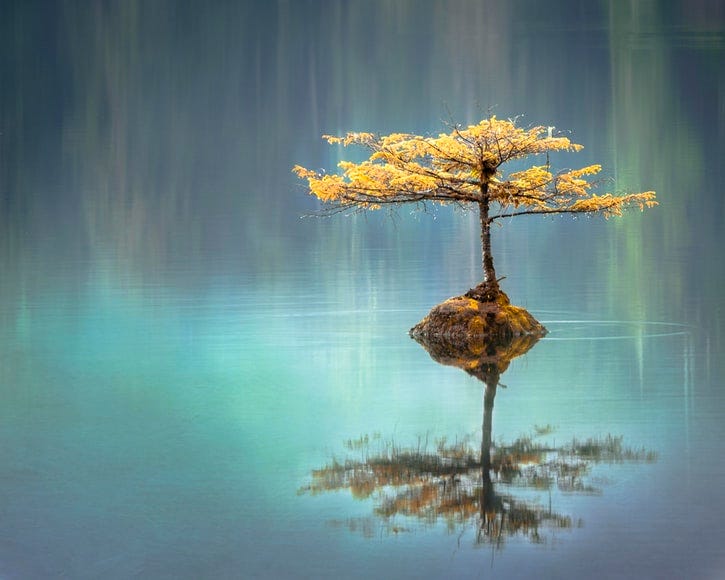
When we allow ourselves to do nothing, it is like listening to our inner voice, our instinct, that we have lost so much nowadays. It is like allowing a loved one to talk to us, to listen to his concerns and "wishes".
The art of “nothing” is not taught by any school, as well as there is no degree to confirm “how much” we possess. We have been carrying the art of “nothing” inside us for a long time.
Listening to our “inside” is an art we have known since we first set foot on this planet; the purpose is to remember. To remember how to listen to ourselves and how to trust them, to remember how to calm down all this noise that prevails in and around us. Remember that the birdsong and the clear water are not heard in big cities.
RELATED ARTICLES


