
Health
Sexism in Cardiac Treatment — Women Face Discrimination Again
Female patients need to be on the alert.
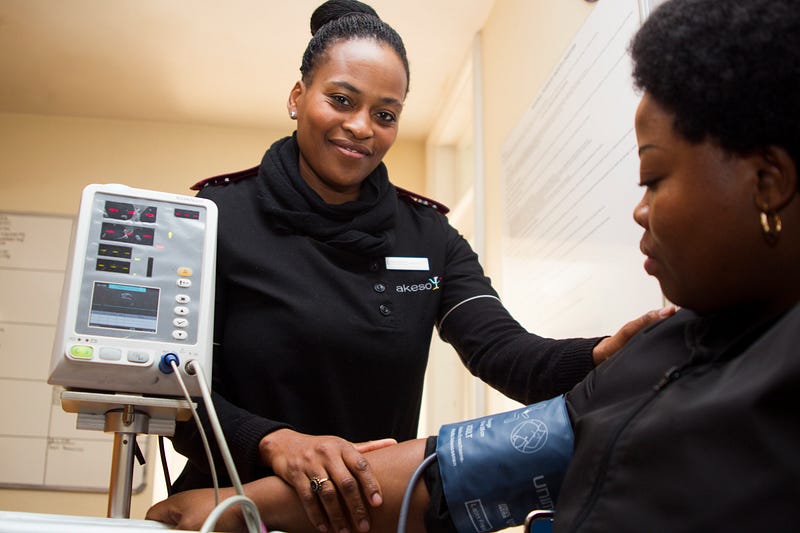
Did you know that there is a widespread belief that heart attacks kill more men than women? This is not true at all! Yet this assumption is seriously affecting how women are treated in preventive and post-cardiac attack situations.
Look at the figures. While the age of a first heart attack is lower in men (65) than women (72), the figures show that there is perfect gender equality for heart disease at work here.
“Heart disease is responsible for one in every three deaths for both sexes and remains the leading cause of death in women as well as men. In fact, since 1984, more women have died of heart disease than men each year, although that is partly because women generally live longer than men.” Harvard Medical School.
According to the CDC showing 2017 figures, heart disease is the main cause of death among African American and white women. No, it is not breast cancer as most people seem to think!
In the UK, heart disease kills twice as many women as breast cancer. The shocking figures show that heart disease is also the number one killer for women.
What does this mean for women?
Martha Gulati is a cardiologist at the University of Arizona College of Medicine. She has written about how this mistaken belief means that men get better treatment than women when it comes to heart disease.
This negatively affects how women are:-
· Screened for heart disease
· Less aware of the risks themselves
· Less likely to get advice about cardiac health than men
When the warning signs of diabetes, high blood pressure, and high cholesterol are present in women, they are 11% less likely to be warned of the very real threat of heart disease!
This was the result of one study published in the Journal of the American College of Cardiology,
“Young women cannot afford to be continually less informed than men about their risk for heart disease.” — Erica Leifheit-Limson, researcher in the study.
Women are more at risk in emergencies.
Again, this false assumption leads to fewer women getting the essential life –saving measures when they get to the emergency department. Men are more likely to get these procedures than women. Men have a better chance of getting stents inserted and arteries unblocked than women.
Figures show that 4.5% of women were more at risk of dying from a heart attack in hospital, compared to about 3% for men.
“Heart attacks have never been more treatable. Yet women are dying needlessly because heart attacks are often seen as a man’s disease, and women don’t receive the same standard of treatment as men,” Dr. Sonya Babu-Narayan, consultant cardiologist and associate medical director at British Heart Foundation.
Women need to be better informed before rather than after such a tragic event.
Many people do not know the following risk factors:-
· Women are more at risk during the menopause or post menopause
· Women tend to have slightly different symptoms from men. These include nausea, sweating, and vomiting.
· Doctors still do not know that many women are more at risk than men, in spite of all the research and figures.
· They may suffer from dizziness, indigestion, and strange fatigue.
· Discomfort in shoulder neck and/or chest
· Arm pain
One story to illustrate the risks for women
Rachel Boothroyd was a lawyer in London. At the age of 37, she asked both her doctor and cardiologist about some symptoms such as unusual and stressful pain in her neck, shoulder, and jaw. They did not tell her to stop swimming so she risked having a heart attack.
Fortunately, that did not happen as she was diagnosed in time. She had a 99% blockage in her main heart artery and was about to have a major heart attack!
“Because I was a woman, no one thought of it. They kept saying, ‘I’m sure there won’t be anything in it.’” — Rachel Boothroyd
How can women better protect their heart health?
First, they can become more aware of the risks they face as outlined above. They can be more alert to certain symptoms but the best action of all is to keep an eye on their general health such as blood sugar levels, blood pressure, cholesterol levels, and diet.
“Buy books. Unlike high-calorie food, they don’t give heart attacks.” ― Tanushree Podder
Best of all, they can dismiss the out of date theories that men are more at risk of having a heart attack than women.
Disclaimer:- I am not a medical doctor. Always seek medical advice for any questions regarding a medical condition.
Additional resources:-
Heart Disease in Women Directory — WebMD
Women with a Heart Condition — British Heart Foundation
Other health stories I have written:-