
KEYWORD STUFFING IS HAZARDOUS TO SEO
SEO: Keywords, Synonyms, & Theme Words
Did you know there is a correlation between keywords, synonyms, and theme words that makes “keyword stuffing” obsolete and hazardous to your search engine optimization (SEO) PageRank on Google and other search engine indexes?
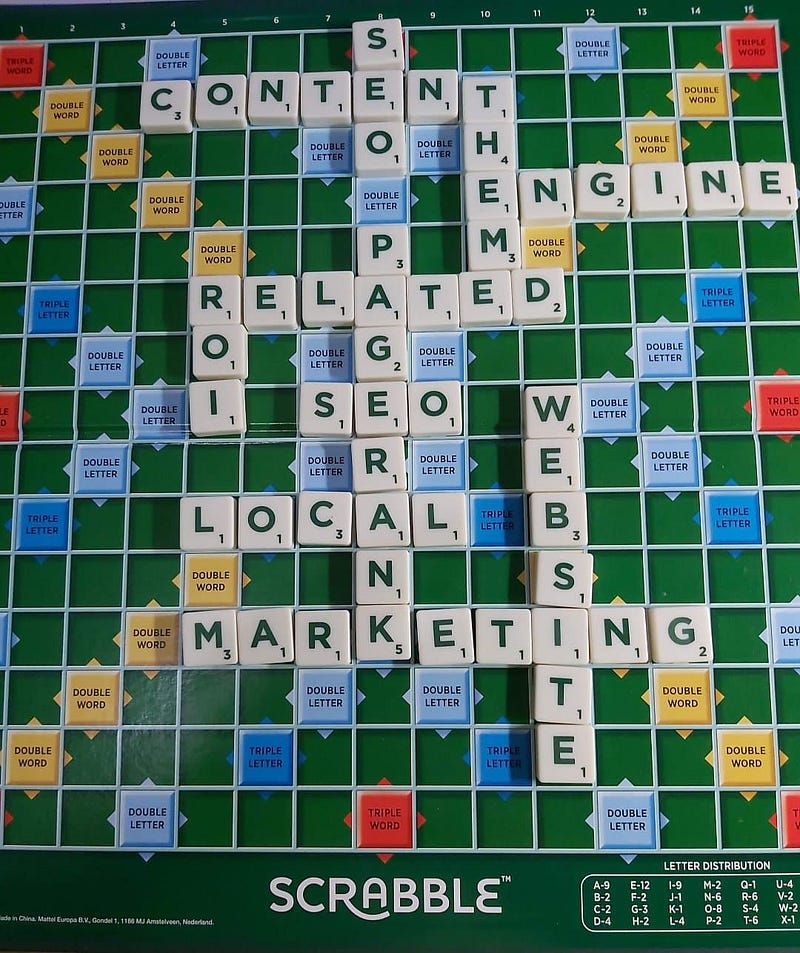
Most writers are familiar with the benefit of keywords, keyword phrases, and long-tail keywords for SEO. However, many are not even knowledgeable about the importance of synonyms. Yet, the Hummingbird algorithm was written and applied to Google’s PageRank strategy nearly seven years ago, in September 2013.
Hummingbird was designed to give searchers accurate answers about the places, people, and the things related to their search without relying on the overuse of keywords.
Yet, even vaguer and less known is the application of theme words within your writing so that Google bots know what your site is about without the overuse of filler keywords and phrases.
What Are Theme Words
“Theme” phrases are two, three, and four-word phrases related to your topic. Of course, some theme words and phrases can fit more than one topic.
For instance, when you discuss diet, several theme word phrases relate to different kinds of diets and medical conditions. The Ketogenic diet, for instance, shares nearly 50 theme words with epilepsy control in young patients. Since a diet rich in Omega-3s, low-carb, high-protein, high-fat diets fit both categories.
All of these terms point to a niche vocabulary that can be applied to epilepsy or the ketogenic diet.
You should put together a list of keywords that apply to your article’s theme. Then, use a Thesaurus to find synonyms for those keywords and sprinkle those lightly into your article. Do not get carried away.
Also, on your website, be sure to use “local SEO” to attract customers and rank your page locally. Local SEO is the practice of using city, county names, and local landmarks that will help the search engine bots point customers to your business. Many web content writers do not realize it is possible to rank locally by using their keyword with city names.
For example, the search phrase “Where can I find great seafood near me?” might trick the bot into thinking you are looking for a seafood restaurant in Maine because the official abbreviation is ME.
How to Apply Synonyms & Theme Words to Your Writing to Enrich SEO
Keyword stuffing is the act of using your keyword or keyword phrase much too often. It would be best if you used it only once per 100 words. Any more than that could hurt your PageRank. With a 500-word article, if you use it once in the title, one subtitle, the first and last paragraph, and within the alt-text of your image, you would be okay as long as you use synonyms and theme word phrases.
I write 40 ghost blogs per month, 20 each, for two traffic ticket attorneys. There are a group of ticket-related words that I use that tell the search bots what my articles are about; these are traffic ticket, traffic fines, pay traffic ticket, pay fine, traffic court, fight traffic ticket, traffic fine check, etc.
There are dozens, and since they want to attract truckers and bus drivers, that group brings in dozens more that apply to commercial drivers and commercial vehicles.
Google Keyword Planner & Others
One of the best tools for keywords, synonyms, and theme words is the Google Keyword Planner. However, this tool is mostly for pay-per-click (PPC) users, and Google wants to make money.
After lots of trial and error, I found that Keyword Finder is an excellent tool. Of course, there are others, like SEMRush, Wordtracker, SERanking, and others you should try before deciding to spend money on keyword planning.
Some might offer a free trial, make sure you cancel before they charge your credit card if you don’t plan to keep it.
If you have more money than time, you could use a Fiverr associate to do keyword research. The price starts at $5.00 and goes up from there, depending on your needs. I would much rather do that than pay a corporate service like Google.
There are no affiliate links within this article.
Takeaways
Use a keyword planner and Thesaurus to find keywords, keyword phrases, synonyms, and theme words to tell the search engine bots what your article is about and where to place it. This can work effectively for Medium articles as well.
More SEO & Marketing Stories by the Author

Stephen Dalton is a retired US Army First Sergeant with a degree in journalism from the University of Maryland and a Certified US English Chicago Manual of Style Editor. Currently living in the Philippines, Stephen is a Top Writer in Virtual Reality.
You can see his portfolio here. Email [email protected]